

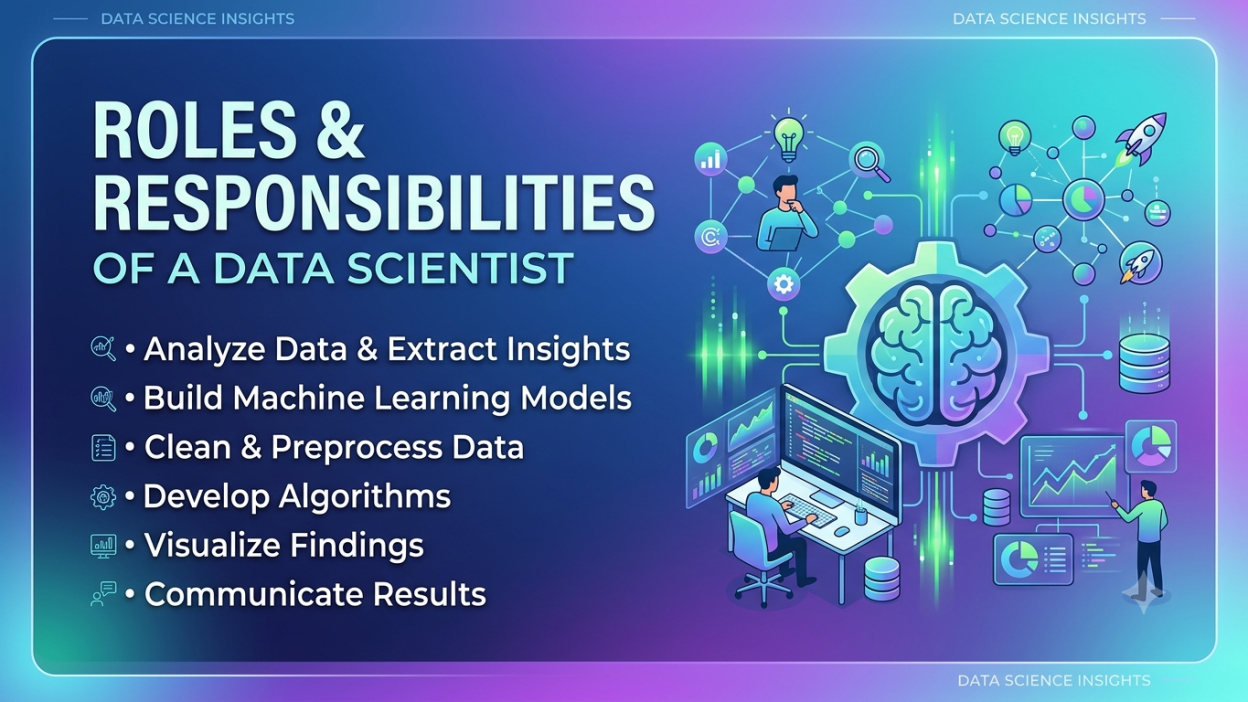
Roles and Responsibilities of a Data Scientist are much more than writing code or building machine learning models. Roles and Responsibilities of a Data Scientist include understanding business problems, collecting data, finding patterns, creating predictive models, and helping organizations make smarter decisions.
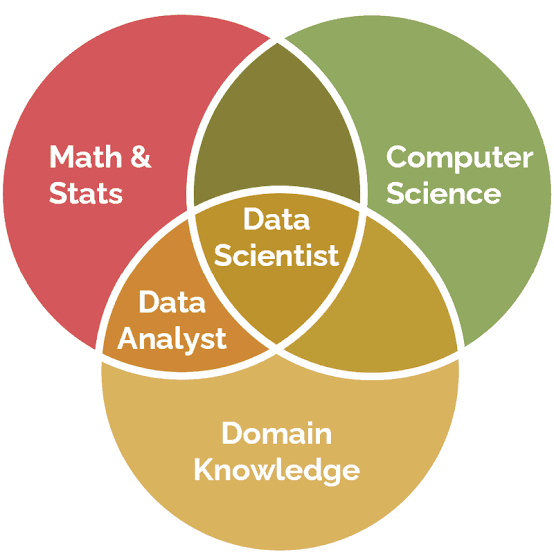
When I first started learning about data science, I honestly believed that a data scientist spent the entire day training AI models. That sounded exciting, but it wasn’t the complete picture. As I explored the field further, I realized something surprising—only a small part of the job involves machine learning. Most of the work revolves around understanding data, asking the right questions, solving business problems, and communicating findings clearly.
If you’re planning a career in data science or simply curious about what happens behind the scenes, this guide will walk you through the roles and responsibilities of a data scientist in the simplest way possible.
📌 Key Highlights
- ✅ Understand the roles and responsibilities of a data scientist
- ✅ Learn what data scientists actually do every day
- ✅ Discover the technical and soft skills required
- ✅ See real-world examples from different industries
- ✅ Find out why businesses rely on data scientists
- ✅ Learn the tools commonly used in data science
- ✅ Explore career opportunities in 2026
What Does a Data Scientist Do? 🤔

The simplest way I explain this to beginners is this:
Think about Netflix recommending your next favorite show or Amazon suggesting products you’ll probably buy. Those recommendations aren’t random. They’re created using data science.
A data scientist studies huge amounts of information and discovers patterns that help businesses make better decisions.
Instead of guessing, companies rely on data.
That’s the real value of the roles and responsibilities of a data scientist.
Why Are the Roles and Responsibilities of a Data Scientist Important?
Every day we generate enormous amounts of data.
- Social media posts
- Online shopping
- Banking transactions
- Healthcare records
- GPS locations
- Mobile apps
Without someone to analyze this information, it’s just meaningless numbers.
That’s why the roles and responsibilities of a data scientist have become one of the most valuable jobs across industries.
15 Important Roles and Responsibilities of a Data Scientist
1. Understanding the Business Problem 🎯
Before touching any data, I would first try to understand the actual problem.
For example:
A company says sales are dropping.
Instead of immediately building an AI model, I would ask:
- Why are sales decreasing?
- Which products are affected?
- Which customers are leaving?
- Is it seasonal?
Finding the right problem is often harder than finding the solution.
2. Collecting Data
Data comes from many sources.
Some common ones include:
- Databases
- Excel sheets
- APIs
- Websites
- IoT devices
- Cloud storage
One of the biggest roles and responsibilities of a data scientist is gathering accurate and relevant data before any analysis begins.
3. Cleaning Data 🧹
Here’s something many beginners don’t expect.
Real-world data is messy.
You’ll often find:
- Missing values
- Duplicate records
- Incorrect entries
- Formatting issues
In my experience, cleaning data can easily take more time than building the machine learning model itself.
Good data leads to good predictions.
4. Exploring the Data
This stage is called Exploratory Data Analysis (EDA).
I usually start asking questions like:
- Which product sells the most?
- Which customer spends more?
- Are there any unusual trends?
- What relationships exist between variables?
Visualization tools help answer these questions quickly.
5. Analyzing Data 📊
Once the data is clean, the next responsibility is analyzing it.
Some common techniques include:
- Statistical analysis
- Trend analysis
- Correlation analysis
- Pattern recognition
This helps uncover valuable business insights.
6. Building Machine Learning Models 🤖
This is probably the responsibility everyone talks about.
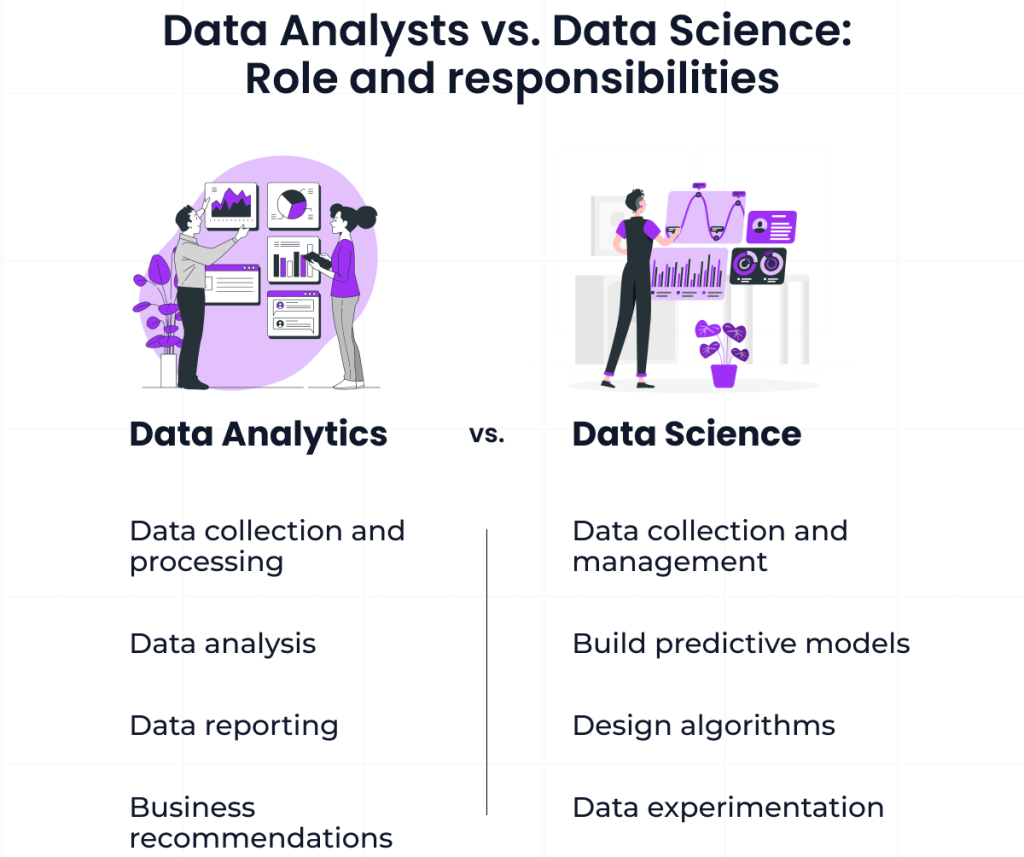
Depending on the problem, a data scientist may build models for:
- Customer prediction
- Sales forecasting
- Fraud detection
- Disease prediction
- Product recommendations
Machine learning is exciting, but remember—it’s only one part of the roles and responsibilities of a data scientist.
7. Evaluating Model Performance
Not every model performs well.
That’s why data scientists evaluate models using metrics such as:
- Accuracy
- Precision
- Recall
- F1 Score
- ROC-AUC
If the results aren’t good enough, the model is improved and tested again.
8. Communicating Results 📢
One lesson I learned early is this:
Building a great model isn’t enough if nobody understands it.
Data scientists must explain findings to:
- Managers
- Business teams
- Clients
- Executives
The goal is to turn technical results into simple business recommendations.
9. Creating Dashboards
Many organizations expect data scientists to build dashboards using tools like:
- Power BI
- Tableau
- Looker
Dashboards allow decision-makers to monitor business performance in real time.
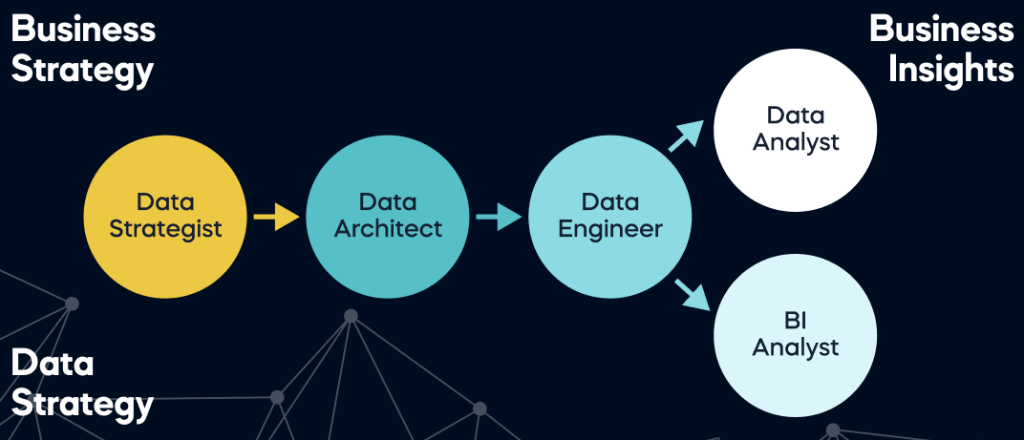
10. Working with Different Teams
The roles and responsibilities of a data scientist involve constant collaboration.
A data scientist regularly works with:
- Software developers
- Data engineers
- Business analysts
- Product managers
- Marketing teams
Data science is truly a team effort.
11. Deploying Machine Learning Models
Once a model performs well, it’s deployed into real applications.
Examples include:
- Recommendation systems
- Chatbots
- Banking applications
- Healthcare software
- E-commerce websites
Deployment allows users to benefit from predictions automatically.
12. Monitoring Model Performance
Data changes over time.
Customer behavior changes.
Markets change.
Even good models become outdated.
That’s why one of the ongoing roles and responsibilities of a data scientist is monitoring performance and retraining models whenever necessary.
13. Ensuring Data Privacy and Ethics 🔒
Today’s businesses handle sensitive information.
Examples include:
- Medical records
- Financial data
- Personal information
Data scientists must follow ethical practices and privacy regulations while working with this information.
Responsible AI is becoming just as important as accurate AI.
14. Learning New Technologies 📚
Technology evolves incredibly fast.
Just when I feel comfortable with one framework, another powerful tool appears.
That’s why continuous learning is a major responsibility.
Some popular tools include:
- Python
- R
- SQL
- TensorFlow
- Scikit-learn
- Apache Spark
- Pandas
- NumPy
Keeping skills updated helps data scientists stay competitive.
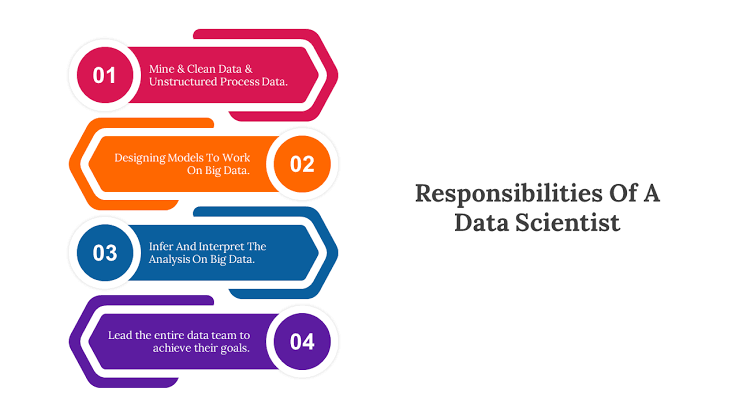
15. Helping Businesses Make Better Decisions 💡
Ultimately, every task leads to one goal:
Helping businesses make smarter decisions using data.
Whether it’s increasing sales, reducing costs, improving customer satisfaction, or preventing fraud, this is the biggest purpose behind the roles and responsibilities of a data scientist.
Real-Life Example of Data Scientist Responsibilities
Imagine an online shopping company notices fewer customers returning after their first purchase.
A data scientist would:
- Collect customer purchase data
- Clean incomplete records
- Analyze shopping behavior
- Build a prediction model
- Identify customers likely to leave
- Recommend personalized offers
- Measure whether retention improves
That’s a practical example of how the roles and responsibilities of a data scientist directly impact business growth.
Skills Needed to Perform the Roles and Responsibilities of a Data Scientist
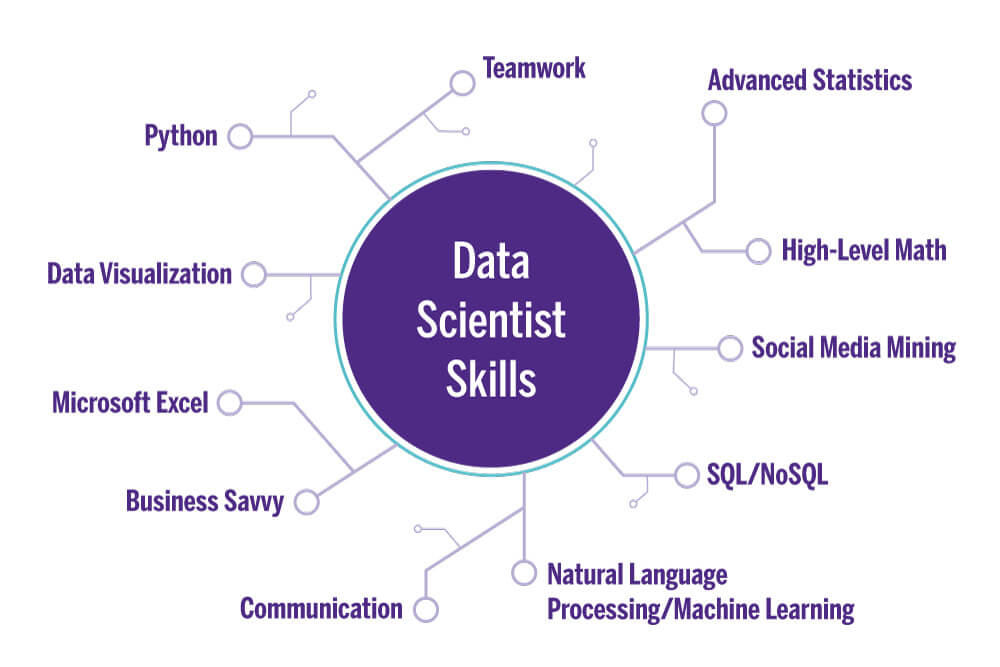
Technical Skills
- Python
- SQL
- Statistics
- Machine Learning
- Data Visualization
- Deep Learning
- Cloud Computing
- Big Data
Soft Skills
- Communication
- Problem-solving
- Critical thinking
- Curiosity
- Teamwork
- Time management
In my opinion, technical skills get you interviews, but communication skills help you grow in your career.
Industries That Hire Data Scientists 🌍
Today, almost every industry depends on data.
Some major industries include:
- Healthcare
- Banking
- Finance
- Insurance
- Retail
- Manufacturing
- E-commerce
- Education
- Telecommunications
- Government
- Logistics
- Entertainment
The demand for professionals who understand the roles and responsibilities of a data scientist continues to grow every year.
Common Tools Used by Data Scientists
Here are some of the most popular tools:
| Purpose | Tools |
|---|---|
| Programming | Python, R |
| Database | SQL, PostgreSQL, MySQL |
| Visualization | Power BI, Tableau |
| Machine Learning | Scikit-learn, TensorFlow, PyTorch |
| Big Data | Hadoop, Spark |
| Notebook | Jupyter Notebook |
Career Opportunities After Learning Data Science
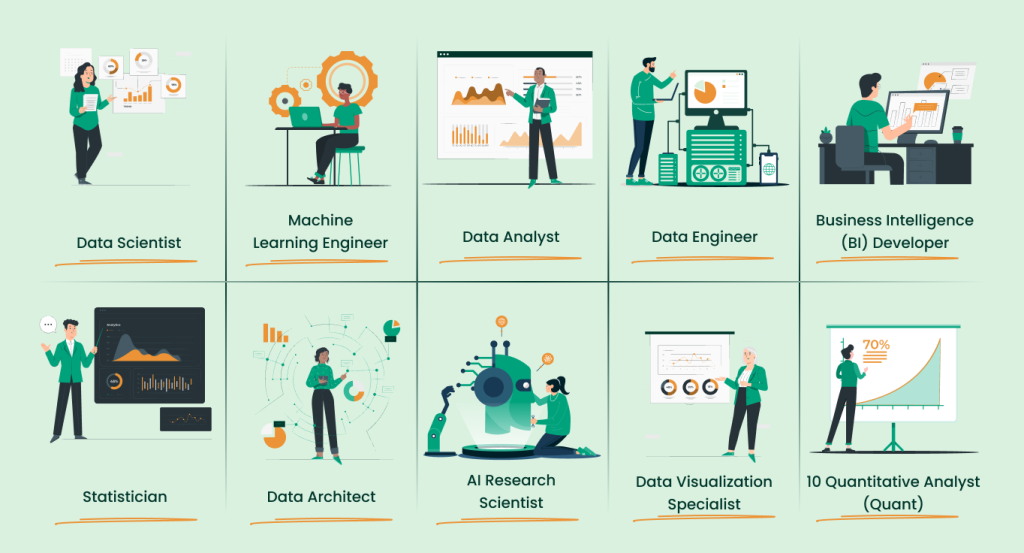
Some common job roles include:
- Data Scientist
- Machine Learning Engineer
- Data Analyst
- AI Engineer
- Business Intelligence Analyst
- Research Scientist
- Data Engineer
Each of these roles builds on many of the roles and responsibilities of a data scientist, although the focus may differ.
Final Thoughts ❤️
When I first heard the term “data scientist,” I imagined someone sitting in front of multiple screens writing complex algorithms all day. But the more I learned, the more I realized the job is really about solving problems with data.
The roles and responsibilities of a data scientist go far beyond coding. They involve asking the right questions, understanding business goals, cleaning messy datasets, building intelligent models, and communicating insights that help organizations make better decisions.
If you’re thinking about entering this field, don’t let the technical terms intimidate you. Start with the basics, practice consistently, work on real projects, and stay curious. Every expert data scientist started exactly where beginners are today.
The future of data science is bright, and there’s never been a better time to begin your journey. 🚀
Frequently Asked Questions (FAQs)
1. What are the main roles and responsibilities of a data scientist?
The main roles and responsibilities of a data scientist include collecting data, cleaning datasets, analyzing information, building machine learning models, creating visualizations, and helping businesses make data-driven decisions.
2. Is coding necessary to become a data scientist?
Yes. Learning Python and SQL is highly recommended because they are widely used for data analysis and machine learning.
3. Which industries hire data scientists?
Healthcare, banking, retail, finance, e-commerce, education, manufacturing, logistics, and many other industries actively hire data scientists.
4. What skills should beginners learn first?
Start with Python, SQL, statistics, Excel, data visualization, and machine learning fundamentals before moving on to advanced topics.
5. Is data science a good career in 2026?
Absolutely. With organizations relying more on AI and analytics, the demand for professionals who understand the roles and responsibilities of a data scientist is expected to remain strong.
Want to learn more ??, Kaashiv Infotech Offers Data Analytics Course, Data Science Course, Cyber Security Course & More Visit Their Website www.kaashivinfotech.com.