The Future of Artificial Intelligence in 2026: 10 Game-Changing Predictions That Will Redefine Technology
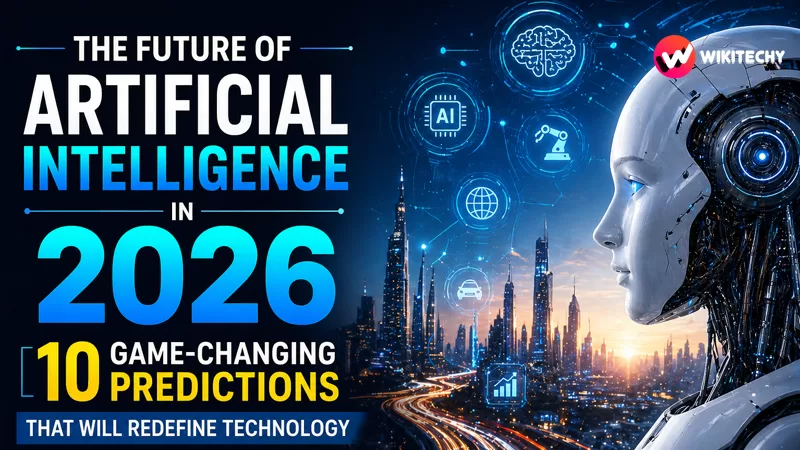
Future of Artificial Intelligence – Artificial Intelligence is evolving at an unprecedented pace. What once seemed like science fiction is now deeply embedded in our daily lives—from virtual assistants and recommendation engines to autonomous systems and intelligent automation. By 2026, AI is no longer just a supporting technology; it is becoming the core driver of innovation across industries.
We are entering an era where AI doesn’t just assist humans—it collaborates, adapts, and in some cases, even acts independently. Businesses are restructuring around AI capabilities, governments are racing to regulate it, and individuals are learning how to coexist with increasingly intelligent systems.
In this expanded guide, we explore 10 transformative Future of Artificial Intelligence predictions for 2026 that will reshape the future of work, society, and technology.
10 transformative Future of Artificial Intelligence predictions for 2026
1. Autonomous AI Agents Will Become Everyday Tools
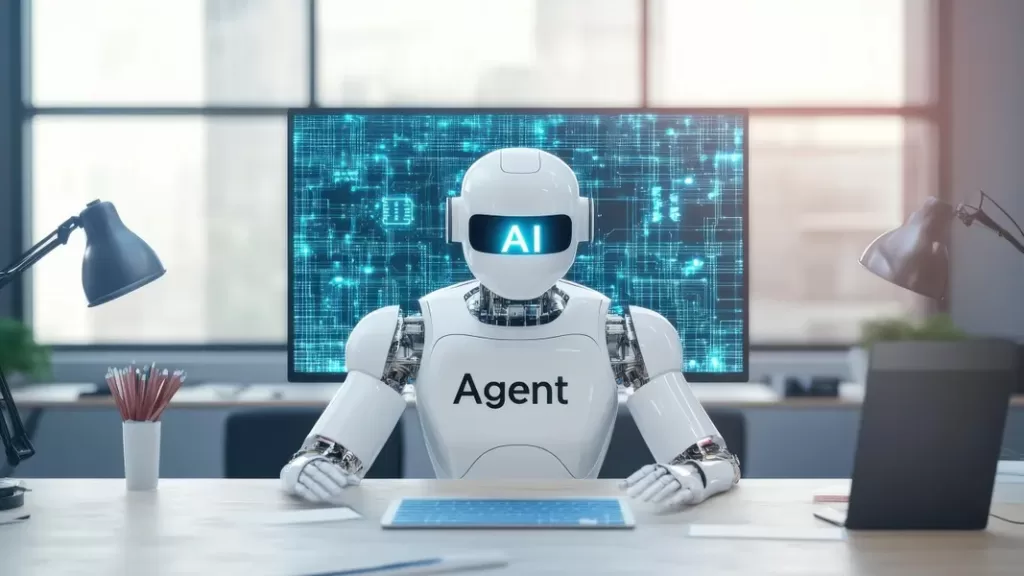
One of the most significant breakthroughs in 2026 is the emergence of autonomous AI agents. Unlike traditional software that requires step-by-step instructions, these agents can understand goals and execute tasks independently.
Imagine assigning a task like “plan my weekly schedule” or “research competitors and summarize findings.” Instead of switching between multiple apps, an AI agent can:
- Gather data
- Analyze information
- Execute actions
- Deliver results
This shift marks the transition from passive tools to active digital workers. Over time, individuals and businesses will rely on multiple AI agents working together as a team.
2. Multi-Modal AI Will Redefine Human-Computer Interaction
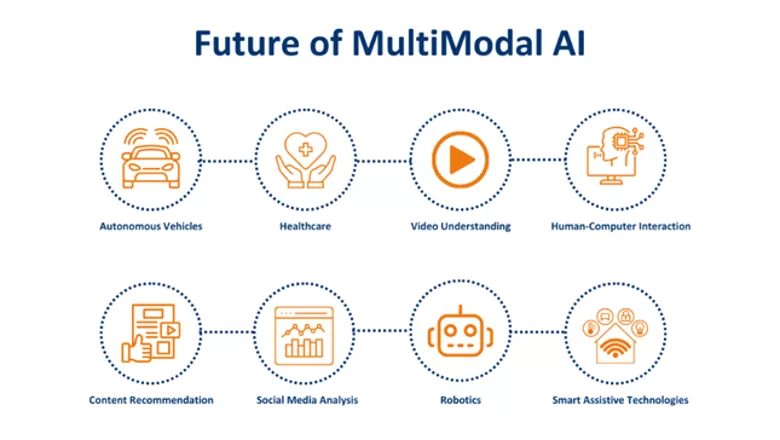
In 2026, AI will no longer be limited to text-based interactions. Multi-modal AI systems—capable of understanding and generating text, images, audio, and video simultaneously—will become the norm.
This evolution enables richer and more intuitive communication:
- You can show an image and ask for analysis
- Speak naturally and receive visual outputs
- Generate complete videos from simple prompts
This convergence brings AI closer to human-like perception, making interactions smoother and more immersive. It also unlocks creative possibilities in content creation, design, and storytelling.
3. The Rise of Smaller, Specialized AI Models
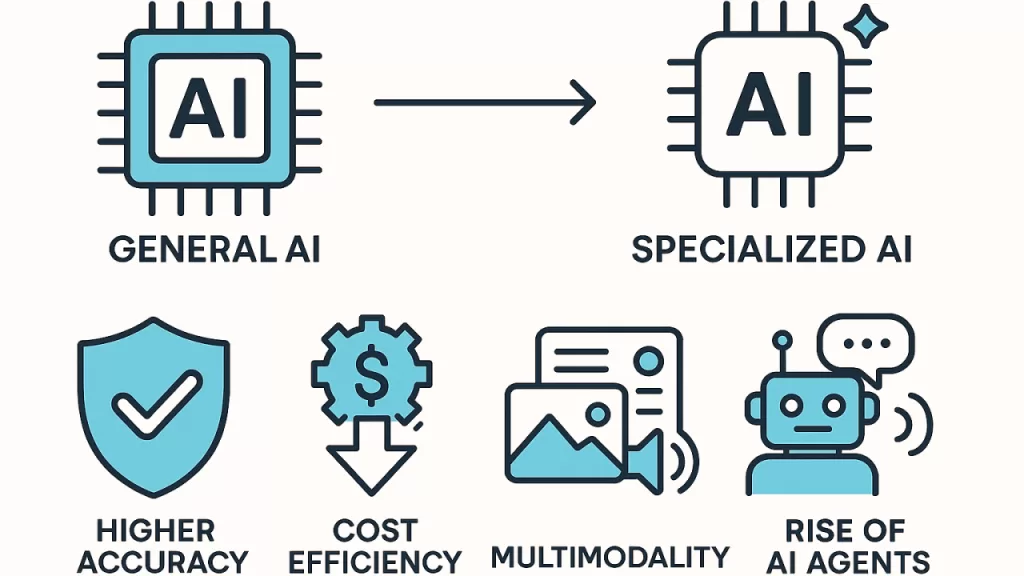
While large-scale AI models have dominated recent years, 2026 will see a strong shift toward compact, efficient, and specialized models.
Organizations are realizing that:
- Not every task requires massive computation
- Smaller models are faster and cheaper
- Local AI improves privacy and security
These lightweight models can run on personal devices, enabling on-device AI that works without constant internet access. This is particularly important for industries dealing with sensitive data, such as finance and healthcare.
4. AI Will Expand into the Physical World
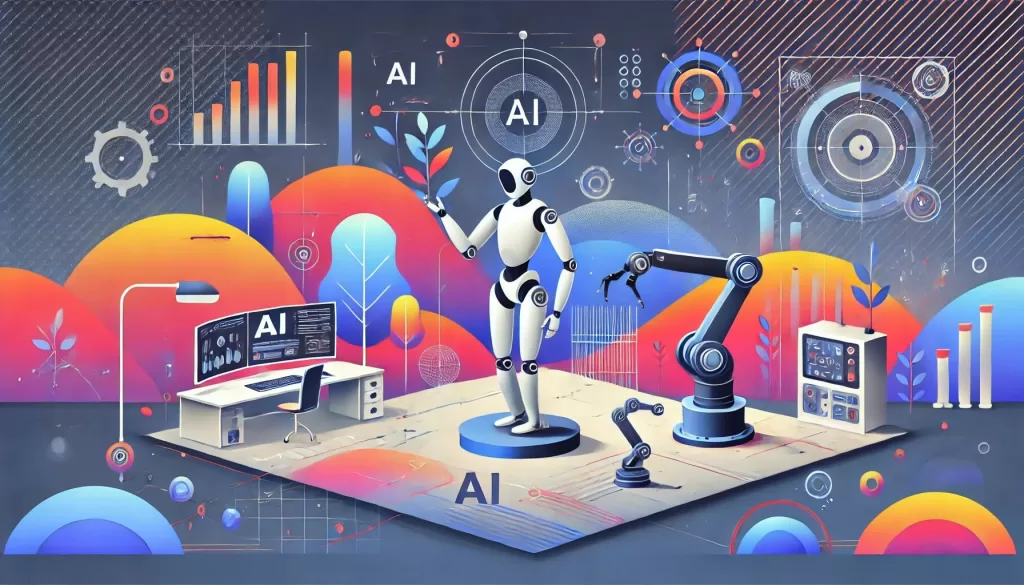
AI is moving beyond digital environments into the physical world through robotics and automation. This trend, often referred to as Physical AI, will accelerate rapidly in 2026.
We will see:
- Intelligent robots in warehouses and logistics
- AI-powered machines in manufacturing
- Autonomous systems in agriculture and delivery
These systems combine AI with sensors and hardware, allowing machines to perceive and interact with their surroundings. The result is increased efficiency, reduced human effort, and new possibilities in industrial operations.
5. The Nature of Work Will Fundamentally Change
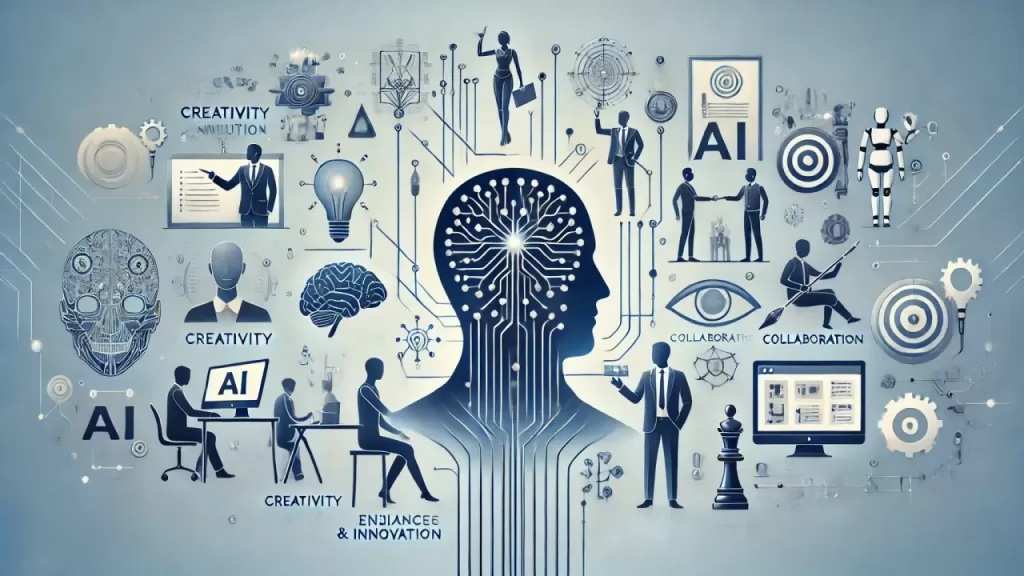
AI’s impact on jobs is one of the most discussed topics—and for good reason. In 2026, AI will not simply replace jobs; it will redefine them.
Routine and repetitive tasks will increasingly be automated, allowing humans to focus on:
- Strategic thinking
- Creativity
- Problem-solving
However, this shift also brings challenges:
- Some entry-level roles may decline
- Workers will need to reskill
- New AI-related roles will emerge
Positions like AI trainers, prompt engineers, and AI system managers will become more common, reflecting a workforce that collaborates with intelligent systems.
6. Hyper-Personalization Will Reach New Levels
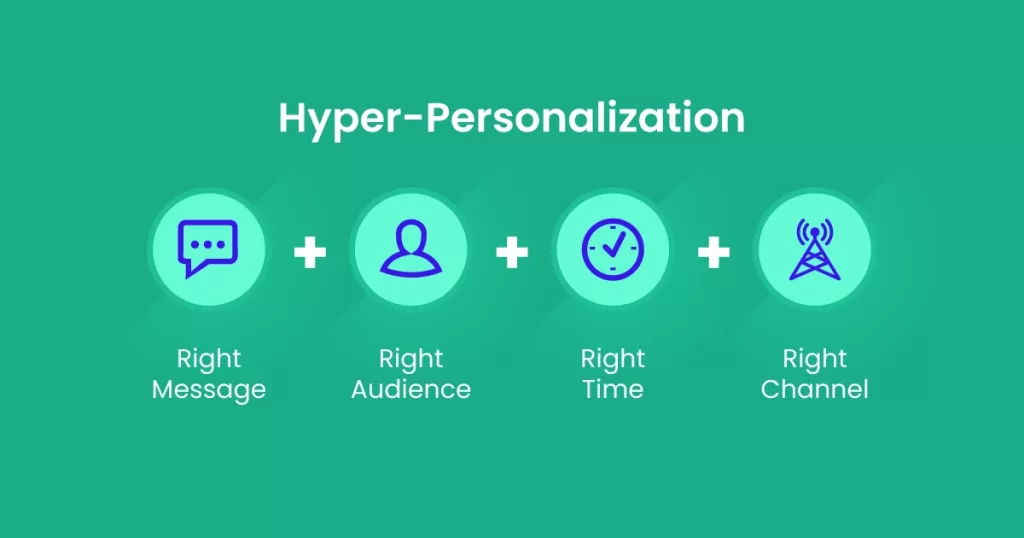
AI-driven personalization will become deeply embedded in everyday experiences. In 2026, digital platforms will understand users at a granular level, offering highly tailored interactions.
This includes:
- Personalized learning paths in education
- Custom healthcare recommendations
- Individualized shopping experiences
Instead of generic services, users will experience AI systems that adapt in real time based on preferences, behavior, and context. This level of personalization will redefine customer expectations across industries.
7. AI Will Become Invisible Yet Essential
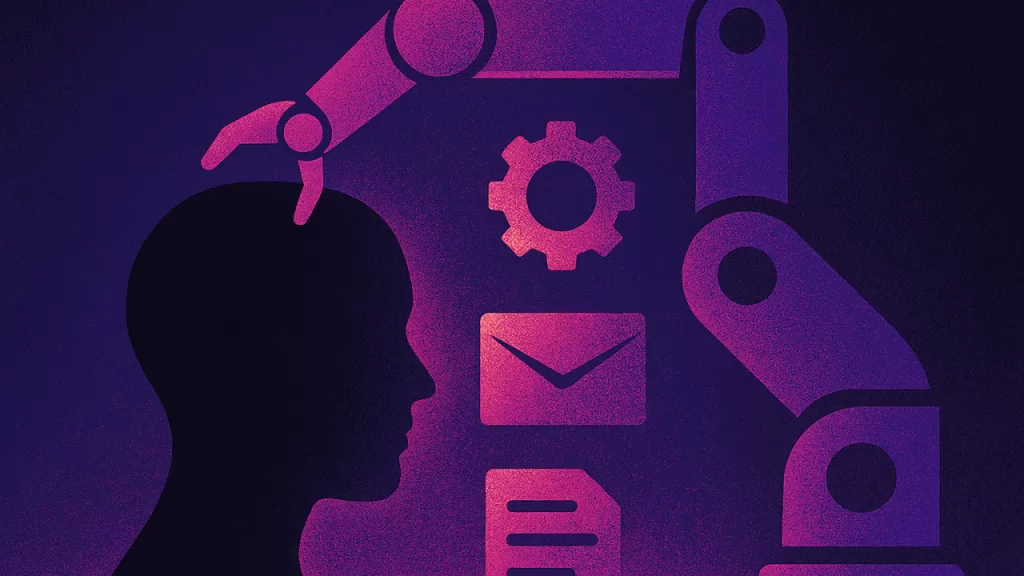
One of the most interesting developments is that AI will gradually become invisible. Rather than being a standalone tool, it will be seamlessly integrated into software, devices, and systems.
You may not even realize when AI is at work:
- Emails being auto-written
- Reports generated instantly
- Smart suggestions appearing everywhere
AI will function as a hidden layer of intelligence powering everyday applications. This shift will make technology more efficient while reducing the need for manual input.
8. Regulation and Ethical AI Will Take Center Stage

As AI systems grow more powerful, concerns around ethics, bias, and misuse are becoming increasingly important. By 2026, regulation will play a major role in shaping AI development.
Governments and organizations will focus on:
- Ensuring transparency in AI decisions
- Protecting user data and privacy
- Preventing harmful or biased outputs
Companies that fail to adopt responsible AI practices may face legal and reputational consequences. Ethical AI will no longer be optional—it will be a requirement.
9. AI Will Revolutionize Healthcare and Education
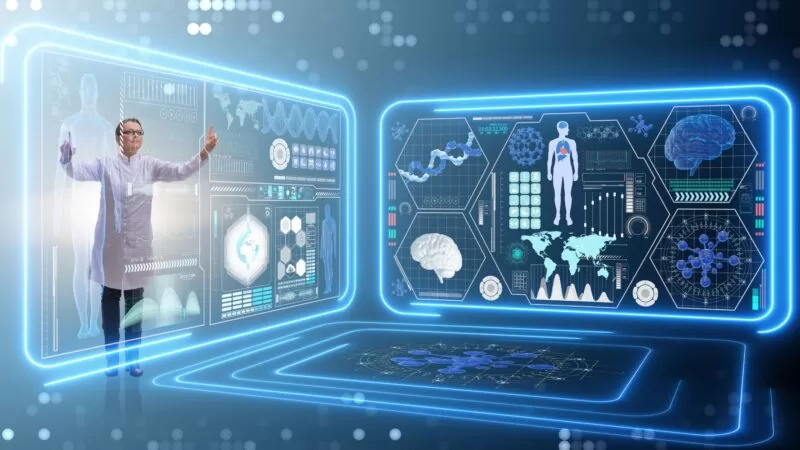
Two sectors that will benefit immensely from AI advancements are healthcare and education.
In Healthcare
AI will enable:
- Early detection of diseases
- Faster and more accurate diagnoses
- Personalized treatment plans
This can significantly improve patient outcomes and reduce costs.
In Education
AI will transform learning through:
- Intelligent tutoring systems
- Adaptive learning platforms
- Automated content creation
Students will receive customized learning experiences, making education more effective and accessible worldwide.
10. The Push Toward Advanced AI (AGI) Will Intensify
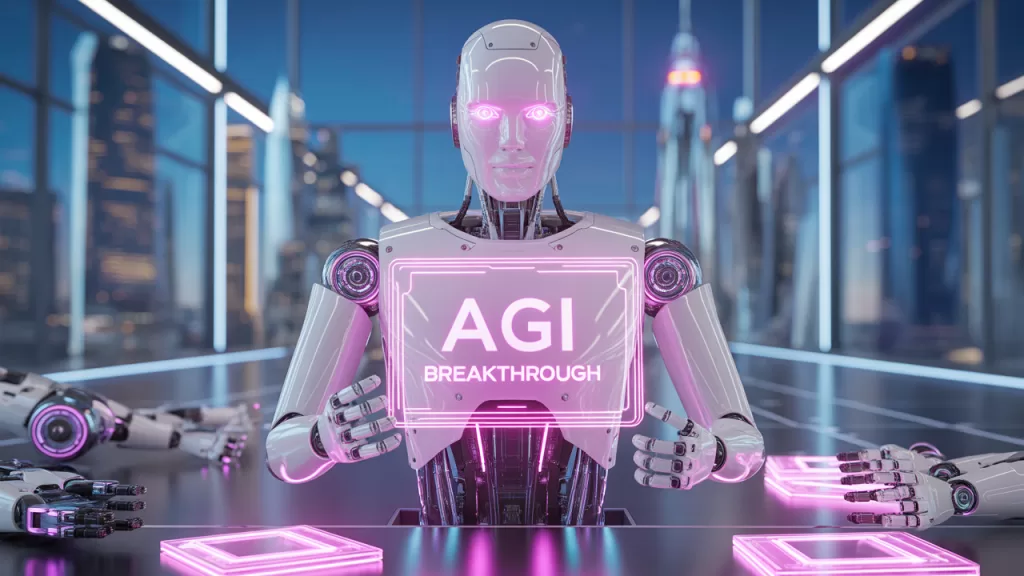
The long-term goal of AI research—Artificial General Intelligence (AGI)—is becoming increasingly relevant. While true AGI may not fully arrive in 2026, significant progress is expected.
AI systems are becoming:
- More capable across multiple domains
- Better at reasoning and decision-making
- Increasingly autonomous
This progress raises important questions about:
- The future of human roles
- Economic structures
- Ethical boundaries
2026 could be remembered as a key milestone in humanity’s journey toward highly advanced AI systems.
Conclusion: A Defining Year for AI
The developments expected in 2026 highlight a clear reality—AI is no longer just a technological trend. It is a foundational force shaping the future.
From autonomous agents and personalized experiences to ethical challenges and workforce transformation, AI is influencing every aspect of life. The organizations and individuals who adapt quickly will be better positioned to thrive in this new landscape.
As we move forward, the focus should not only be on what AI can do, but also on how responsibly and effectively we use it.
Want to Learn More About Python & Artificial Intelligence ???, Kaashiv Infotech Offers Full Stack Python Course, Artificial Intelligence Course, Data Science Course & More Visit Their Website course.kaashivinfotech.com.
Related Reads: