Business Intelligence vs. Business Analytics: Understanding Data-Driven Decision Making in 2026
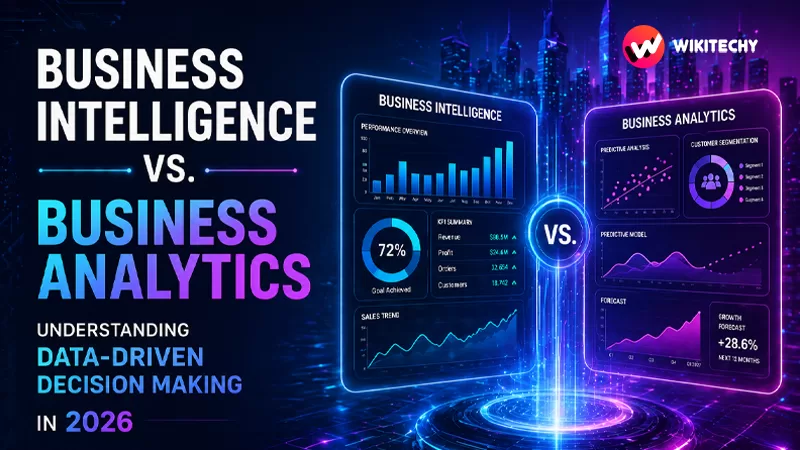
Business Intelligence vs Business Analytics – In the modern digital economy, data has become one of the most valuable assets for organizations. Companies across industries rely on data not just to understand their past performance but to shape their future strategies. This is where Business Intelligence (BI) and Business Analytics (BA) play a crucial role. Although these two terms are often used interchangeably, they represent distinct approaches to working with data. Understanding their differences, capabilities, and applications is essential for anyone stepping into the world of data, technology, or business strategy.
The Growing Importance of Data in Business
Over the past decade, businesses have undergone a massive transformation driven by data. From small startups to global enterprises, organizations collect enormous volumes of data from customer interactions, transactions, social media, and internal systems. However, raw data alone is not valuable unless it is processed and interpreted effectively.
This is where tools and methodologies like Business Intelligence and Business Analytics step in. They help convert raw data into meaningful insights, enabling companies to make informed decisions. While BI focuses more on organizing and visualizing data, BA dives deeper into analyzing and predicting outcomes. Together, they form the backbone of modern decision-making systems.
Business Intelligence vs Business Analytics
What is Business Intelligence?
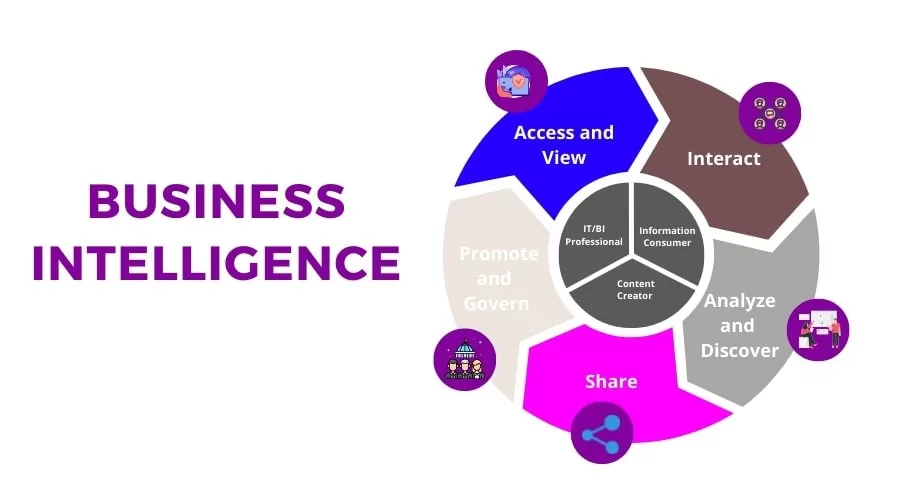
Business Intelligence refers to the process of collecting, storing, and analyzing historical data to understand what has happened within an organization. It is primarily descriptive in nature, meaning it focuses on summarizing past and present data through reports, dashboards, and visualizations.
Organizations use BI tools to track key performance indicators, monitor operations, and generate reports that support day-to-day decision-making. These tools are designed to make data accessible and easy to interpret, even for non-technical users.
Widely used platforms such as Microsoft Power BI and Tableau have made it possible to create interactive dashboards that display real-time insights. For example, a sales manager can instantly view monthly revenue trends or identify underperforming regions without needing deep technical expertise.
What is Business Analytics?
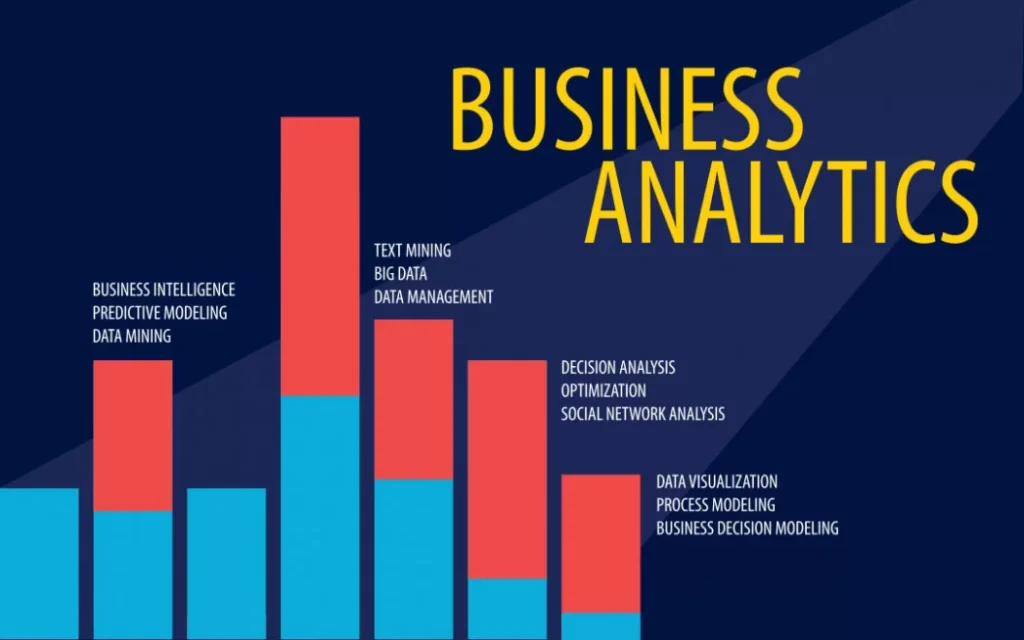
Business Analytics goes beyond simply understanding past data. It focuses on using statistical methods, predictive models, and advanced algorithms to analyze data and forecast future outcomes. In essence, it helps businesses answer not just what happened, but why it happened and what is likely to happen next.
Business Analytics relies heavily on tools and programming languages such as Python and R programming language. These tools allow analysts to build predictive models, perform data mining, and uncover hidden patterns within large datasets.
For instance, an e-commerce company might use analytics to predict customer buying behavior, recommend products, or estimate future demand. This predictive capability enables businesses to move from reactive decision-making to proactive strategy planning.
Core Differences Between Business Intelligence and Business Analytics
The fundamental difference between Business Intelligence and Business Analytics lies in their purpose and approach. Business Intelligence is centered around reporting and visualization, helping organizations understand their current position based on historical data. It answers questions like what happened and what is happening now.
Business Analytics, on the other hand, is more forward-looking. It uses advanced techniques to predict trends, identify opportunities, and recommend actions. While BI is often used by managers for operational decisions, BA is used by data professionals to drive strategic initiatives.
Another important distinction is complexity. BI tools are generally user-friendly and designed for business users, whereas BA requires a deeper understanding of statistics, programming, and data modeling.
How Business Intelligence and Business Analytics Work Together
Despite their differences, Business Intelligence and Business Analytics are not competitors. In fact, they complement each other and are often used together within the same organization. BI provides a solid foundation by organizing and visualizing data, while BA builds on that foundation to generate deeper insights and predictions.
Consider a scenario where a company notices a decline in sales through a BI dashboard. While BI highlights the problem, it does not explain the underlying cause. Business Analytics steps in to analyze customer behavior, market trends, and external factors to identify the reasons behind the decline and suggest possible solutions.
This combination enables businesses to move from simply understanding data to actively using it as a strategic asset.
Real-World Applications Across Industries

The practical applications of Business Intelligence and Business Analytics can be seen across various industries. In retail, BI tools help track inventory levels and sales performance, while BA predicts future demand and customer preferences. In healthcare, BI systems monitor patient records and hospital operations, whereas analytics models help predict disease outbreaks and improve treatment plans.
In the financial sector, BI is used to generate reports and monitor transactions, while Business Analytics plays a critical role in fraud detection and risk management. These examples highlight how both approaches are essential for achieving operational efficiency and strategic growth.
Career Opportunities in BI and BA
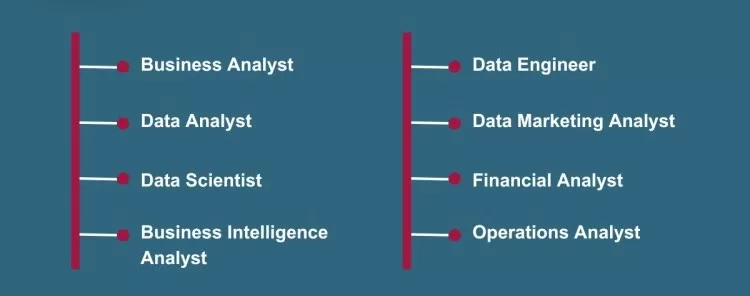
As organizations continue to invest in data-driven technologies, the demand for professionals skilled in Business Intelligence and Business Analytics is growing rapidly. Careers in BI typically focus on reporting, dashboard creation, and data visualization. Roles such as BI Analyst or Data Analyst require a strong understanding of tools and data interpretation.
On the other hand, careers in Business Analytics involve more advanced skills, including statistical analysis, machine learning, and programming. Job roles such as Data Scientist or Business Analyst require the ability to build predictive models and derive actionable insights from complex datasets.
Both fields offer excellent career prospects, and professionals who understand both BI and BA have a significant advantage in the job market.
Conclusion
Business Intelligence and Business Analytics are two pillars of modern data-driven organizations. While Business Intelligence focuses on understanding the past and present through structured data and visualization, Business Analytics looks toward the future by using advanced techniques to predict and optimize outcomes.
Rather than choosing one over the other, organizations should aim to integrate both approaches. By doing so, they can not only understand what is happening within their business but also anticipate what lies ahead and make smarter, more strategic decisions.
In 2026 and beyond, the combination of BI and BA will continue to shape the way businesses operate, compete, and innovate in an increasingly data-centric world.
Want to learn more ??, Kaashiv Infotech Offers Data Analytics Course, Data Science Course, Cyber Security Course & More Visit Their Website www.kaashivinfotech.com.
Related Reads: