Top 10 Best Robotic Process Automation (RPA) Tools in 2026

Robotic Process Automation (RPA) has become one of the most important technologies driving business efficiency in 2026. What began as simple automation for repetitive tasks has now evolved into a powerful ecosystem that combines automation with Artificial Intelligence, analytics, and cloud computing.
Today’s RPA tools are capable of handling complex workflows, understanding unstructured data, and even making intelligent decisions. Businesses across industries such as banking, healthcare, retail, and IT are using RPA to streamline operations, reduce costs, and improve productivity.
With so many tools available, selecting the right RPA platform can be challenging. This guide will help you understand the top 10 RPA tools in 2026, along with their strengths, use cases, and practical applications.
What is Robotic Process Automation?
Robotic Process Automation refers to software bots that replicate human interactions with digital systems. These bots can log into applications, extract and process data, perform calculations, and complete tasks without human intervention.
Modern RPA goes beyond rule-based automation. It integrates with AI technologies such as machine learning and natural language processing, enabling systems to handle semi-structured and unstructured data efficiently. This shift has led to the rise of hyperautomation, where entire business processes are automated end-to-end.
Key Features to Look for in RPA Tools
Before diving into the tools, it’s important to understand what makes a good RPA platform.
A strong RPA tool should be easy to use, scalable, and capable of integrating with existing systems. It should also support AI-driven automation and provide secure environments for handling sensitive data.
Some essential features include:
- Low-code or no-code development capabilities
- AI integration for intelligent automation
- Cloud support for scalability
- Strong security and compliance features
- Easy integration with enterprise systems
Top 10 Best RPA Tools in 2026
1. UiPath – The Industry Leader

UiPath continues to dominate the RPA market in 2026. It offers a comprehensive automation platform that caters to both beginners and large enterprises.
The platform is known for its intuitive drag-and-drop interface, making it easy for users to design automation workflows without deep technical knowledge. At the same time, it provides advanced features such as AI integration and process mining for enterprise users.
UiPath is widely used in industries like finance, healthcare, and IT services because of its flexibility and scalability. It supports both cloud and on-premise deployments, making it suitable for different business environments.
2. Automation Anywhere – Cloud-Native Powerhouse
Automation Anywhere has positioned itself as a cloud-first RPA platform. Unlike traditional tools, it operates primarily through a web-based interface, allowing users to build and manage bots from anywhere.
Its strength lies in scalability and analytics. Businesses can deploy thousands of bots and monitor performance through built-in analytics tools. The platform also includes AI-powered document processing, which makes it highly effective for handling invoices and forms.
This tool is particularly useful for organizations that are moving toward cloud infrastructure and want a flexible automation solution.
3. SS&C Blue Prism – Enterprise-Grade Security
Blue Prism is one of the pioneers of RPA and remains a strong choice for enterprises that require high levels of security and governance.
The platform focuses on centralized control, allowing organizations to manage all bots from a single environment. This makes it ideal for industries with strict regulatory requirements, such as banking and insurance.
While it may not be as beginner-friendly as some competitors, its reliability and compliance features make it a preferred choice for large-scale enterprise deployments.
4. Microsoft Power Automate – Best for Microsoft Users
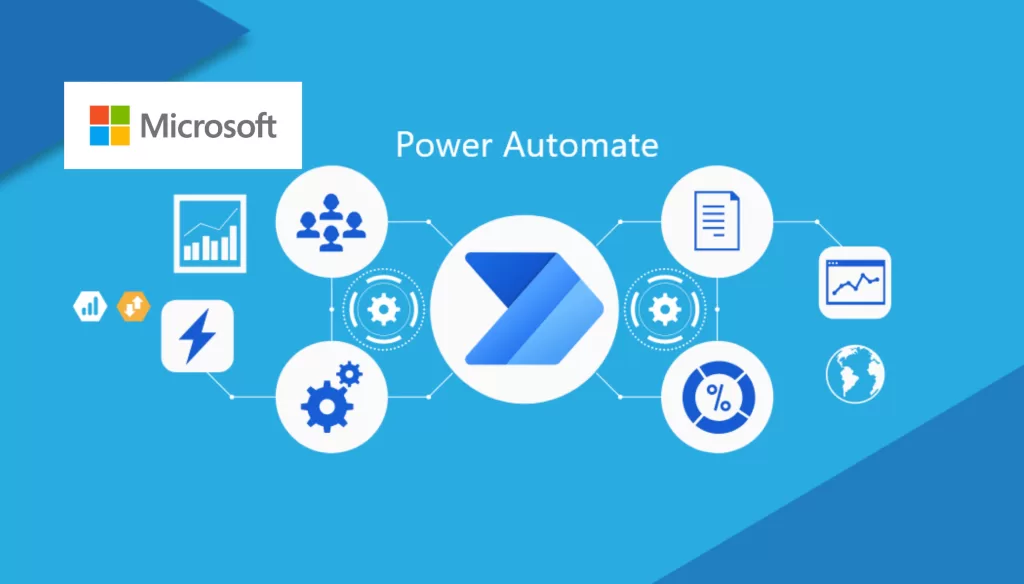
Microsoft Power Automate is deeply integrated with the Microsoft ecosystem, making it a natural choice for organizations already using tools like Office 365, Azure, and Teams.
It offers a low-code environment that allows users to automate workflows quickly. From automating email responses to integrating business applications, Power Automate simplifies everyday tasks.
Its affordability and ease of use make it especially popular among small and medium-sized businesses.
5. WorkFusion – AI-Focused Automation

WorkFusion stands out for its strong focus on AI-driven automation. It is designed to handle complex tasks that involve unstructured data, such as document processing and compliance checks.
The platform comes with pre-trained AI models, reducing the need for manual configuration. This makes it particularly useful in industries like banking and finance, where automation of compliance processes is critical.
6. SAP Build Process Automation
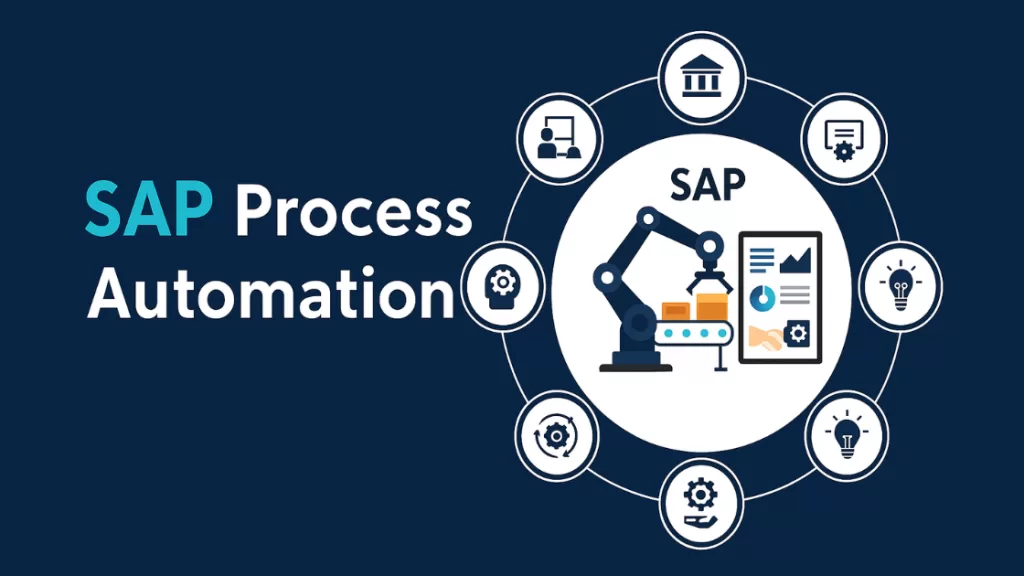
SAP Build Process Automation is tailored for businesses that rely heavily on SAP systems. It integrates seamlessly with SAP applications, enabling smooth automation of enterprise workflows.
The platform offers low-code tools and workflow management features, making it easier to automate processes such as procurement, finance, and supply chain operations.
For SAP-centric organizations, this tool provides unmatched efficiency.
7. IBM Robotic Process Automation
IBM RPA combines automation with the power of IBM’s AI platform, Watson. This allows businesses to build intelligent bots that can understand data and make decisions.
The platform is designed for large enterprises and offers strong security and scalability. It is particularly effective for organizations that require advanced AI capabilities in their automation processes.
8. Pega Platform (Pega RPA)
Pega is not just an RPA tool—it is a complete business process management platform. It combines automation with AI-driven decision-making, enabling end-to-end workflow automation.
This makes it ideal for customer service operations, where automation needs to adapt dynamically to user interactions.
Although it requires a higher investment, Pega delivers powerful capabilities for organizations looking for a unified automation platform.
9. Robocorp – Developer-Friendly RPA

Robocorp takes a different approach by offering an open-source, Python-based RPA platform. It is designed for developers who prefer coding over visual interfaces.
The platform provides flexibility and customization, allowing users to build highly tailored automation solutions. It also offers cloud orchestration for managing bots at scale.
Robocorp is a great choice for startups and tech teams looking for cost-effective automation.
10. Nintex RPA – Process Optimization Specialist

Nintex focuses on both process discovery and automation. It helps organizations identify inefficiencies in workflows and then automate them.
The platform is easy to use and integrates well with existing systems. It is particularly useful for businesses that want to improve operational efficiency without investing in complex enterprise tools.
Comparison of RPA Tools
Each tool has its strengths, and the best choice depends on your business needs.
- UiPath is best for overall flexibility and scalability
- Automation Anywhere excels in cloud-based automation
- Blue Prism is ideal for security-focused enterprises
- Power Automate works best within Microsoft environments
- Robocorp is perfect for developers
Latest Trends in RPA (2026)
The RPA landscape continues to evolve rapidly. One of the biggest trends is hyperautomation, where businesses automate entire workflows instead of individual tasks.
Another major development is the integration of AI, which allows bots to understand context, process language, and make decisions. This is transforming RPA from a rule-based system into an intelligent automation solution.
Cloud adoption is also increasing, with most modern tools offering cloud-native platforms that provide scalability and flexibility.
Benefits of Using RPA Tools
RPA offers several advantages that make it a valuable investment for businesses:
- It significantly reduces operational costs
- It improves accuracy by eliminating human errors
- It increases productivity by automating repetitive tasks
- It allows employees to focus on strategic work
Challenges of RPA
Despite its benefits, RPA also comes with challenges. Organizations may face high initial costs and require proper planning to implement automation effectively.
Additionally, maintaining bots and updating workflows can be complex, especially in large-scale deployments. Businesses must also invest in training their workforce to adapt to automation technologies.
How to Choose the Right RPA Tool
Choosing the right tool depends on several factors, including business size, technical expertise, and existing infrastructure.
If you are a large enterprise, tools like UiPath, Blue Prism, or IBM RPA may be suitable. For smaller businesses, Power Automate offers a more affordable and user-friendly option.
Developers may prefer Robocorp for its flexibility, while SAP users should consider SAP Build Process Automation for seamless integration.
Conclusion
Robotic Process Automation in 2026 is more powerful than ever. With the integration of AI and cloud technologies, RPA tools are enabling businesses to achieve new levels of efficiency and innovation.
Whether you are a startup or an enterprise, adopting the right RPA tool can transform your operations and give you a competitive edge in the digital era.
If You Want to study more about testing, kaashiv Infotech Offers, Software Testing Course, or any other course & Internship visit www.kaashivinfotech.com.
Related Reads: