

DevOps in 2026 is not just about tools—it’s about building reliable, scalable, and automated systems that can handle real-world workloads. Companies expect engineers to understand the full lifecycle: from writing code to deploying, monitoring, and securing it.
If you want to stand out in interviews or freelance work, theory alone won’t help. What really matters is hands-on projects that demonstrate real DevOps thinking.
In this detailed guide, you’ll explore 10 powerful DevOps project ideas, each explained in depth so you can actually build them and showcase them in your portfolio.
10 Best DevOps Project Ideas
1. Building a Complete CI/CD Pipeline with Jenkins and Docker
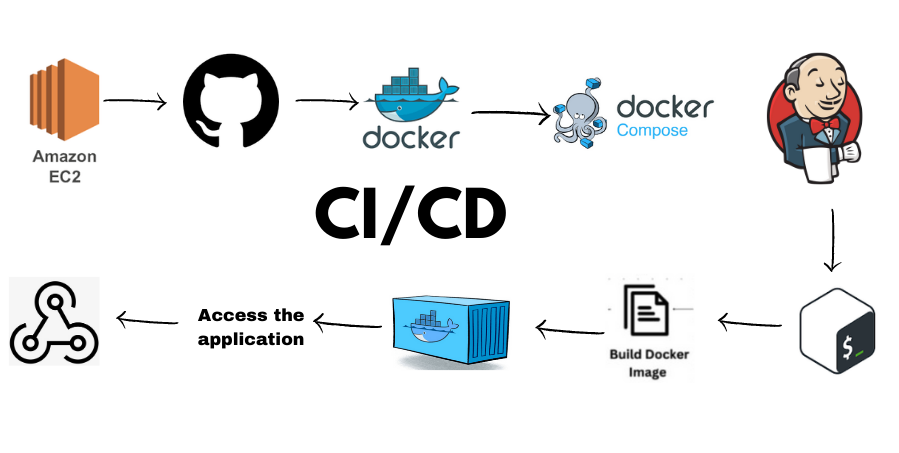
A Continuous Integration and Continuous Deployment (CI/CD) pipeline is the backbone of modern software delivery. In this project, your goal is to automate the entire journey of code—from a developer pushing it to a repository all the way to deployment in production.
You begin by connecting a Git-based repository to Jenkins. Every time a developer pushes code, Jenkins automatically triggers a pipeline. This pipeline builds the application, runs tests, and packages it into a Docker container. The container is then deployed to a staging or production environment.
As you expand this project, you can introduce smarter capabilities. For example, you can configure pipelines that fail if tests do not pass, ensuring only stable code moves forward. You can also implement rollback strategies so that if deployment fails, the system automatically returns to a previous stable version.
By the end of this project, you’ll understand how companies achieve fast, reliable, and repeatable software releases.
2. Deploying Microservices with Kubernetes
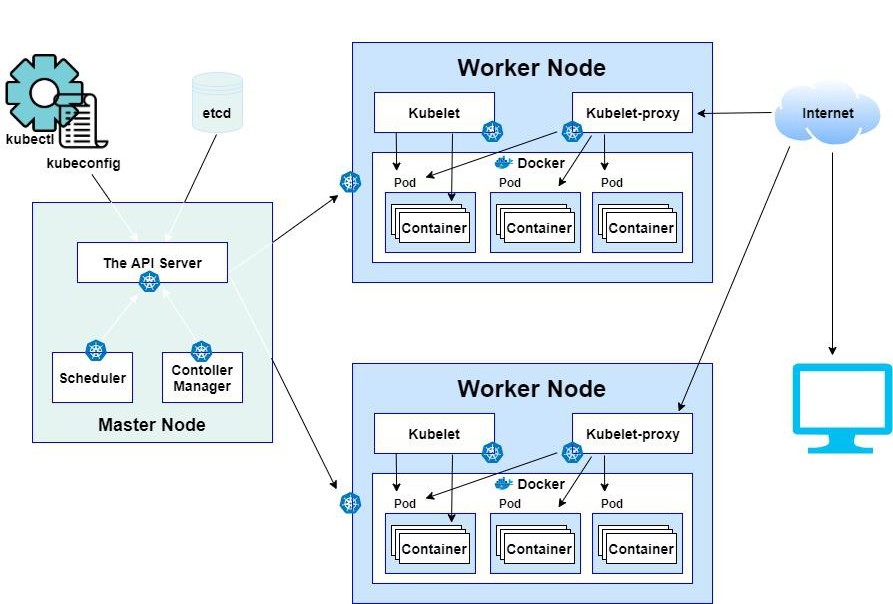
Modern applications are no longer built as monoliths. Instead, they are split into microservices, each handling a specific function. Managing these services manually is complex, which is where Kubernetes comes in.
In this project, you design a microservices-based application and deploy it using Kubernetes. Each service runs in its own container, and Kubernetes manages how these containers communicate, scale, and recover from failures.
You’ll define deployments, services, and ingress configurations. Kubernetes ensures that even if a container crashes, it automatically restarts. You can also scale your application up or down based on traffic.
To make your project more realistic, you can simulate traffic spikes and observe how Kubernetes handles scaling. This gives you a deep understanding of high-availability systems used by large-scale applications.
3. Infrastructure Automation Using Terraform
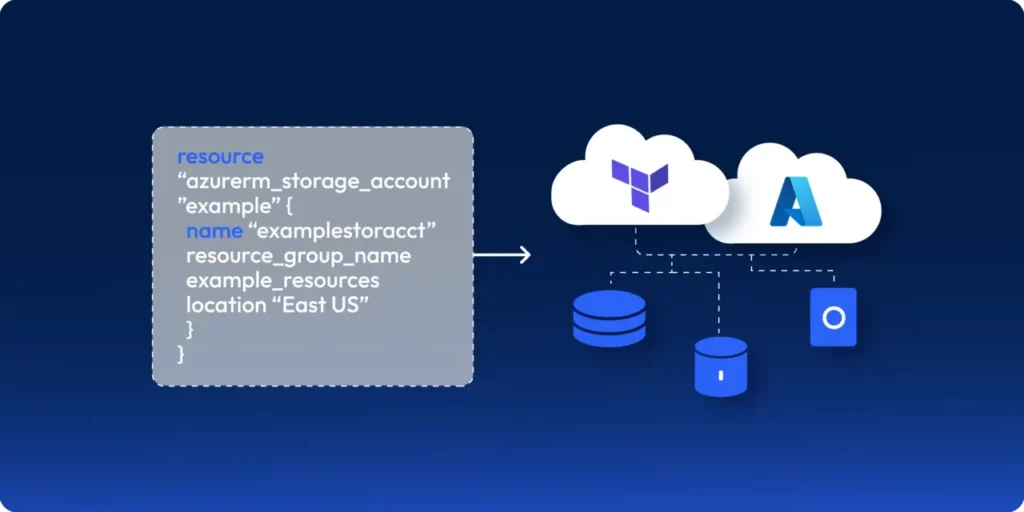
Infrastructure as Code (IaC) is one of the most important DevOps practices. Instead of manually creating servers and networks, you define everything in code.
In this project, you use Terraform to build a complete cloud infrastructure. This could include virtual machines, databases, load balancers, and networking components. The beauty of Terraform is that once written, your configuration can be reused anytime to recreate the same setup.
You’ll learn how to write modular and reusable Terraform scripts, making your infrastructure scalable and easy to maintain. If something breaks, you can simply reapply your configuration instead of fixing things manually.
This project demonstrates your ability to manage infrastructure in a modern, automated, and production-ready way.
4. Monitoring and Observability with Prometheus and Grafana
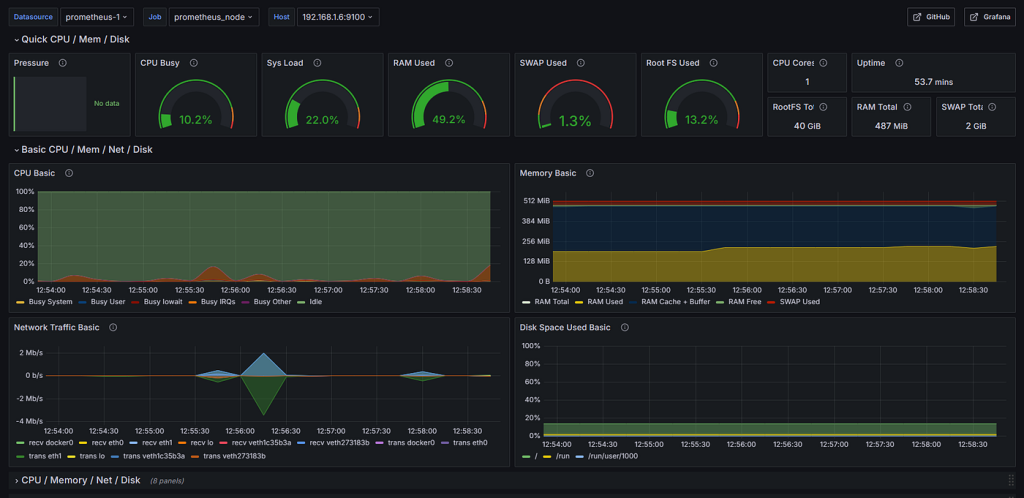
Deploying an application is only half the job. The real challenge is ensuring that it continues to perform well. This is where monitoring and observability come into play.
In this project, you set up a monitoring system using Prometheus to collect metrics and Grafana to visualize them. You track system performance indicators such as CPU usage, memory consumption, response time, and request rates.
Over time, you can configure alerts that notify you when something goes wrong. For example, if CPU usage spikes unexpectedly or response times increase, you’ll receive an alert and can investigate immediately.
By working on this project, you’ll learn how to maintain system health, reliability, and performance in real-world environments.
5. Configuration Management with Ansible
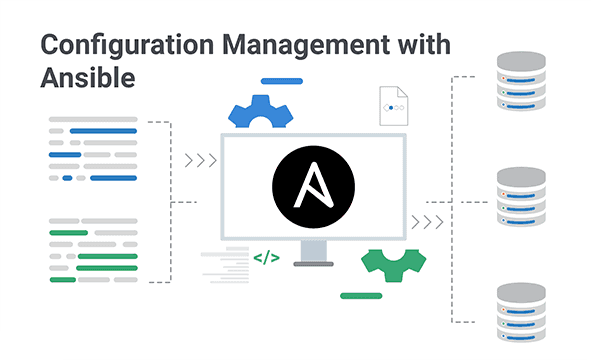
Managing multiple servers manually is time-consuming and error-prone. Configuration management tools like Ansible solve this problem by automating setup and maintenance tasks.
In this project, you create Ansible playbooks to configure servers automatically. These playbooks define how systems should be set up, including installing software, updating configurations, and deploying applications.
The real advantage of Ansible is consistency. No matter how many servers you manage, they all follow the same configuration rules. This eliminates the “it works on my machine” problem.
By completing this project, you’ll gain experience in maintaining uniform environments across large systems.
6. Implementing a DevSecOps Pipeline
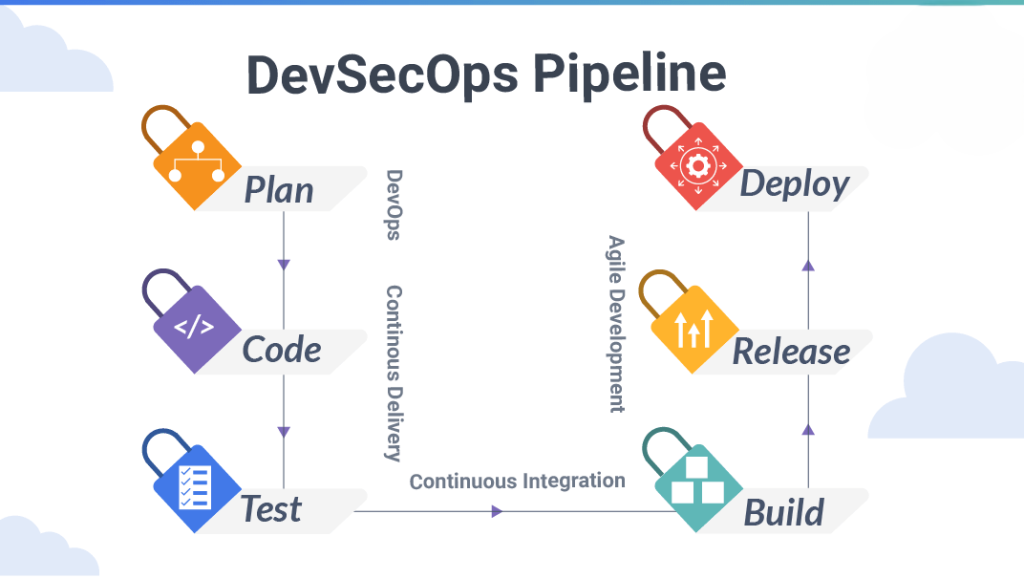
Security is no longer something added at the end of development. In modern workflows, it is integrated directly into the pipeline—this is called DevSecOps.
In this project, you enhance a CI/CD pipeline by adding security checks. This includes scanning code for vulnerabilities, checking dependencies for known issues, and ensuring secrets are not exposed.
Instead of waiting until production to fix problems, your pipeline catches issues early. This reduces risk and improves overall software quality.
This project is highly valuable because companies are actively looking for engineers who can build secure and compliant systems from the start.
7. Cloud-Native Application Deployment on AWS

Cloud computing is at the core of DevOps. In this project, you build and deploy a cloud-native application using AWS services.
You can start with a simple web application hosted on EC2, store static assets in S3, and use a managed database like RDS. As you improve your project, you can introduce load balancing and auto-scaling to handle increasing traffic.
You may also explore serverless options using AWS Lambda, where you don’t manage servers at all. This helps you understand different architectural approaches used in modern applications.
This project shows your ability to design and deploy applications in a real cloud environment, which is a critical skill in 2026.
8. Centralized Logging with ELK Stack
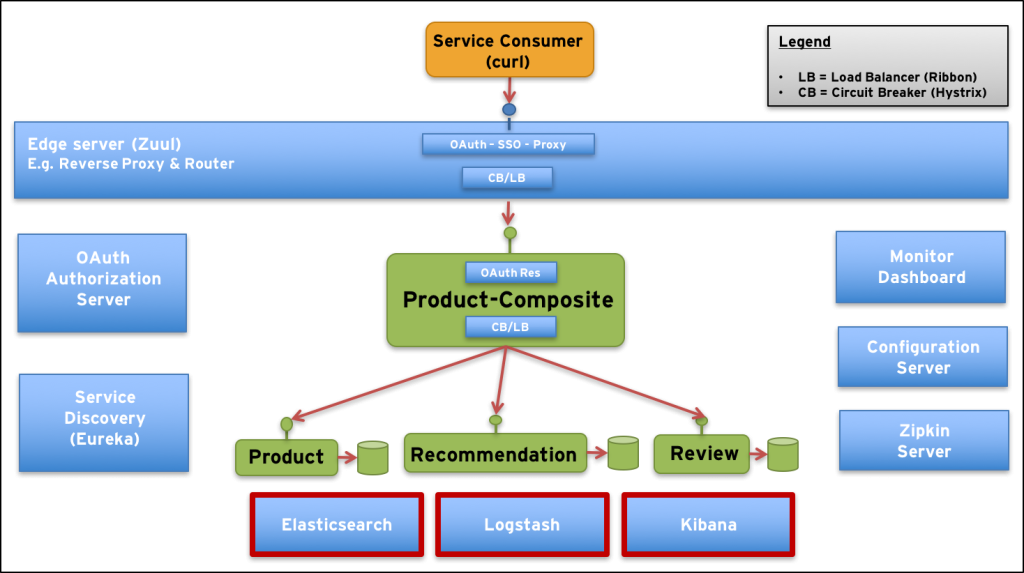
When systems grow, logs become scattered across multiple services and servers. This makes debugging difficult. Centralized logging solves this issue.
In this project, you use the ELK stack—Elasticsearch, Logstash, and Kibana—to collect, process, and visualize logs. Logs from different parts of your system are sent to a central location where they can be searched and analyzed.
This helps you identify patterns, detect anomalies, and troubleshoot issues faster. For example, if an application crashes, you can trace the problem using logs from multiple services.
By completing this project, you’ll understand how to handle log management in distributed systems.
9. GitOps Workflow with ArgoCD
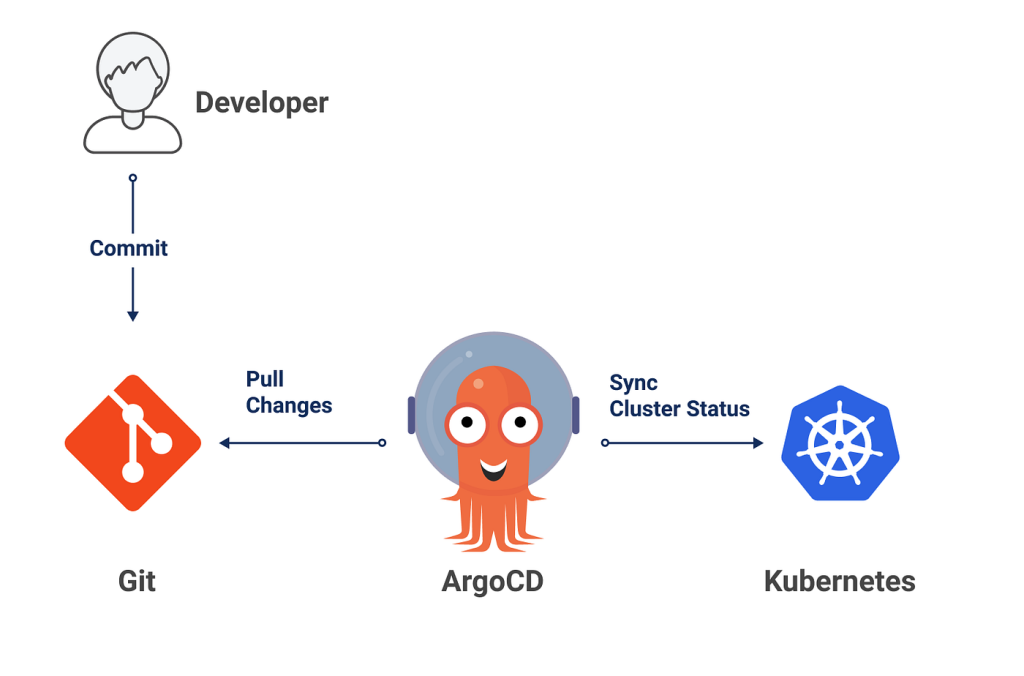
GitOps is a modern approach where Git becomes the single source of truth for infrastructure and deployments.
In this project, you use ArgoCD to automate deployments based on changes in a Git repository. Instead of manually deploying applications, you simply update configuration files in Git. ArgoCD detects these changes and applies them to your Kubernetes cluster.
This approach improves transparency, version control, and rollback capabilities. Every change is tracked, and you can easily revert to a previous state if needed.
This project reflects cutting-edge DevOps practices that are rapidly being adopted in the industry.
10. Serverless CI/CD Pipeline
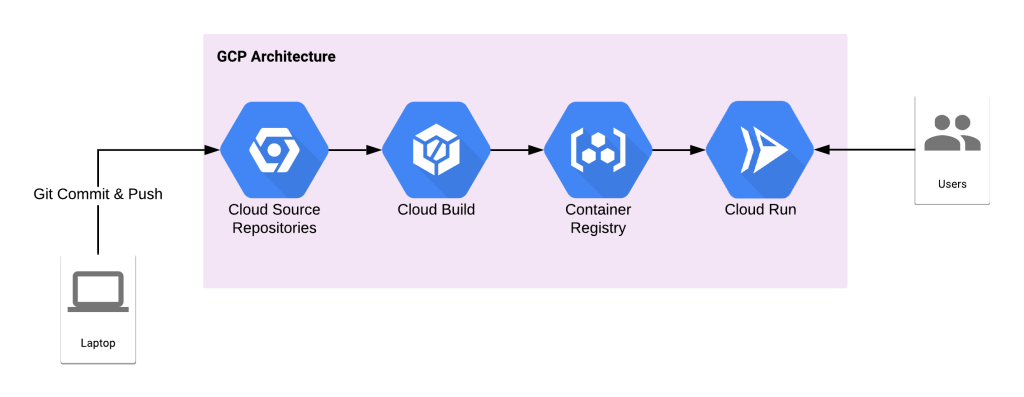
Serverless computing is changing how applications are built and deployed. In this project, you create a CI/CD pipeline that runs entirely on serverless services.
Instead of managing servers, you use cloud services like AWS Lambda and CodePipeline to automate builds and deployments. This reduces operational overhead and allows your system to scale automatically.
You can design workflows where events trigger deployments, making the system highly responsive and efficient.
This project prepares you for the future of DevOps, where infrastructure management becomes minimal and automation takes center stage.
Final Thoughts
DevOps is best learned by doing. These projects are not just exercises—they are real-world simulations of what engineers do in production environments.
Rather than trying to complete all ten, focus on a few and go deep. Document your work, explain your architecture, and publish your projects on GitHub. Employers value candidates who can demonstrate practical experience over those who only understand theory.
If you can confidently build even three of these projects, you’ll already be ahead of most beginners in the DevOps field.
if you want to level up? Enroll in a hands-on DevOps course in Chennai that includes software development projects. It’s the best of both worlds.