
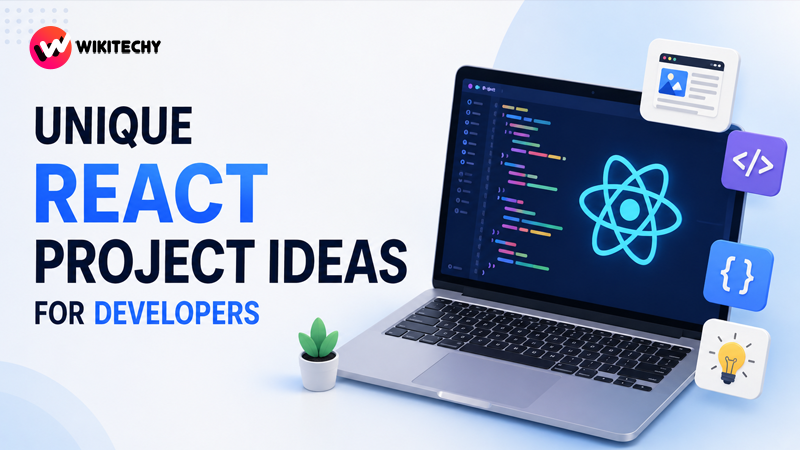
React has evolved far beyond a simple UI library. In 2026, it sits at the center of modern web development—powering complex dashboards, AI tools, real-time apps, and even immersive user experiences. Because of this, expectations have also grown. Recruiters and companies are no longer impressed by basic CRUD apps. They want to see innovation, depth, and real-world relevance.
If you want to stand out, your React projects should not just “work”—they should solve meaningful problems, demonstrate advanced concepts, and feel like real products.
This guide explores unique, high-impact React project ideas, explained in detail so you can turn them into portfolio-worthy applications.
Why You Need Unique React Projects in 2026
Today’s developer ecosystem is crowded. Thousands of students build identical projects—task managers, blog apps, and weather dashboards. While these are good for learning, they don’t help you stand out anymore.
A strong React project in 2026 should:
- Reflect real-world usage
- Show architecture thinking, not just components
- Include modern tools like APIs, AI, or real-time data
- Deliver a clean, intuitive user experience
The difference between an average developer and a standout one is simple:
👉 Depth + originality
1. AI-Powered Code Reviewer
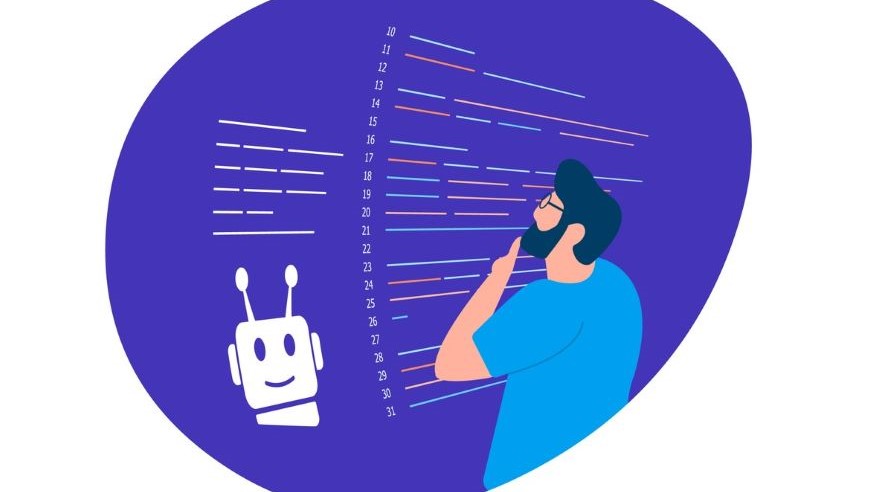
Imagine building a web app where developers can paste their code and receive intelligent suggestions instantly. This is not just another editor—it’s an assistant that evaluates code quality, identifies bugs, and suggests improvements.
This project allows you to explore how React can be combined with AI APIs to create developer tools. You can design a smooth interface using a code editor like Monaco, integrate an AI service to analyze code, and present structured feedback in a readable format.
What makes this project powerful is its relevance. AI-assisted development is growing rapidly, and tools like this show that you understand the future of software engineering. If you add features like version comparison, scoring systems, or optimization tips, it becomes even more impressive.
2. Real-Time Disaster Alert Dashboard
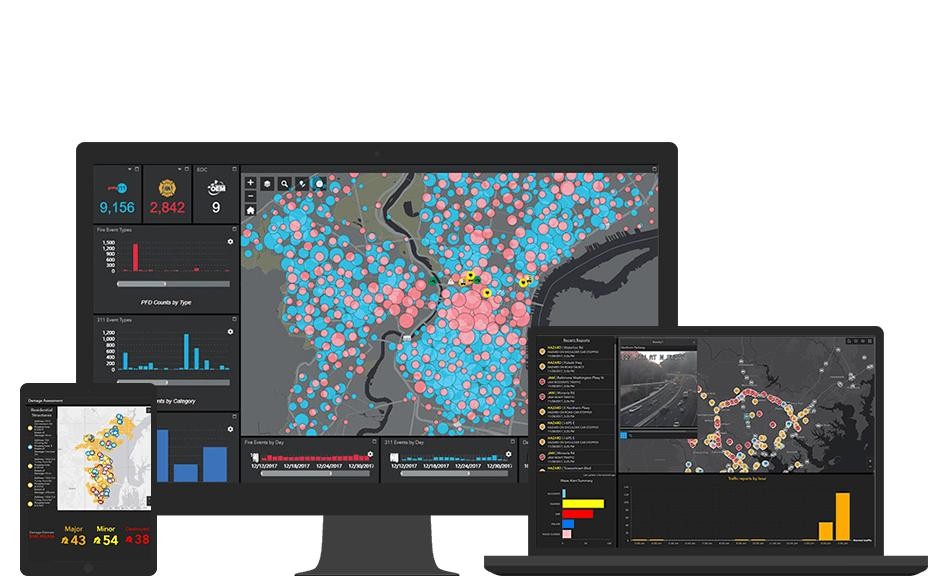
This project focuses on building something meaningful—a system that visualizes real-world disasters as they happen. Using APIs that provide live data on earthquakes, floods, or storms, you can create a dynamic dashboard that updates in real time.
React plays a key role in rendering live updates efficiently, while map libraries like Mapbox help you display geographic data beautifully. The application can include filtering options, alert systems, and detailed insights for each event.
Beyond technical skills, this project demonstrates social awareness and the ability to work with real-time systems. It also introduces challenges like handling live data streams and optimizing performance, which are highly valued in modern applications.
3. Mental Health Mood Tracker with Insights
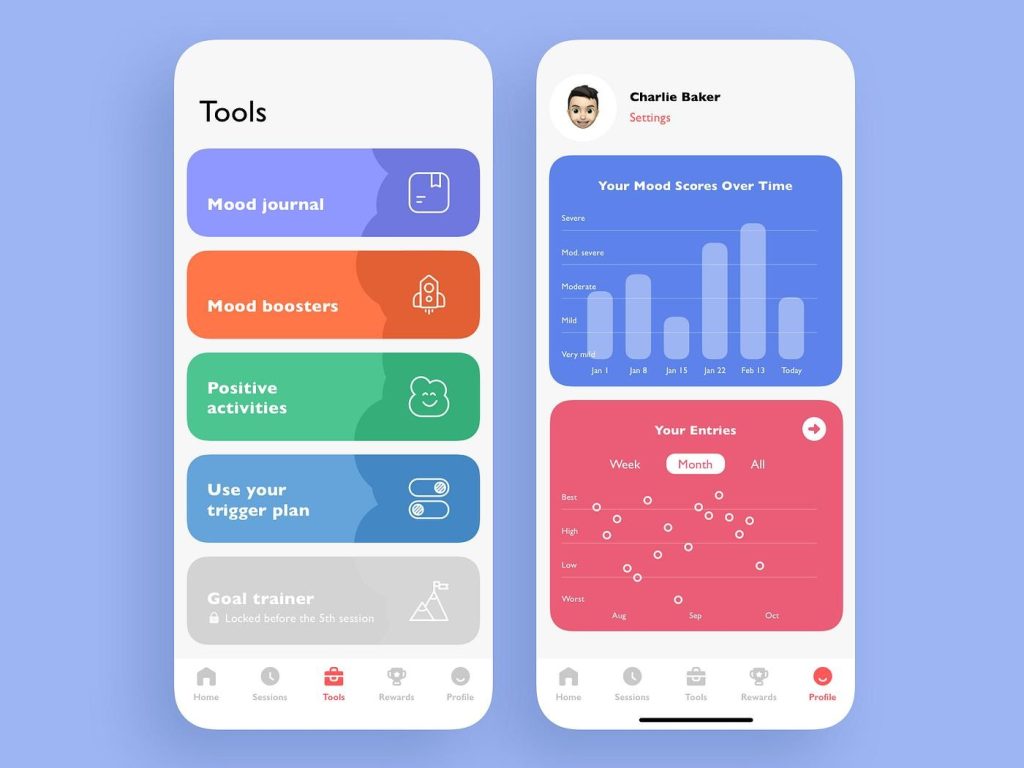
Instead of building a simple note-taking app, you can create a platform that helps users understand their emotional patterns over time. A mood tracker allows users to log daily feelings, write short journal entries, and visualize trends.
React’s strength in handling dynamic UI makes it perfect for building interactive charts and dashboards. Over time, the app can generate insights—such as identifying stressful periods or suggesting improvements.
This project stands out because it blends technology with human-centered design. It’s not just about data storage; it’s about interpreting data in a meaningful way. Adding privacy-focused features or AI-based suggestions can elevate it further.
4. Multiplayer Browser Game with React
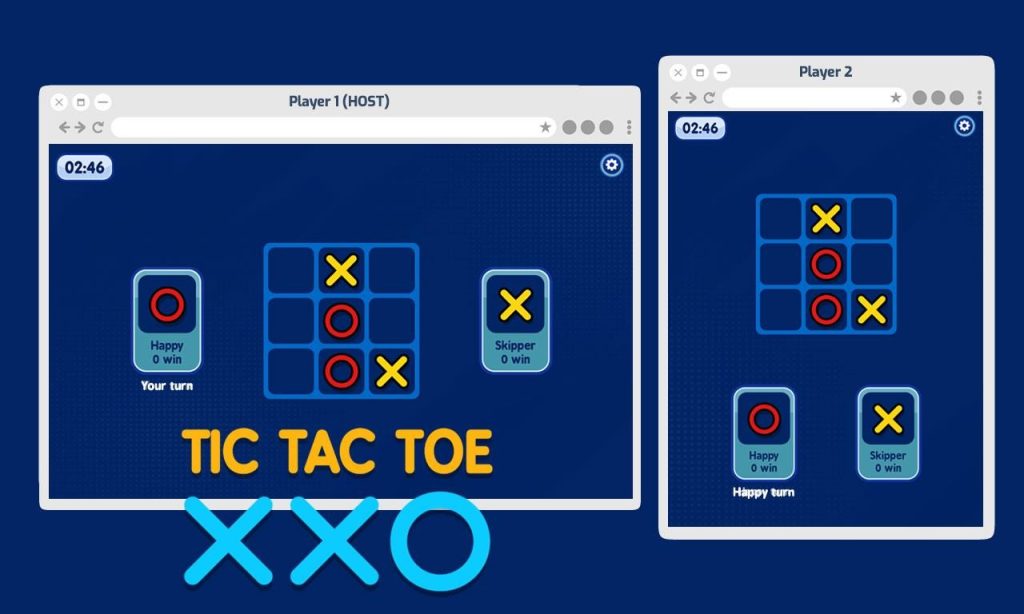
Building a multiplayer game pushes your skills beyond traditional frontend development. Here, React is used to manage the UI, while technologies like WebSockets enable real-time communication between players.
You can create a game like chess, a quiz battle, or even a simple strategy game. The complexity lies in synchronizing state between users, managing sessions, and ensuring a smooth experience.
This project demonstrates your ability to handle real-time systems, user interactions, and performance optimization. It also shows creativity—something that technical interviews increasingly value.
5. Smart E-Commerce Recommendation Engine
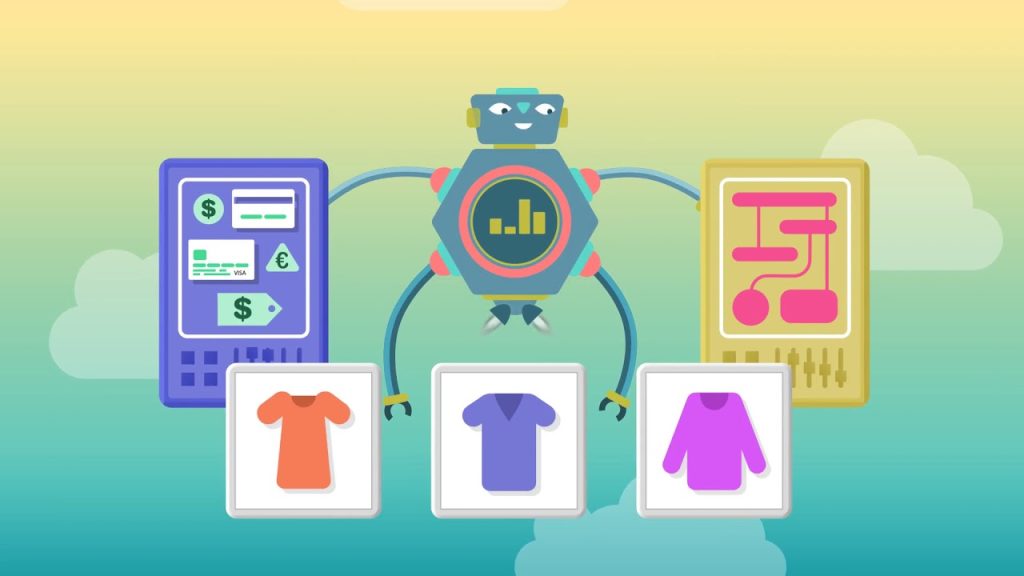
E-commerce platforms today rely heavily on personalization. In this project, you build a system that tracks user behavior and suggests products accordingly.
React helps you design a clean shopping experience, while backend logic or APIs handle recommendation algorithms. You can simulate user behavior or integrate basic machine learning services to generate suggestions.
What makes this project unique is its business relevance. It reflects how real-world platforms like Amazon or Flipkart operate. Adding features like user dashboards, analytics, and payment integration can make it feel like a production-level app.
6. Skill Swap Platform
A skill swap platform is a creative idea where users exchange knowledge instead of money. For example, one user might teach React while learning graphic design from another.
This project introduces elements of social networking—profiles, messaging, ratings, and matchmaking. React helps manage complex UI states, while services like Firebase can handle real-time chat.
The uniqueness lies in the concept itself. It’s a hybrid between a marketplace and a learning platform, showing that you can think beyond conventional applications.
7. Personal Finance Visualizer
A finance tracker becomes much more interesting when you focus on visualization rather than simple data entry. This project helps users understand where their money goes through interactive charts and reports.
React combined with visualization libraries like D3.js allows you to create engaging dashboards. Instead of static tables, users see dynamic graphs that respond to their input.
This project demonstrates your ability to transform raw data into insights—a critical skill in many industries today.
8. Interactive Roadmap Builder for Developers
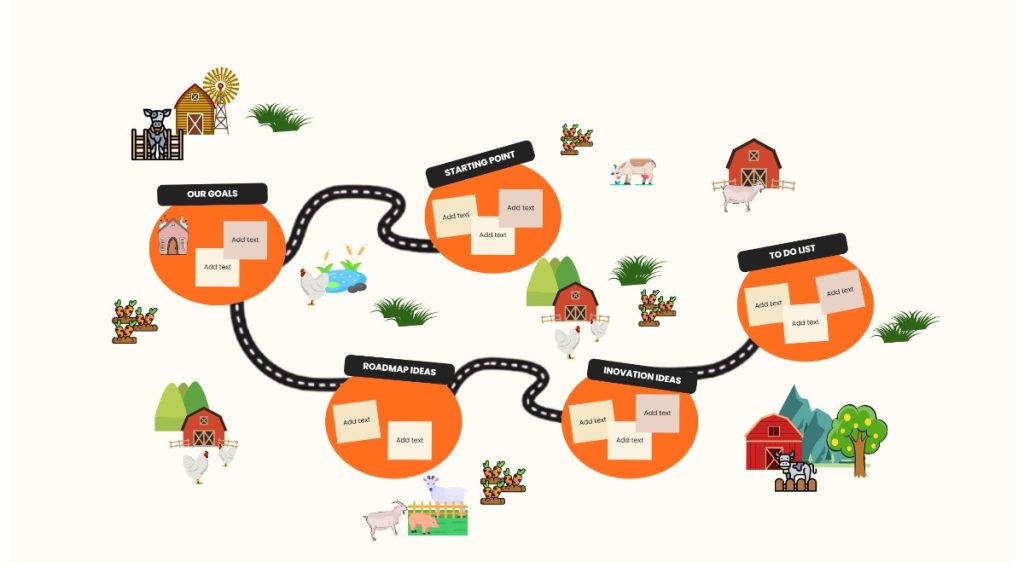
Learning paths are often confusing for beginners. This project solves that by allowing users to create and follow structured roadmaps.
You can build a drag-and-drop interface where users organize topics, track progress, and share their plans. React libraries like React Flow can help visualize connections between concepts.
This idea is highly practical, especially for students and self-learners. It shows that you understand user pain points and can design solutions accordingly.
9. Voice-Controlled Task Manager

Voice interfaces are becoming increasingly common. In this project, users manage tasks using voice commands instead of typing.
React handles the UI, while browser APIs process speech input. The challenge lies in interpreting commands accurately and providing meaningful responses.
This project stands out because it explores a non-traditional interaction model. It shows that you’re thinking about the future of user interfaces.
10. Experiment Tracker for Students

This project targets a specific audience—students and researchers. It allows users to document experiments, store results, and analyze outcomes.
React helps create an organized interface where users can log entries, upload files, and visualize data. Collaboration features can make it even more useful.
What makes this idea unique is its niche focus. Instead of building something generic, you’re solving a problem for a clearly defined group of users.
How to Turn These Ideas into Standout Projects
Building the idea is only the first step. To truly impress recruiters, your project should feel complete and polished.
Focus on creating a seamless user experience. Make sure your application is responsive, visually appealing, and easy to navigate. Add authentication systems so users can have personalized experiences. Deploy your project so it is accessible online, and include proper documentation explaining your approach.
Also, think like a product developer. Ask yourself:
- Who is this for?
- What problem does it solve?
- How can it scale?
Answering these questions will naturally push your project to a higher level.
Final Thoughts
React developers are everywhere in 2026, but originality is rare. The projects you choose define how others see your skills.
If you build something unique, meaningful, and technically solid, you won’t just learn React—you’ll prove that you can build real-world applications that matter.
Choose one idea from this list, go deep into it, refine the user experience, and deploy it confidently. That single project can be the difference between being just another developer and being the one who gets noticed.
Want to learn more about React ?, Kaashiv Infotech Offers React course and more Visit Their website www.kaashivinfotech.com.