

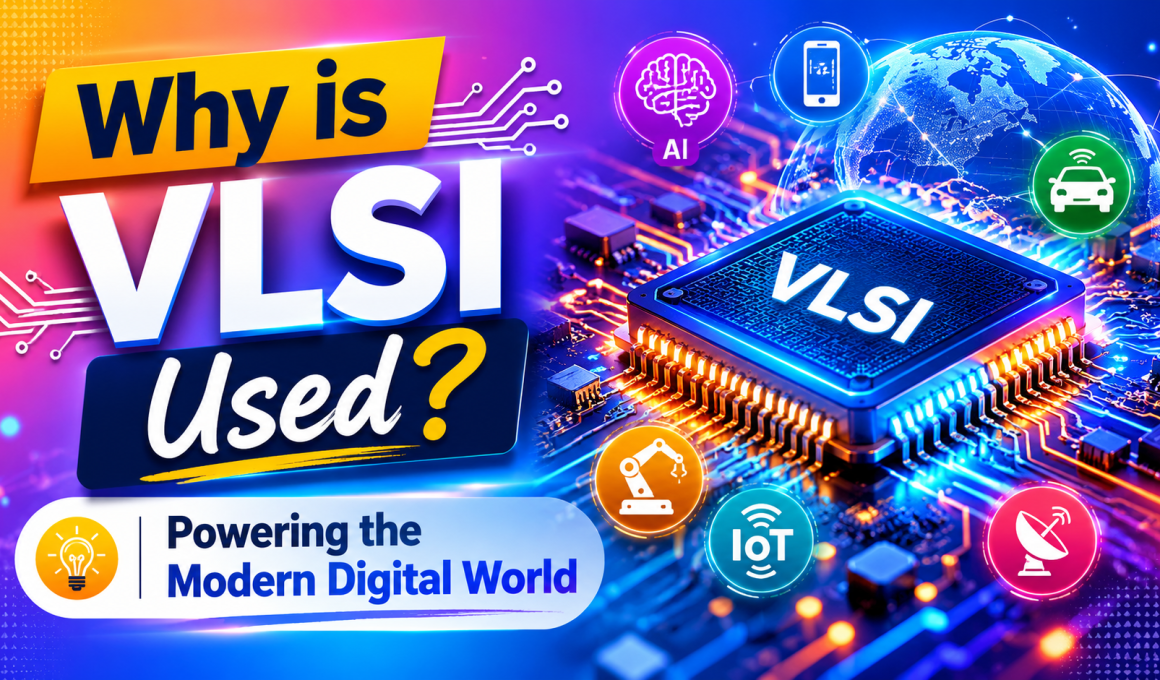
Very Large Scale Integration (VLSI) is one of the most transformative technologies in the history of electronics. It has enabled humanity to move from bulky, room-sized machines to ultra-compact, intelligent devices that fit in our pockets. why is vlsi used Whether you are using a smartphone, watching content on a smart TV, driving a modern car, or interacting with artificial intelligence, VLSI is working silently behind the scenes.
But the real question is not just what VLSI is—it is why VLSI is used so extensively across every technological domain. The answer lies in its unmatched ability to combine performance, efficiency, scalability, and intelligence into a single compact chip.
This article explores that answer in depth, providing a detailed understanding of the purpose, advantages, and real-world importance of VLSI.
Understanding VLSI in Depth
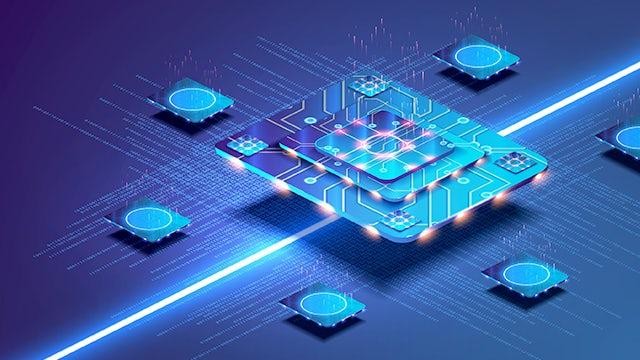
At its core, VLSI refers to the process of integrating a massive number of transistors—often billions—onto a single silicon chip. These transistors act as tiny switches that process and store information. Earlier generations of electronics relied on discrete components or small-scale integration, where only a few hundred transistors could be placed on a chip.
The evolution toward VLSI marked a turning point. It allowed engineers to design complete systems within a single integrated circuit, giving rise to microprocessors, memory chips, and system-on-chip architectures.
This shift did not just improve technology—it redefined what technology could achieve.
The Fundamental Reason: Integration at Scale
The primary reason VLSI is used is its ability to achieve extreme levels of integration. Instead of assembling thousands of individual components manually, VLSI enables everything to exist within a unified structure.
This integration reduces complexity at a physical level while simultaneously increasing logical complexity. In simpler terms, devices become smaller externally but far more powerful internally. This balance between compactness and capability is the foundation of modern computing.
Miniaturization: Making Technology Portable
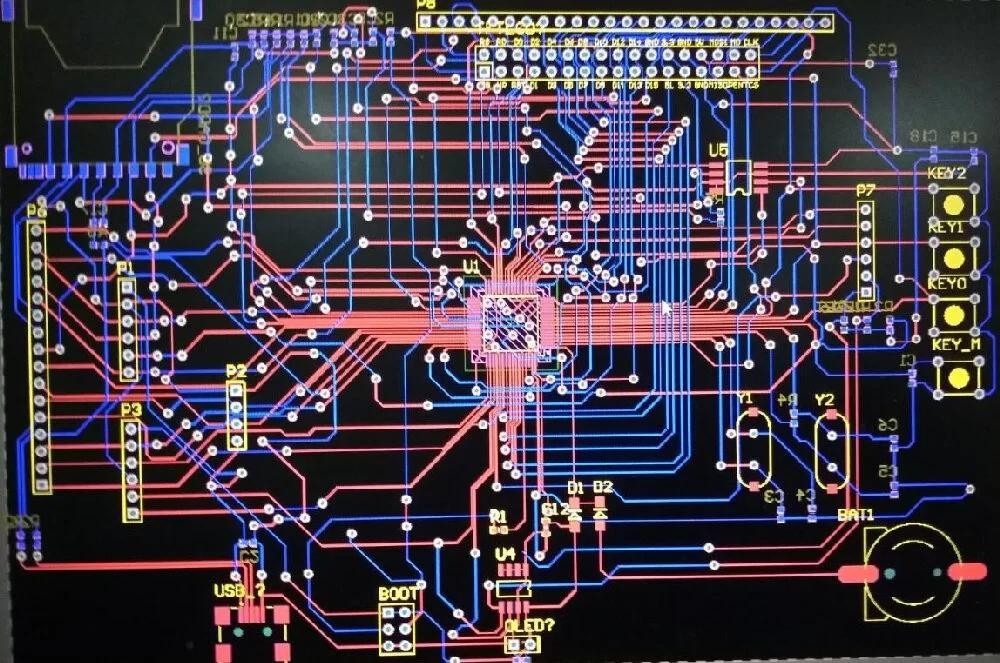
One of the earliest and most visible impacts of VLSI is miniaturization. Before integrated circuits, computers occupied entire rooms and required extensive wiring. Maintenance was difficult, and reliability was limited.
With VLSI, entire computing systems can now fit into handheld devices. Smartphones, for example, combine processing, storage, graphics, and communication modules within a single chip. This transformation has enabled portability, making technology accessible anytime and anywhere.
Miniaturization is not just about convenience. It also enables new categories of devices such as wearables, smart sensors, and implantable medical electronics—systems that would be impossible without VLSI.
Performance: Speed and Efficiency Combined
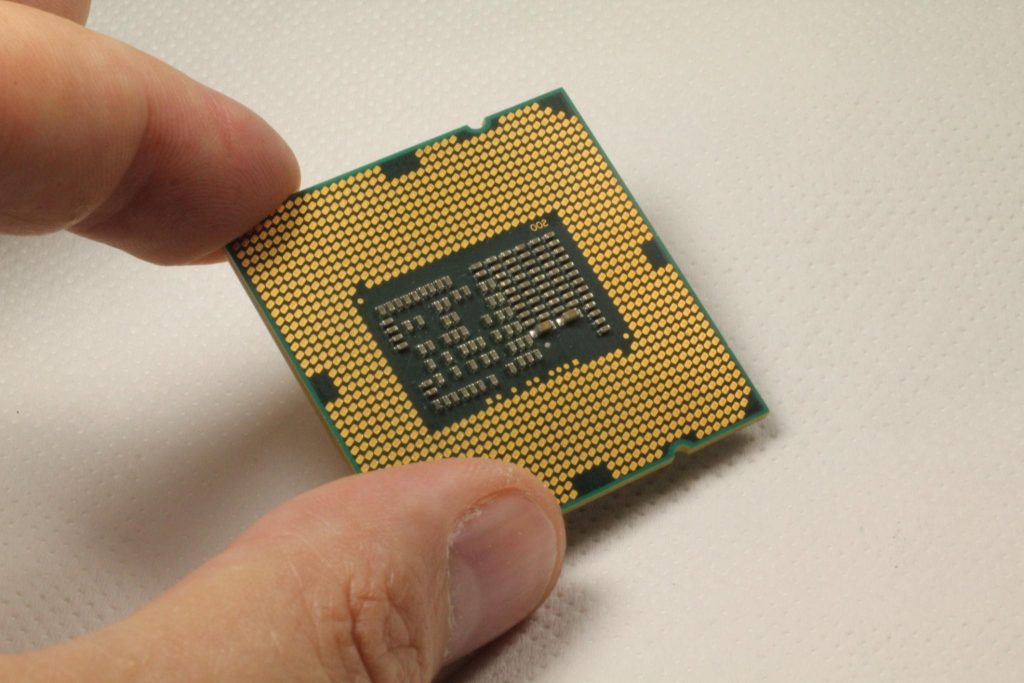
Another major reason for using VLSI is the significant improvement in performance. When components are placed extremely close to each other on a chip, the distance signals must travel becomes very small. This reduces delay and increases speed.
Moreover, VLSI enables parallelism. Multiple operations can occur simultaneously across different parts of the chip. This is essential for modern applications such as artificial intelligence, real-time video processing, gaming, and scientific simulations.
The result is not just faster devices, but smarter and more responsive systems capable of handling complex tasks instantly.
Power Efficiency: The Backbone of Modern Devices
Power consumption has become one of the most critical concerns in electronics, especially with the rise of mobile and battery-powered devices. VLSI plays a crucial role in addressing this challenge.
By integrating components closely and optimizing circuit design, VLSI reduces the energy required for signal transmission. Advanced techniques such as clock gating, power gating, and dynamic voltage scaling further enhance efficiency.
This is why modern smartphones can perform billions of operations while still lasting an entire day on a single charge. Without VLSI, such efficiency would be impossible.
Cost Effectiveness: Technology for the Masses
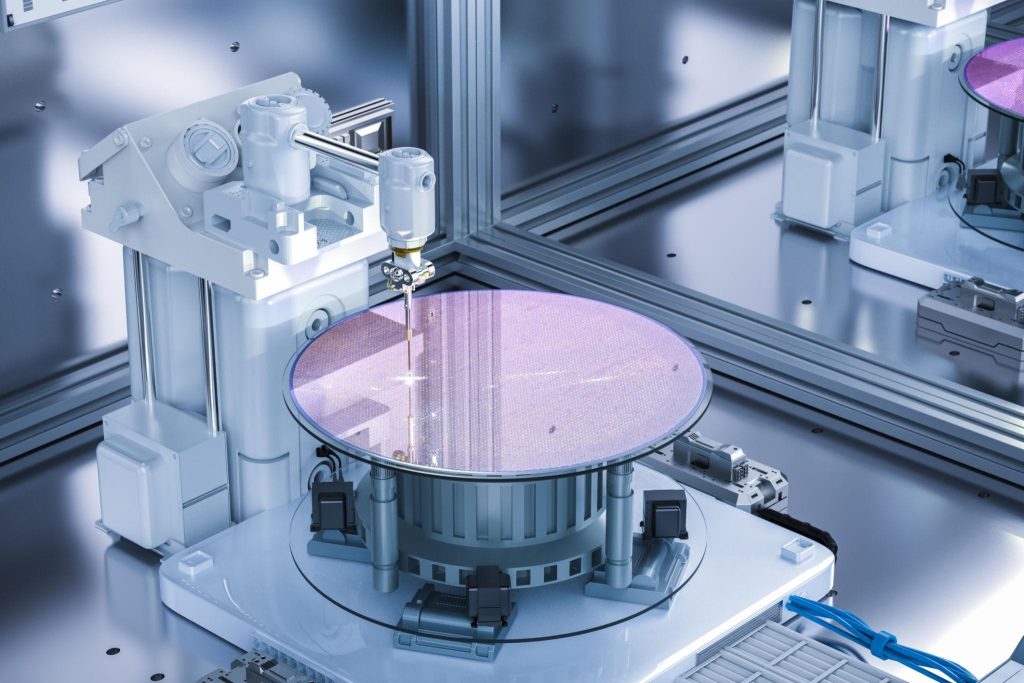
While designing and fabricating VLSI chips requires significant investment, the real advantage emerges during large-scale production. Once a design is finalized, thousands of identical chips can be manufactured on a single silicon wafer.
This mass production drastically reduces the cost per unit. As a result, powerful electronic devices become affordable to millions of people around the world. From budget smartphones to advanced computing systems, VLSI enables widespread access to technology.
Reliability: Stability in Critical Systems
Reliability is another key reason why VLSI is widely used. Traditional systems built from discrete components had numerous physical connections, each of which could fail over time.
VLSI minimizes these connections by integrating everything into a single chip. This reduces the chances of failure and improves overall system stability. Additionally, modern fabrication techniques ensure high precision and consistency across chips.
This reliability is essential in critical domains such as healthcare, aerospace, and automotive systems, where even minor failures can have serious consequences.
Functional Complexity: Everything in One Chip
VLSI allows designers to integrate multiple functionalities into a single chip, leading to the development of System on Chip (SoC) architectures. Instead of using separate chips for processing, graphics, memory, and communication, all these components can coexist within one unified system.
This integration simplifies design, reduces size, improves speed, and enhances efficiency. It is the reason why modern devices can perform complex tasks such as video editing, gaming, and AI processing seamlessly.
Applications of VLSI in the Real World
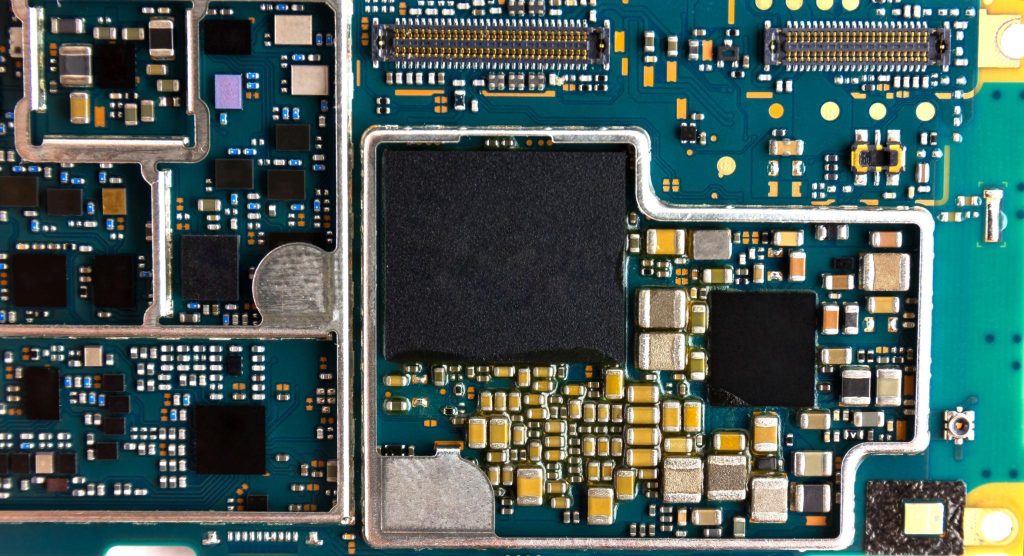
VLSI is not limited to one field—it is everywhere.
In consumer electronics, it powers smartphones, laptops, and smart home devices. In the automotive industry, it enables advanced driver-assistance systems, navigation, and engine control. In healthcare, VLSI is used in medical imaging, diagnostic equipment, and wearable health monitors.
Communication systems rely on VLSI for high-speed data transmission, including 5G networks and satellite communication. Industrial automation, robotics, and IoT ecosystems also depend heavily on VLSI for intelligent decision-making and control.
In essence, VLSI is the invisible engine driving modern civilization.
Challenges in VLSI Technology
Despite its many advantages, VLSI is not without challenges. As transistor sizes shrink to nanometer scales, new physical limitations emerge. Heat dissipation becomes more difficult, and even minor design errors can lead to significant failures.
The design process itself is highly complex, requiring sophisticated tools and deep expertise. Verification and testing also demand significant time and resources.
However, continuous innovation in materials, design methodologies, and fabrication techniques is helping overcome these challenges.
The Future of VLSI
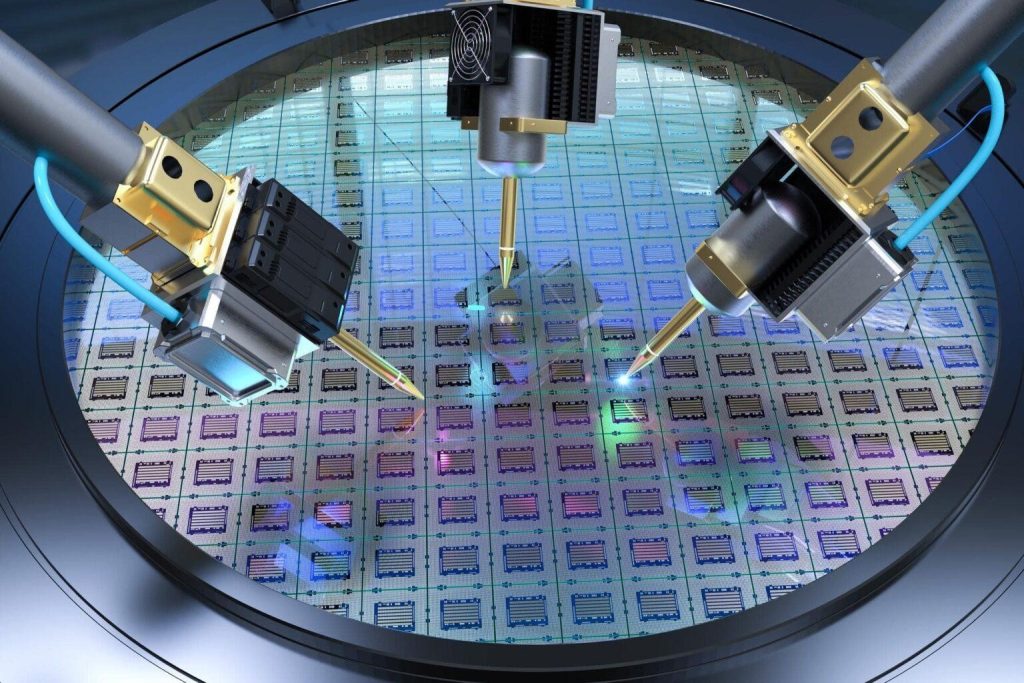
The future of VLSI is both exciting and transformative. Emerging technologies such as 3D integrated circuits are enabling vertical stacking of chips, increasing density without increasing size. Artificial intelligence is driving the development of specialized processors optimized for machine learning tasks.
Nanotechnology is pushing the boundaries of miniaturization, while quantum computing introduces entirely new paradigms of computation. As these innovations evolve, VLSI will continue to play a central role in shaping the next generation of technology.
Conclusion
VLSI is used because it provides a perfect balance of compactness, performance, efficiency, cost-effectiveness, and reliability. It has transformed the way electronic systems are designed and has made advanced technology accessible to the world.
From powering everyday devices to enabling cutting-edge innovations, VLSI is not just a technology—it is the foundation of modern digital life. As we move toward a future driven by AI, IoT, and advanced computing, the importance of VLSI will only continue to grow.
Want to Learn More??, Kaashiv Infotech Offers, VLSI Internship, IOT Internship & More, Visit Their website course.kaashivinfotech.com.