
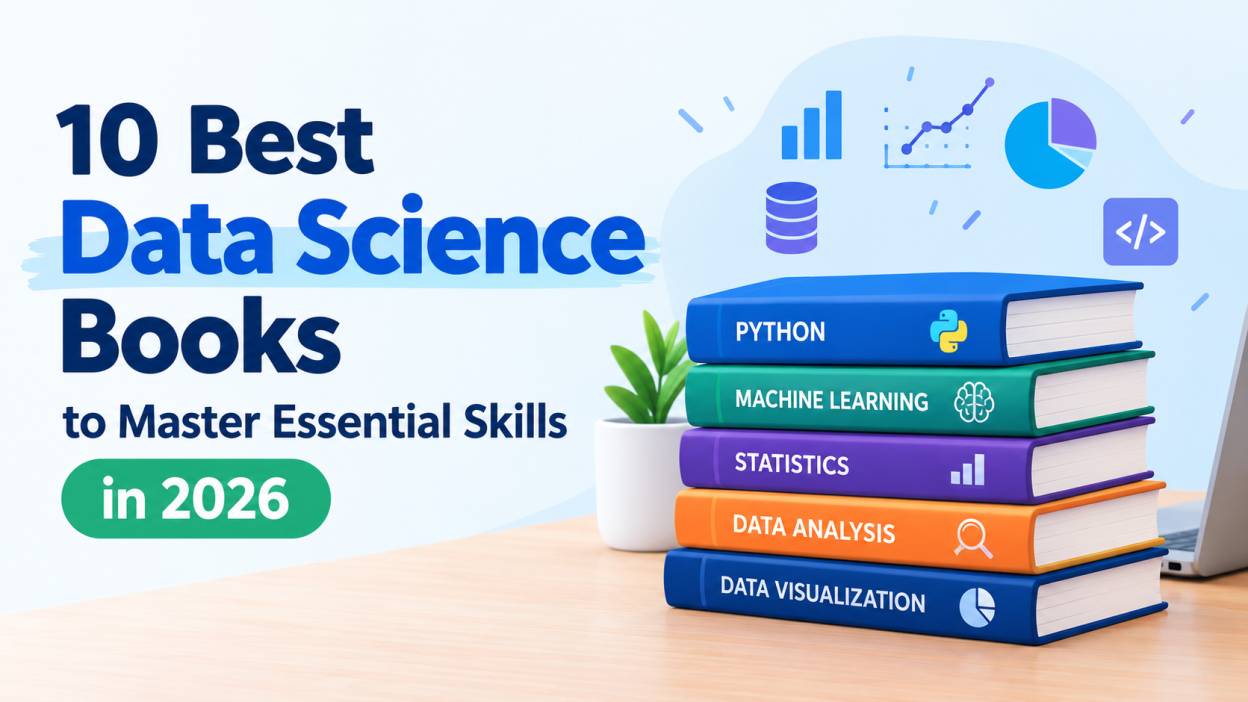
10 Best Data Science Books – Data science is one of the most useful fields for people who want to work with data, solve real-world problems, and build intelligent applications. It combines statistics, programming, machine learning, data visualization, and analytical thinking to turn raw information into meaningful insights.
For beginners, choosing the right learning resources can be challenging. Some books focus on Python programming, while others explain statistics, machine learning, or practical data analysis. The following 10 books can help you build a strong foundation in data science in 2026.
Why Should You Learn Data Science Through Books?
Books provide a structured way to understand data science concepts. They often explain the reasoning behind algorithms, statistical methods, and programming techniques in greater detail than short tutorials.
- Strong fundamentals: Learn statistics, mathematics, Python, and machine learning.
- Practical knowledge: Apply concepts using examples and real datasets.
- Better problem-solving: Develop logical approaches to data-related challenges.
- Career preparation: Build knowledge useful for data analyst and data scientist roles.
- Flexible learning: Study at your own pace and revisit difficult topics.
10 Best Data Science Books to Read in 2026
1. Python for Data Analysis — Wes McKinney
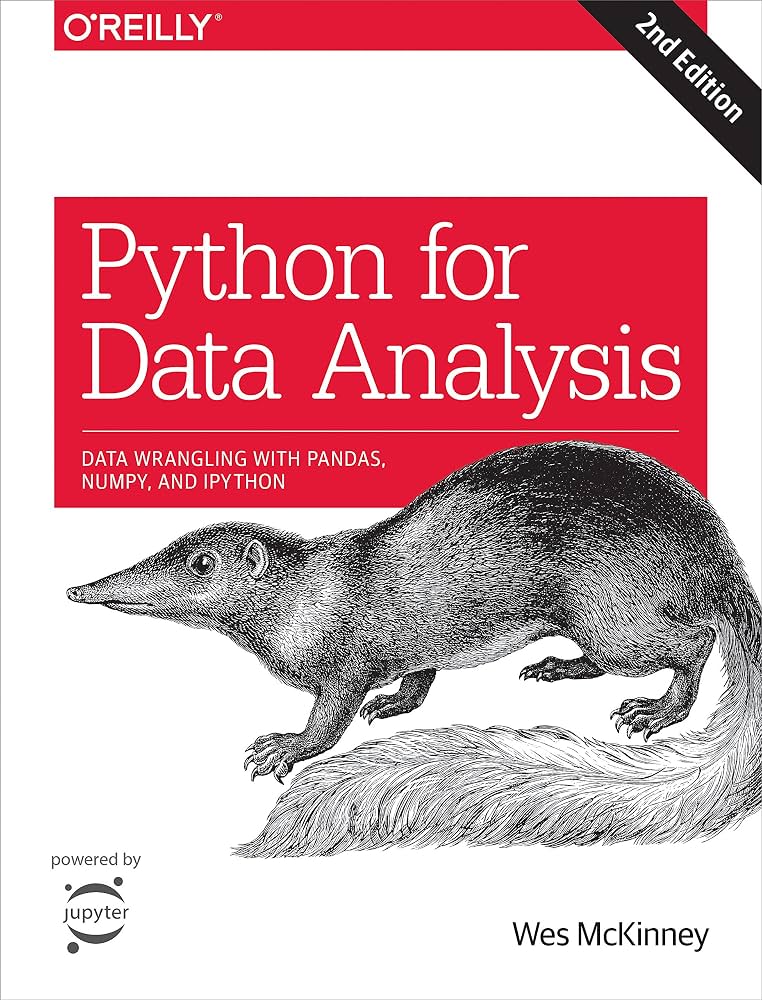
Best for: Python-based data analysis
This book is an excellent choice for learners who want to work with real datasets. It explains how to use Python libraries such as pandas and NumPy to clean, organize, transform, and analyze data.
You will learn how to handle missing values, work with tables, combine datasets, and explore information efficiently. These skills are useful for data analysts and aspiring data scientists.
2. Hands-On Machine Learning with Scikit-Learn, Keras, and TensorFlow — Aurélien Géron
Best for: Practical machine learning
This book helps readers move from basic data analysis to building machine learning models. It introduces supervised and unsupervised learning, classification, regression, decision trees, neural networks, and deep learning.
Its practical examples help you understand how algorithms work and how to implement them. Check the edition before purchasing because the covered tools and frameworks can differ.
3. Data Science from Scratch — Joel Grus
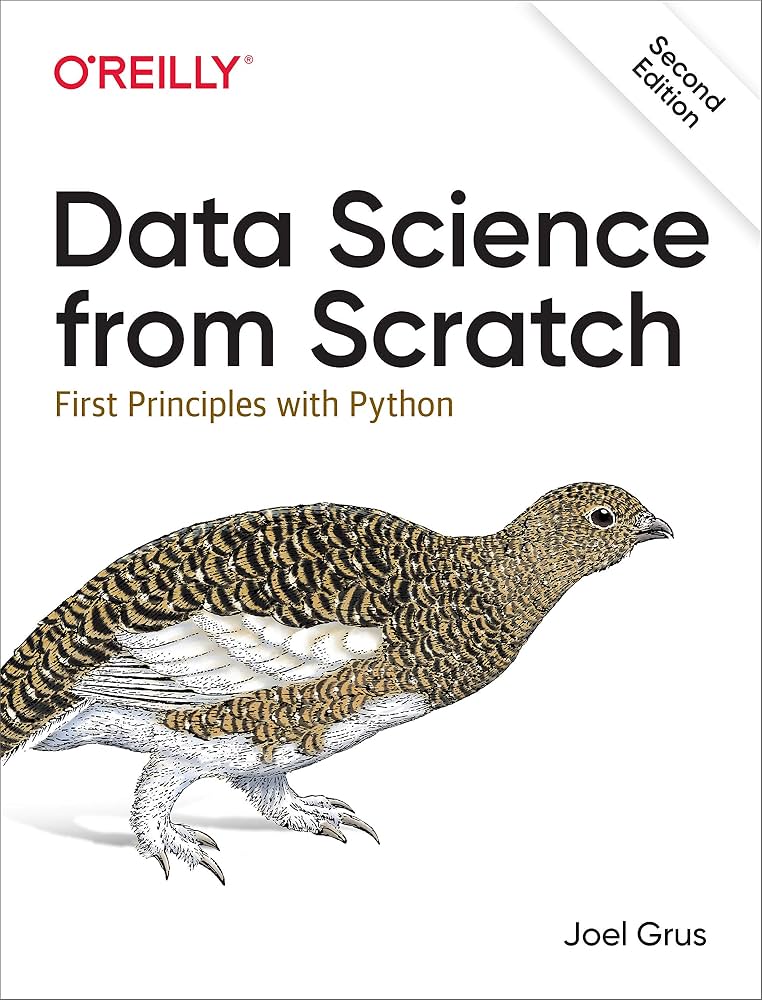
Best for: Understanding data science fundamentals
This book explains core data science concepts by implementing algorithms in Python. Instead of relying entirely on ready-made libraries, it helps you understand the logic behind statistical methods, data processing, and machine learning techniques.
It is especially useful for learners who know basic Python and want to understand what happens behind the scenes when building analytical applications.
4. Practical Statistics for Data Scientists — Peter Bruce, Andrew Bruce, and Peter Gedeck
Best for: Statistics and probability
Statistics is essential for interpreting data correctly. This book introduces sampling, probability distributions, regression, statistical significance, and other concepts commonly used in data science.
It connects statistical theory with practical examples using programming. It is a valuable resource for understanding how to evaluate data, interpret results, and avoid misleading conclusions.
5. An Introduction to Statistical Learning — Gareth James, Daniela Witten, Trevor Hastie, and Robert Tibshirani
Best for: Machine learning theory and practice
This book introduces important statistical learning methods, including linear regression, classification, resampling, model selection, and tree-based learning.
It balances explanations with practical exercises, making it suitable for learners who have basic statistics knowledge and want to understand machine learning more deeply. Python and R editions are available, so choose the version that matches your preferred programming language.
6. Python Data Science Handbook — Jake VanderPlas
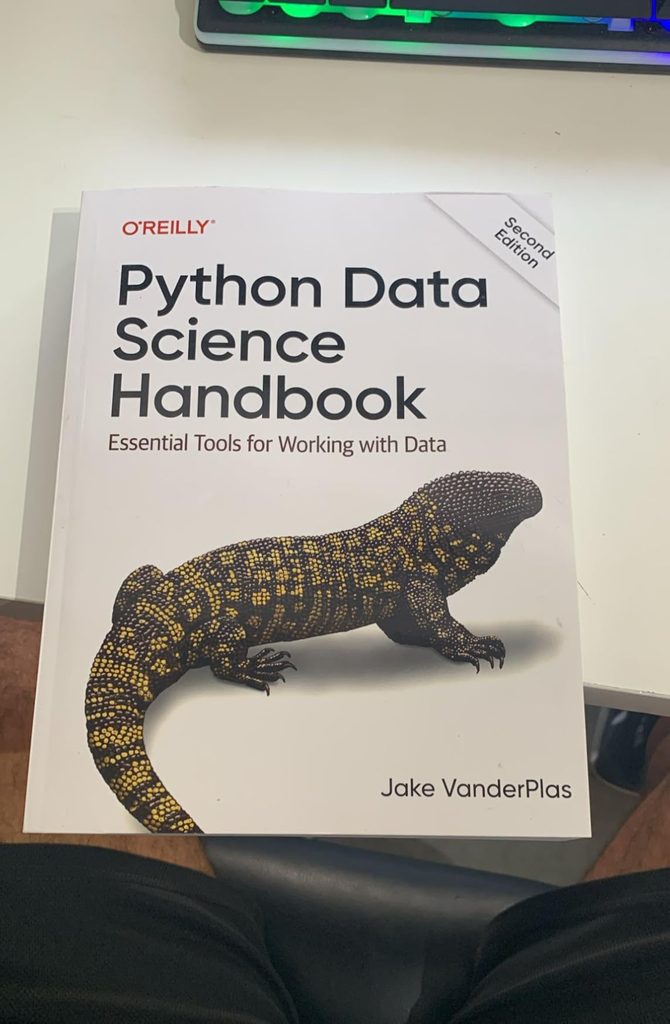
Best for: Learning essential Python libraries
This handbook covers key tools used in Python-based data science, including NumPy, pandas, Matplotlib, and scikit-learn.
It is useful for learning numerical computing, data manipulation, visualization, and introductory machine learning. You can also use it as a reference when working on personal projects or revising important concepts.
7. Data Science for Business — Foster Provost and Tom Fawcett
Best for: Applying data science to business problems
Data science is not only about writing code. It also involves identifying problems, selecting useful data, evaluating predictions, and communicating results.
This book explains how analytical thinking can support business decisions. It is especially helpful for aspiring data scientists who want to understand how machine learning and data analysis create value for organizations.
8. Think Stats: Probability and Statistics for Programmers — Allen B. Downey
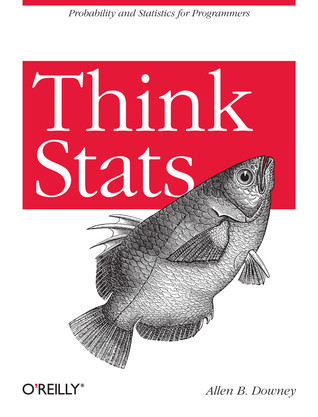
Best for: Learning statistics through Python
Think Stats introduces statistical concepts through programming examples and real datasets. It covers distributions, probability, estimation, hypothesis testing, and relationships between variables.
The programming-focused approach helps learners understand statistics by experimenting with data instead of studying formulas alone. It is a good option for Python learners who prefer practical exercises.
9. The Elements of Statistical Learning — Trevor Hastie, Robert Tibshirani, and Jerome Friedman
Best for: Advanced machine learning concepts
This book explores statistical learning in greater mathematical depth. Topics include regularization, classification, model selection, support vector machines, and ensemble methods.
It is more suitable for readers who already understand statistics, linear algebra, and introductory machine learning. Beginners may find it challenging, but it can be a valuable reference for advanced study.
10. Storytelling with Data — Cole Nussbaumer Knaflic
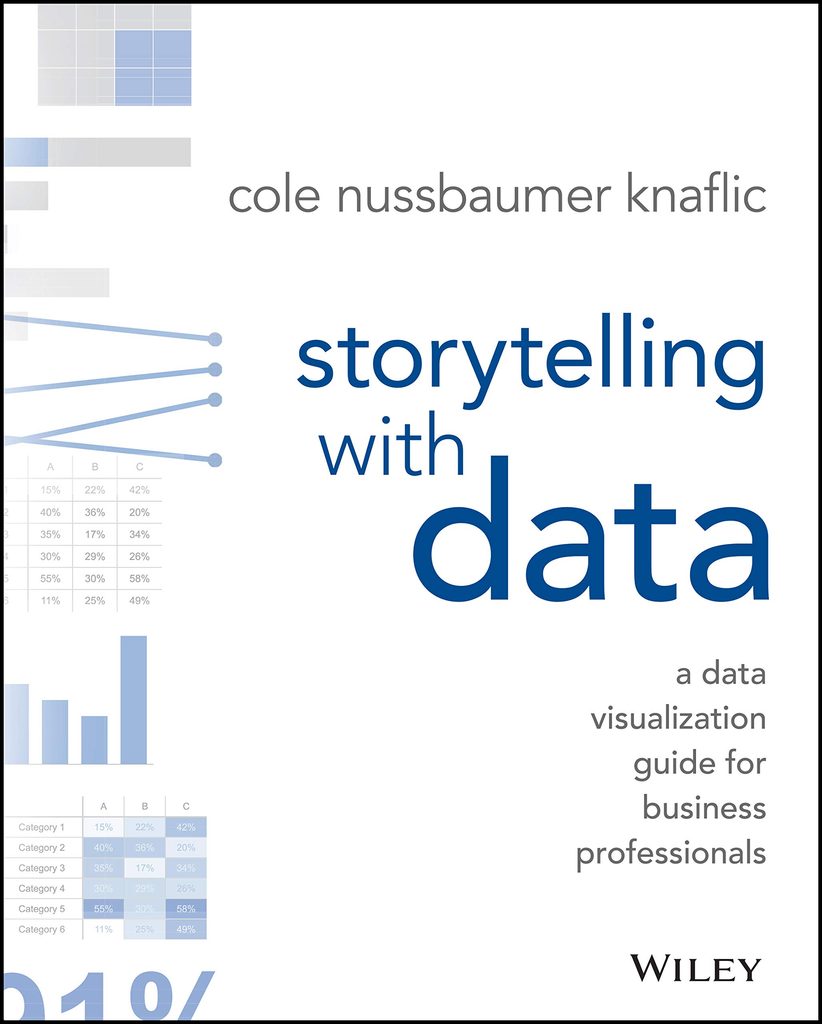
Best for: Data visualization and communication
A data scientist must explain findings clearly to people who may not have a technical background. This book teaches readers how to create effective charts, reduce unnecessary visual elements, and communicate insights through data.
It is useful for preparing reports, dashboards, presentations, and project demonstrations. These skills complement programming and machine learning knowledge.
How to Choose the Right Data Science Book
The best book depends on your current skills and learning objectives.
| Learning goal | Recommended book |
|---|---|
| Learn data analysis with Python | Python for Data Analysis |
| Understand statistics | Practical Statistics for Data Scientists |
| Build machine learning models | Hands-On Machine Learning |
| Learn algorithms from scratch | Data Science from Scratch |
| Improve Python data science skills | Python Data Science Handbook |
| Understand business applications | Data Science for Business |
| Study advanced machine learning | The Elements of Statistical Learning |
| Create better charts and reports | Storytelling with Data |
How to Learn Data Science Using These Books
Reading alone is not enough to become a data scientist. You need to combine theory with regular programming practice and project development.
Follow this learning path to make steady progress.
- Learn Python basics. Understand variables, loops, functions, lists, dictionaries, and file handling before moving to data science libraries.
- Study data analysis. Use pandas and NumPy to clean datasets, calculate statistics, and identify patterns.
- Build statistical knowledge. Learn probability, distributions, correlation, regression, and hypothesis testing.
- Explore machine learning. Practise classification, regression, clustering, and model evaluation.
- Create portfolio projects. Build projects such as sales prediction, customer segmentation, spam detection, or data visualization dashboards.
- Communicate your results. Explain the problem, describe your approach, and present the results through clear charts and reports.
You can also practise using publicly available datasets from Kaggle and experiment with Python notebooks. Check current documentation alongside older books because programming libraries and software interfaces change over time.
Conclusion
The best data science books in 2026 cover more than programming. They help you understand statistics, analyze datasets, develop machine learning models, solve business problems, and communicate findings effectively.
If you are a beginner, start with Python for Data Analysis or Python Data Science Handbook. Add Practical Statistics for Data Scientists to strengthen your analytical foundation, and then move to Hands-On Machine Learning or An Introduction to Statistical Learning.
Remember, you do not need to finish all 10 books before starting a project. Choose one book that matches your current level, practise its examples, and build small projects as you learn. Consistent practice and a strong understanding of fundamentals will help you develop useful data science skills and prepare for future career opportunities.
Want to learn more ??, Kaashiv Infotech Offers Data Analytics Course, Data Science Course, Cyber Security Course & More Visit Their Website www.kaashivinfotech.com.