8 Inspiring UI/UX Design Examples That Set New Design Standards

In today’s digital-first world, UI/UX design plays a major role in how users perceive and interact with products. A well-designed interface not only looks visually appealing but also guides users smoothly toward their goals. Whether it’s booking a ride, shopping online, or streaming content, good UI/UX ensures users enjoy the journey without confusion or frustration.
For aspiring designers, analyzing real-world UI/UX design examples is one of the best ways to learn. These products didn’t become popular by accident—they succeeded because of thoughtful design decisions backed by user research and continuous improvement.
In this article, we explore 8 stunning UI/UX design examples that stand out for their usability, clarity, and innovation. Each example highlights unique design principles that can inspire your own design projects.
Best UI/UX Design Examples
1. Instagram
Instagram is a powerful example of a platform built around visual simplicity. The interface avoids clutter and places images and videos at the center of the experience. Navigation icons are intuitive and remain consistent across the app, making it easy for users to explore without a learning curve.
One of Instagram’s strongest UX elements is gesture-based interaction. Actions like swiping between stories or double-tapping to like content feel natural and effortless. The app also adapts well to different screen sizes, ensuring a smooth experience across devices. This balance between simplicity and functionality makes Instagram a benchmark for social media UI/UX design.
2. Spotify
Spotify’s design focuses heavily on personalization and ease of discovery. From the moment users open the app, they are greeted with recommendations tailored to their listening habits. The use of bold typography, dark themes, and accent colors creates a visually pleasing and immersive experience.
The UX flow is designed to minimize friction. Searching for songs, creating playlists, or switching between devices feels seamless. Spotify’s ability to combine powerful algorithms with an intuitive interface demonstrates how data-driven design can enhance user satisfaction without overwhelming the user.
3. Google Maps

Google Maps is a prime example of functional UI/UX design. It handles complex information—routes, traffic, locations—while keeping the interface clear and easy to use. The visual hierarchy ensures that important elements like directions and estimated arrival times stand out instantly.
User experience is enhanced through real-time updates, voice navigation, and predictive suggestions. The design adapts dynamically based on user context, whether they are walking, driving, or using public transport. Google Maps proves that even data-heavy applications can feel intuitive when designed correctly.
4. Uber

Uber simplifies a complicated process—finding and booking a ride—into a few easy steps. The interface is clean, minimal, and focused on the user’s immediate needs. Real-time maps, driver details, and fare estimates are displayed clearly, reducing uncertainty.
From a UX perspective, Uber excels in transparency. Users can track their ride, view payment details, and rate drivers effortlessly. The app’s accessibility features and straightforward onboarding process make it usable for a wide range of audiences, which is a key factor in its global success.
5. Amazon

Amazon’s UI may not be visually minimal, but it excels in usability and efficiency. With millions of products available, the platform prioritizes powerful search, filters, and recommendations. The interface is designed to help users find what they need quickly, even with limited information.
UX decisions like one-click purchasing, saved addresses, and personalized suggestions significantly reduce effort during checkout. Amazon’s success shows that good UX isn’t always about aesthetics—it’s about making complex systems work smoothly for users.
6. Netflix
Netflix is known for its content-first design approach. Large thumbnails, auto-play previews, and categorized rows help users browse effortlessly. The interface feels familiar across devices, whether accessed on mobile, desktop, or smart TVs.
From a UX standpoint, Netflix’s recommendation engine plays a major role. By learning from viewing behavior, it reduces decision fatigue and keeps users engaged. Simple navigation combined with intelligent personalization makes Netflix a strong example of entertainment-focused UI/UX design.
7. Pinterest
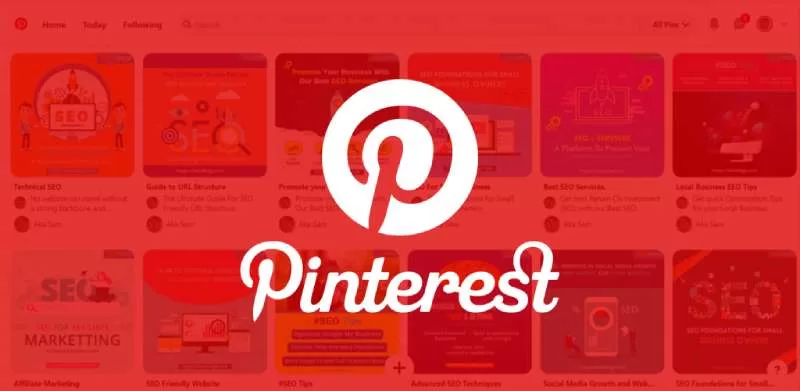
Pinterest stands out with its visually rich, grid-based layout that encourages exploration. The UI emphasizes discovery, allowing users to scroll endlessly through content without interruption. This design aligns perfectly with the platform’s goal of inspiration and idea generation.
UX features such as visual search and personalized feeds make content discovery more intuitive. Users don’t need to know exactly what they’re looking for—Pinterest helps them find it organically. This makes the platform especially effective for creative industries like design, fashion, and home decor.
8. Airbnb
Airbnb’s design focuses on trust, clarity, and ease of booking. The interface guides users step by step—from choosing a destination to confirming a stay—without overwhelming them. High-quality images and clear pricing information help users make confident decisions.
UX elements like interactive maps, detailed property descriptions, and transparent reviews enhance credibility. Airbnb’s thoughtful design reduces uncertainty for first-time users, proving how good UI/UX can directly impact business success.
Conclusion
UI/UX Design Examples – These UI/UX design examples demonstrate how thoughtful design can transform user interactions into meaningful experiences. While each product serves a different purpose, they all share common principles: simplicity, consistency, personalization, and user-centric thinking.
For designers, UI/UX Design Examples – the key takeaway is not to copy these interfaces but to understand the reasoning behind their design choices. By studying how these platforms solve user problems, you can apply similar principles to your own projects and create experiences that users truly value.
Want to learn more, Kaashiv Infotech Offers, UI UX Course, Front End Development Course, Full Stack Development Course & More, Visit Their Website www.kaashivinfotech.com.
Related Reads:
- UX vs UI – What’s the Real Difference? (Definition, Meaning & Full Form)
- 10 Best Video Editing Software for Beginners & Professionals in 2025
- Top 10 Spotify Artists in 2025 (With Shocking Trends!)
FAQs
1. How do UI and UX work together?
UI focuses on visual elements like buttons and layouts, while UX addresses the overall experience. Together, they ensure a product is both attractive and easy to use.
2. What makes a good UI/UX design?
A good design prioritizes user needs, maintains consistency, ensures accessibility, and reduces friction throughout the user journey.
3. Why are real-world UI/UX examples important for learning?
They help designers understand practical challenges, user behavior, and how design decisions impact engagement and usability.
4. Can good UI/UX design improve business growth?
Yes. A smooth user experience increases retention, conversions, and customer satisfaction, directly impacting revenue.
5. How can beginners improve their UI/UX skills?
By analyzing popular apps, practicing design projects, learning user research methods, and staying updated with design trends.