

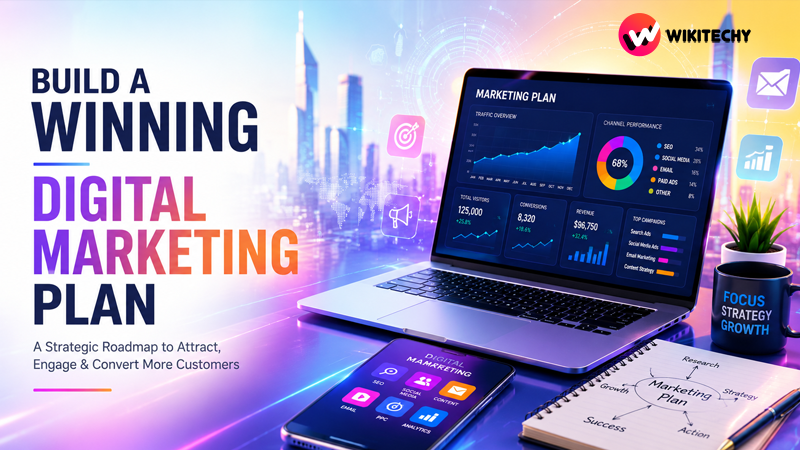
In an era where every business is competing for attention online, a structured and well-executed digital marketing plan is no longer optional—it is essential. Without a clear roadmap, even the most creative campaigns can fail to deliver results. A strong plan helps you align your business goals with the right audience, channels, and strategies while ensuring that every effort contributes to measurable growth.
This detailed guide walks you through a refined, step-by-step approach to building a powerful digital marketing plan that works in 2026 and beyond.
1. Start with Clear and Meaningful Goals

Every successful marketing plan begins with a clear understanding of what you want to achieve. Without defined goals, it becomes difficult to measure success or make informed decisions.
Instead of setting vague targets like “increase sales” or “get more traffic,” focus on creating goals that are specific and measurable. For example, you might aim to increase your website traffic by 50% over the next six months or generate a fixed number of qualified leads each month.
Well-defined goals not only guide your strategy but also help your team stay focused and accountable throughout the process. They act as the foundation upon which every other step in your marketing plan is built.
2. Deeply Understand Your Target Audience

A digital marketing plan is only as effective as its understanding of the audience it serves. Knowing your audience goes far beyond basic demographics. You need to understand their behavior, preferences, challenges, and motivations.
Think about what problems your audience is trying to solve and how your product or service fits into their journey. Consider where they spend their time online, what type of content they consume, and what influences their purchasing decisions.
Creating detailed audience personas can be extremely helpful. These personas represent your ideal customers and allow you to tailor your messaging in a way that feels personal and relevant. When your marketing speaks directly to your audience’s needs, engagement and conversions naturally improve.
3. Analyze the Market and Study Your Competitors

Before you decide how to market your business, it is important to understand the environment in which you are operating. Market and competitor research provide valuable insights into what is already working and where opportunities exist.
Look closely at your competitors’ websites, content strategies, and social media presence. Identify the type of content they produce, how frequently they post, and how their audience engages with them. This analysis can reveal gaps that you can take advantage of, as well as strategies you may want to adapt or improve upon.
By understanding your competition, you position yourself to create a strategy that is not only effective but also differentiated.
4. Select the Most Effective Digital Channels

Not every digital platform will be suitable for your business, and trying to be present everywhere can dilute your efforts. The key is to focus on the channels that align best with your audience and goals.
Search engines are ideal for capturing high-intent users, while social media platforms are excellent for building brand awareness and engagement. Email marketing works well for nurturing relationships and driving repeat business, whereas paid advertising can deliver quick and targeted results.
Choosing the right mix of channels allows you to maximize your reach without spreading your resources too thin. A focused approach is always more effective than trying to do everything at once.
5. Build a Strong and Consistent Content Strategy

Content is at the core of digital marketing. It is how you communicate your value, build trust, and guide your audience toward taking action.
An effective content strategy involves creating material that is not only informative but also engaging and relevant to your audience. This can include blog articles, videos, social media posts, case studies, and more.
Consistency plays a crucial role here. Publishing content regularly helps you stay visible and build credibility over time. Planning your content in advance through a structured calendar ensures that your messaging remains aligned with your goals and campaigns.
Good content does more than attract attention—it creates meaningful connections with your audience.
6. Plan Your Budget and Allocate Resources Wisely

A successful digital marketing plan requires thoughtful investment. This includes both financial resources and time.
Rather than spending heavily without direction, it is important to allocate your budget strategically. Consider how much you will invest in advertising, content creation, tools, and human resources. Prioritize activities that align closely with your goals and offer the highest potential return.
Starting with a controlled budget and scaling based on performance is often the smartest approach. This allows you to test different strategies, learn what works, and optimize your spending over time.
7. Execute Your Strategy with Precision and Consistency
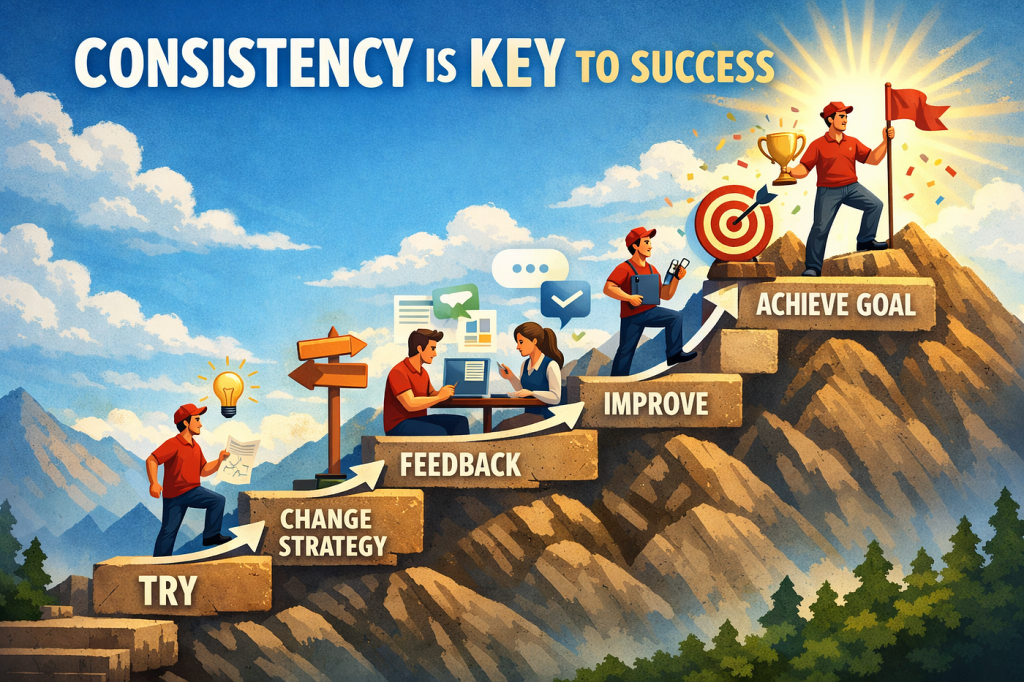
Once your plan is in place, the next step is execution. This is where your ideas turn into action.
Launching campaigns, publishing content, running advertisements, and optimizing your website all fall under this phase. It is important to maintain consistency in your efforts while ensuring that everything aligns with your brand identity and messaging.
Execution is not just about doing tasks—it is about doing them well and doing them consistently. Even the best strategy will fail without proper implementation.
8. Measure Performance and Continuously Improve

The final step in building an effective digital marketing plan is ongoing analysis and optimization. Digital marketing is not a one-time effort; it is a continuous process of learning and improvement.
Tracking performance metrics such as website traffic, engagement rates, conversions, and return on investment helps you understand what is working and what is not. These insights allow you to refine your strategy, improve your campaigns, and achieve better results over time.
The most successful marketers are those who constantly adapt based on data. By regularly reviewing your performance and making informed adjustments, you ensure that your marketing efforts remain effective and relevant.
Conclusion
A high-impact digital marketing plan is built on clarity, strategy, and continuous improvement. It requires a deep understanding of your goals, your audience, and the ever-changing digital landscape.
By focusing on clear objectives, choosing the right channels, creating valuable content, and consistently analyzing your performance, you can develop a marketing plan that not only drives traffic but also delivers meaningful business results.
In 2026, success in digital marketing is not about doing more—it is about doing the right things with precision and purpose.
Want to learn More about Marketing Management Kaashiv Infotech Offers Digital Marketing Course & More, Visit www.kaashivinfotech.com.