
Automation testing has transformed from a “nice-to-have” into a mission-critical component of modern software development. In 2026, with the rise of AI-driven applications, microservices architecture, and ultra-fast CI/CD pipelines, testing tools are no longer just about executing scripts—they’re about intelligence, adaptability, and speed at scale.
This detailed guide will walk you through the top 10 automation testing tools in 2026, along with deep insights, real-world usage, advantages, limitations, and how to choose the right one for your needs.
🚀 The Evolution of Automation Testing
Over the past decade, automation testing has evolved dramatically. Earlier, teams relied heavily on manual QA processes, which were slow, error-prone, and difficult to scale. Today, testing ecosystems are deeply integrated with development pipelines.
In 2026, automation testing tools offer:
- AI-based test generation that writes test cases automatically
- Self-healing scripts that fix broken locators without human input
- Cloud-based execution environments for instant scalability
- Cross-platform support (Web, Mobile, Desktop, APIs)
- Real-time analytics dashboards
This evolution allows teams to deliver high-quality software faster than ever before.
Top 10 Automation Testing Tools
1. Selenium – The Evergreen Leader
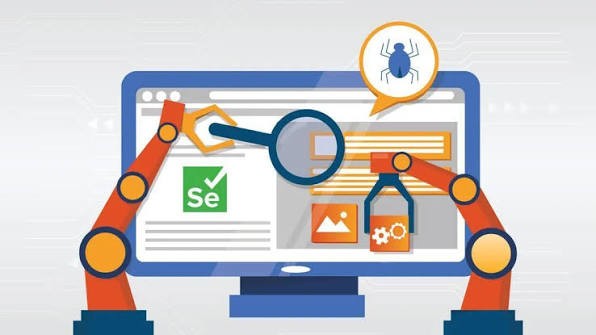
Selenium continues to dominate the automation testing world due to its open-source nature and unmatched flexibility. Even in 2026, it remains the backbone for many frameworks and cloud testing platforms.
Selenium WebDriver allows direct interaction with browsers, while Selenium Grid enables parallel test execution across multiple environments.
Why Selenium Still Matters
Selenium has adapted to modern needs by integrating with AI plugins and cloud platforms. Its large ecosystem ensures continuous innovation.
Pros
- Completely free and open-source
- Supports multiple languages (Java, Python, JS, C#)
- Strong community support
- Cross-browser compatibility
Cons
- Requires coding knowledge
- Maintenance can be complex
Best suited for: Advanced testers and large-scale web applications
2. Cypress – The Frontend Developer’s Favorite
Cypress has revolutionized frontend testing with its developer-first approach. Unlike traditional tools, Cypress runs directly in the browser, giving instant feedback and faster execution.
Deep Insight
Cypress eliminates common issues like synchronization problems by automatically waiting for elements, making tests more stable.
Pros
- Fast and reliable execution
- Built-in debugging tools
- Excellent for JavaScript frameworks
Cons
- Limited multi-browser support compared to Selenium
- Not ideal for large enterprise workflows
Best suited for: React, Angular, Vue applications
3. Playwright – The Modern Powerhouse
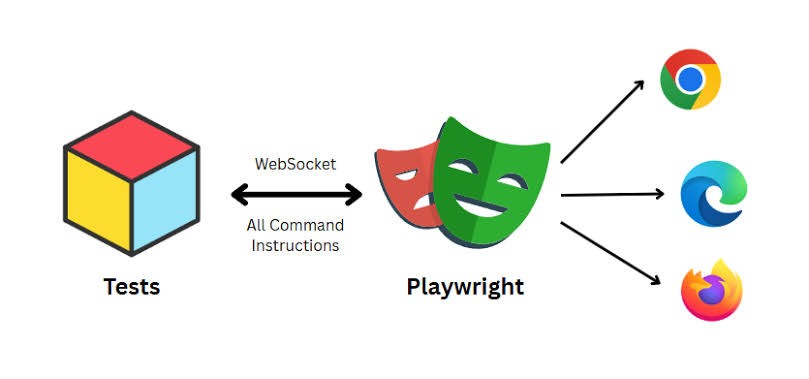
Playwright is rapidly becoming a top competitor to Selenium. Developed by Microsoft, it supports Chromium, Firefox, and WebKit with a unified API.
What Makes Playwright Unique
Playwright handles modern challenges like Shadow DOM, multiple tabs, and authentication flows seamlessly.
Pros
- Fast execution and parallel testing
- Built-in support for multiple browsers
- Handles dynamic web elements effectively
Cons
- Still growing community compared to Selenium
- Slight learning curve
Best suited for: Modern web applications and advanced testing scenarios
4. TestComplete – Enterprise-Level Automation
TestComplete is a commercial tool known for its robust enterprise features. It supports web, mobile, and desktop testing with both script-based and scriptless options.
Key Strength
Its AI-powered object recognition simplifies test creation and maintenance.
Pros
- Low-code and no-code support
- Strong reporting and analytics
- Supports multiple platforms
Cons
- Expensive for small teams
- Requires licensing
Best suited for: Enterprises with complex testing needs
5. Katalon Studio – All-in-One Testing Platform
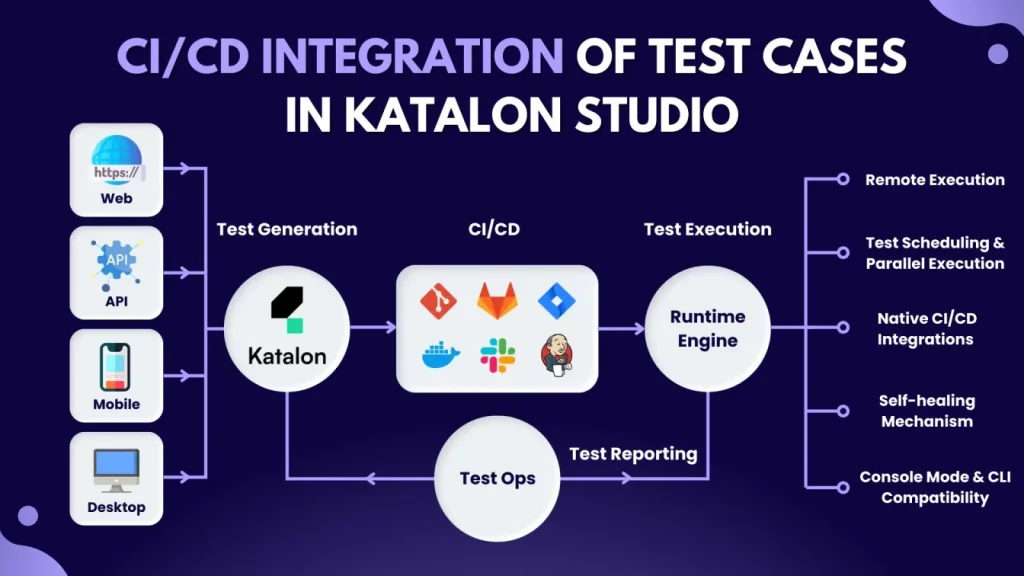
Katalon Studio offers a balanced mix of simplicity and power. It provides tools for web, mobile, API, and desktop testing in a single platform.
Why It Stands Out
Katalon is beginner-friendly while still offering advanced customization options.
Pros
- Easy setup and installation
- Built-in integrations
- Good community support
Cons
- Limited flexibility compared to Selenium
- Advanced features may require paid version
Best suited for: Beginners and mid-level testers
6. Appium – Mobile Testing King
Appium remains the go-to tool for mobile application automation. It supports both Android and iOS platforms using a unified API.
Real-World Advantage
Teams can reuse test scripts across platforms, reducing effort and cost.
Pros
- Open-source and flexible
- Supports multiple programming languages
- Cross-platform testing
Cons
- Setup can be complex
- Performance issues in large test suites
Best suited for: Mobile app developers and testers
7. Ranorex – User-Friendly Automation Tool
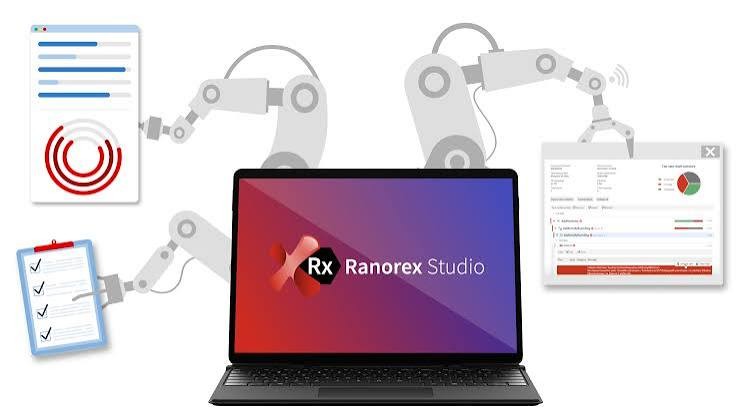
Ranorex is known for its ease of use and strong object recognition capabilities. It supports web, desktop, and mobile applications.
Why Choose Ranorex
Its intuitive interface makes it ideal for teams transitioning from manual to automation testing.
Pros
- Beginner-friendly
- Powerful object recognition
- Supports multiple platforms
Cons
- Paid tool
- Limited flexibility compared to open-source tools
Best suited for: Small to medium teams
8. LambdaTest – Cloud Testing Platform
LambdaTest provides a cloud-based testing environment that enables cross-browser testing at scale.
Key Advantage
It eliminates the need for maintaining physical infrastructure.
Pros
- Scalable cloud infrastructure
- Real device testing
- CI/CD integrations
Cons
- Requires internet dependency
- Subscription-based pricing
Best suited for: Teams using cloud-first strategies
9. Tricentis Tosca – Scriptless Enterprise Tool
Tosca is a model-based testing tool that focuses on reducing scripting efforts.
Why Enterprises Love Tosca
It enables faster test creation and maintenance with minimal coding.
Pros
- Scriptless automation
- Risk-based testing approach
- Strong enterprise features
Cons
- High cost
- Requires training
Best suited for: Large enterprises
10. Robot Framework – Flexible & Open Source
Robot Framework is widely used for keyword-driven testing and RPA.
What Makes It Unique
Its readable syntax makes it accessible even for non-programmers.
Pros
- Open-source and extensible
- Easy-to-read test cases
- Strong Python ecosystem
Cons
- Limited UI compared to commercial tools
- Requires setup effort
Best suited for: Acceptance testing and RPA
📊 Detailed Comparison Table
| Tool | Type | Platforms Covered | Coding Required | Scalability | Best Use Case |
|---|---|---|---|---|---|
| Selenium | Open-source | Web | Yes | High | Web apps |
| Cypress | Open-source | Web | Yes (JS) | Medium | Frontend |
| Playwright | Open-source | Web | Yes | High | Modern apps |
| TestComplete | Paid | Web, Mobile, Desktop | Optional | High | Enterprise |
| Katalon Studio | Freemium | Web, API, Mobile | Optional | Medium | All-in-one |
| Appium | Open-source | Mobile | Yes | Medium | Mobile apps |
| Ranorex | Paid | Web, Desktop, Mobile | Optional | Medium | SMB teams |
| LambdaTest | Cloud | Web | Yes | Very High | Cloud QA |
| Tosca | Paid | Enterprise systems | No | High | Enterprise |
| Robot Framework | Open-source | Web, API, RPA | Optional | Medium | Acceptance |
🔮 Future Trends in Automation Testing (2026 & Beyond)

Automation testing is heading toward a future dominated by AI and autonomous systems.
In the coming years, expect:
- Fully autonomous test execution
- AI-generated test cases from user behavior
- Voice-based testing commands
- Integration with generative AI tools
- Predictive bug detection
These innovations will drastically reduce manual effort and increase efficiency.
🧠 How to Choose the Right Tool
Choosing the right automation tool depends on your project requirements. There is no one-size-fits-all solution.
If you’re working on web applications, Selenium or Playwright are excellent choices. For frontend-heavy apps, Cypress is ideal. If your focus is mobile testing, Appium is the best option. Enterprises with large-scale systems should consider Tosca or TestComplete, while beginners can start with Katalon or Robot Framework.
✅ Conclusion
Automation testing in 2026 is smarter, faster, and more essential than ever. The right tool can significantly boost productivity, improve software quality, and accelerate release cycles.
Whether you’re a beginner, a startup, or an enterprise, selecting the right tool depends on your project complexity, budget, and team expertise.
If you’re starting your journey, begin with Selenium or Cypress, and gradually explore advanced tools like Playwright or Tosca as your needs grow.
If You Want to study Software Testing Course, or any other course & Internship visit www.kaashivinfotech.com