
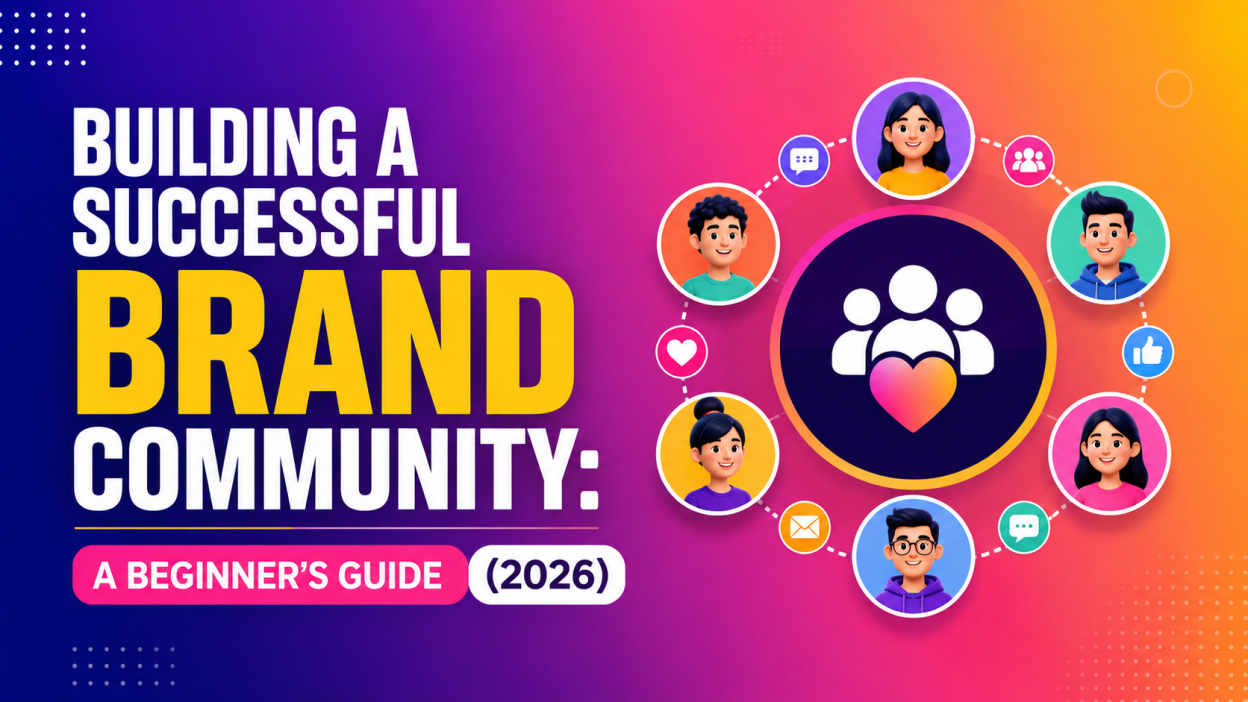
In the modern digital landscape, brands are no longer defined only by their products or services—they are defined by the people who believe in them. A successful brand today is one that creates connection, belonging, and shared identity. This is where a brand community becomes a game-changer.
Instead of constantly chasing new customers, smart brands focus on building a loyal ecosystem of people who advocate, engage, and grow with them. Whether you’re running a startup, personal brand, or a growing business, building a community can become your strongest long-term asset.
Let’s dive deep into how you can build a powerful brand community from scratch.
What is a Brand Community?

A brand community is a group of people who are emotionally connected to your brand and actively engage with it—and with each other. These people don’t just buy from you; they identify with your mission and values.
For example, companies like Apple Inc. have built communities where users feel proud to be part of the ecosystem. Similarly, Nike, Inc. doesn’t just sell shoes—it builds a lifestyle that millions connect with.
A true brand community goes beyond transactions. It creates conversations, trust, and long-term relationships.
Why Brand Communities Are More Important Than Ever
In 2026, consumers are overwhelmed with ads, offers, and promotions. Traditional marketing alone is no longer enough. People trust people more than brands, and communities bridge that gap.
When you build a strong community, your audience becomes your biggest marketing engine. They share experiences, recommend your brand, and defend it when needed. This organic trust is something money simply cannot buy.
A well-built community also gives you continuous feedback. Instead of guessing what your audience wants, you hear it directly from them. This helps you improve faster and stay relevant in a competitive market.
Understanding the Psychology Behind Communities
Before building a community, it’s important to understand why people join communities in the first place.
Humans naturally seek belonging. When people feel like they are part of something meaningful, they engage more deeply. A strong brand community taps into this psychological need by creating a shared identity.
Think about fitness groups, coding communities, or fandoms—people stay active because they feel seen, heard, and valued. Your brand should aim to create that same feeling.
Types of Brand Communities

Brand communities can take different forms depending on your goals and audience.
Some communities live on social media platforms like Instagram or Facebook, where people interact through posts and discussions. These are great for visibility and engagement.
Others are more focused on support and learning, such as forums or discussion boards where users help each other solve problems. Platforms like Reddit are perfect examples of this model.
There are also exclusive communities built around loyal fans or ambassadors. These members often promote your brand voluntarily and act as your strongest advocates.
Step-by-Step Guide to Building a Brand Community
Start with a Clear Purpose
Every successful community starts with a strong reason to exist. People will not join just because you ask them to—they join because they see value.
Your purpose could be helping people learn a skill, connecting like-minded individuals, or providing solutions to specific problems. When your purpose is clear, everything else—from content to engagement—becomes easier.
Know Your Audience Deeply
Understanding your audience is not optional—it is essential.
You need to know what they care about, what challenges they face, and what motivates them. When you speak their language and address their needs, your community naturally becomes more engaging.
The more personal your communication feels, the stronger your connection will be.
Choose the Right Platform
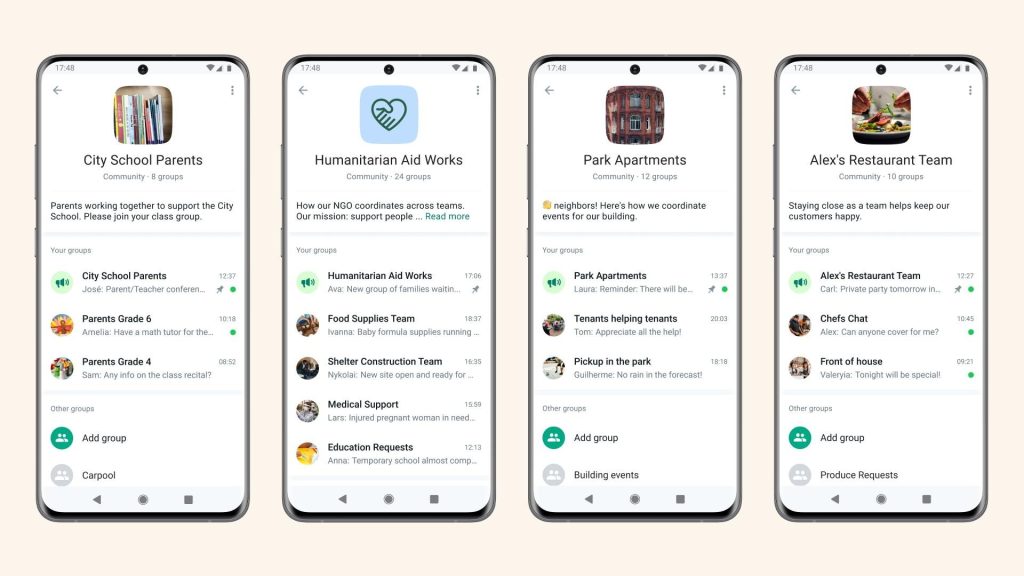
Choosing the right platform can make or break your community.
If your audience prefers real-time interaction, platforms like Discord or WhatsApp work well. For broader reach and discoverability, Facebook groups are highly effective.
The key is not to be everywhere, but to be where your audience already spends time.
Focus on Valuable and Consistent Content
Content is the fuel that keeps your community alive.
Instead of posting randomly, focus on content that educates, inspires, or entertains. Share insights, behind-the-scenes moments, and real stories from your journey. Encourage your members to contribute their own content as well.
Consistency builds trust. When people know you show up regularly, they are more likely to stay engaged.
Encourage Real Conversations
A community is not about broadcasting—it’s about interaction.
Ask open-ended questions, respond to comments, and create opportunities for discussions. The more people interact, the stronger the community becomes.
Make your members feel like their voice matters. When people feel heard, they stay.
Build Emotional Connections
The strongest communities are built on emotions, not transactions.
Celebrate your members’ achievements, recognize active participants, and create moments that people remember. Even simple gestures like replying personally or giving a shoutout can make a huge difference.
Brands like Glossier grew rapidly by focusing on relationships rather than just selling products.
Turn Members into Advocates
When people truly believe in your brand, they naturally promote it.
Encourage this by giving your loyal members special recognition, early access, or exclusive opportunities. These small rewards create a sense of ownership and pride.
Over time, your community members will start bringing in new people without you spending on ads.
Learn and Evolve Continuously
Your community is a goldmine of insights.
Pay attention to discussions, feedback, and common questions. This will help you improve your offerings and stay aligned with your audience’s needs.
Communities that evolve with their members are the ones that last.
Common Challenges and How to Overcome Them
Building a community is not always easy. One of the biggest challenges is low engagement in the beginning. This is normal. Every community starts small.
Instead of focusing on numbers, focus on quality interactions. Even if you have just ten members, make sure they feel valued.
Another common mistake is being too promotional. If your community feels like a sales channel, people will leave. Always prioritize value over selling.
Consistency is another challenge. Many communities fail because they are not maintained regularly. Treat your community like a long-term investment.
Real-World Examples of Successful Brand Communities

Brands across industries have successfully built strong communities.
LEGO encourages users to share their own creations, making customers part of the brand experience. Starbucks builds loyalty through personalized experiences and rewards. Meanwhile, Nike, Inc. creates fitness communities that inspire people to stay active together.
These brands succeed because they focus on connection, not just conversion.
Tools to Manage and Grow Your Community
As your community grows, managing it becomes more complex. Tools can help you stay organized and maintain engagement.
Platforms like Slack are ideal for professional communities, while Circle is great for building paid communities. Forum-based tools like Discourse help structure discussions, and messaging apps like Telegram are useful for quick updates and broadcasts.
Choosing the right tool depends on your community’s size and purpose.
Future Trends in Brand Communities
Looking ahead, brand communities will become even more personalized and technology-driven.
Artificial intelligence will help tailor experiences for individual members. Private communities will gain more importance as people seek meaningful interactions over public noise. Gamification, rewards, and virtual experiences will also play a bigger role in keeping communities engaged.
The brands that adapt to these trends early will have a significant advantage.
Final Thoughts
Building a successful brand community takes time, effort, and consistency. It’s not about quick results—it’s about long-term relationships.
If you focus on providing value, encouraging engagement, and building genuine connections, your community will grow naturally. Over time, it will become your brand’s most powerful asset.
Want to learn More about Marketing Management Kaashiv Infotech Offers Digital Marketing Course & More, Visit www.kaashivinfotech.com.