

Introduction
Have you ever wondered how your computer, phone, or smartwatch just works? The magic lies in the operating system (OS). It’s an invisible layer that sits between hardware and software and manages memory, files, security, and much more.
In this post, we are going to look at the OS types, including mobile OS types, their features as an OS, and help you choose which type of OS fits your needs.
What Is an Operating System?

An Operating System (OS) is software that manages hardware resources and provides services to other software applications. Without an operating system, your device would be a collection of misguided circuits. Examples of the most common operating systems are Windows, macOS, Linux, Android, and iOS.
Main OS Types
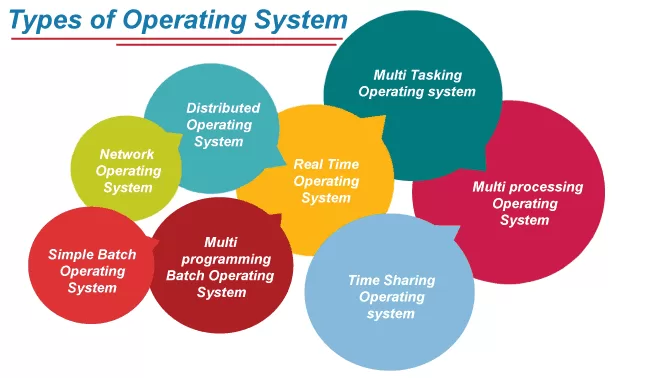
Below are the major os types you should know:
1. Batch Operating System
- One of the earliest types of operating systems.
- Executes jobs in batches with minimal user interaction.
- Used in mainframes for payroll, billing, or scientific tasks.
2. Time-Sharing Operating System
- Allows multiple users to share computing resources simultaneously.
- Common in educational & research environments.
3. Distributed Operating System
- Links several computers to work as one powerful system.
- Examples: Amoeba, LOCUS.
4. Network Operating System
- Manages servers and networked devices.
- Examples: Novell NetWare, Microsoft Windows Server.
5. Real-Time Operating System (RTOS)
- Prioritizes quick response to events, used in robotics, medical devices, or flight control.
6. Embedded Operating System
- Built into gadgets like printers, routers, ATMs, smart TVs.
7. Desktop / Personal Computer OS
- Windows, macOS, Linux dominate this category.
- Ideal for office work, gaming, design, and personal tasks.
Mobile OS Types
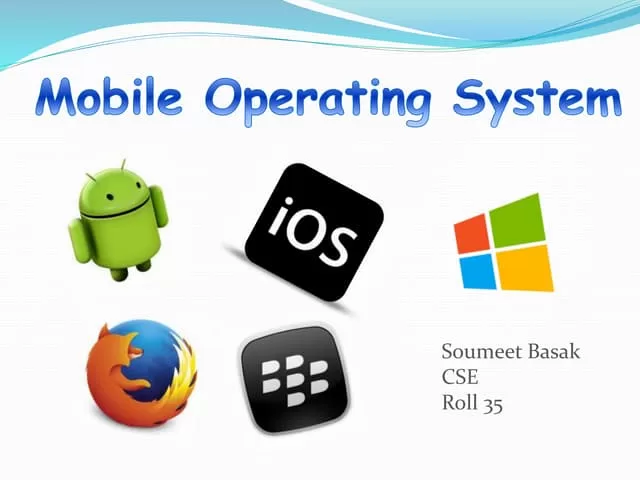
When it comes to phones and tablets, mobile os types shine:
1. Android
- Open-source, customizable, supports millions of apps.
- Powers smartphones, tablets, smart TVs, and even cars.
2. iOS
- Exclusive to Apple devices (iPhone, iPad).
- Known for stability, security, and tight integration.
3. HarmonyOS / Other Alternatives
- Huawei’s HarmonyOS, Samsung’s Tizen, and Google’s WearOS cater to smart devices and wearables.
💡 Tip: Mobile OS selection affects app availability, updates, and security. Always choose one that matches your workflow and privacy needs.
How to Choose the Right OS

- For a personal computer: Windows is the best fit for novice users and gamers, macOS is mainly for creatives, and Linux is preferred by developers and the privacy conscious.
- For mobile devices: Android is preferable if you want variety, but iOS is generally more polished and secure.
- For industrial or IoT devices: think about RTOS or embedded systems.
Advantages of Understanding OS Types
- Assist with Intelligent technology purchasing.
- An essential understanding for college students studying computer science and Information Technology.
- Provide advice for businesses on server selection or targeting an audience with a mobile app.
Quick Comparison Table
| OS Type | Best Use Case | Examples |
| Batch OS | Large-scale jobs | IBM Mainframes |
| Time-Sharing OS | Multi-user setups | UNIX |
| Distributed OS | Cloud / clusters | Amoeba |
| Network OS | Servers | Windows Server |
| Real-Time OS | Robotics, IoT | VxWorks |
| Embedded OS | Appliances | QNX |
| Desktop OS | Personal use | Windows, Linux |
| Mobile OS Types | Phones, tablets | Android, iOS |
Frequently Asked Questions
Q1: Which type of OS is the most common for desktops?
Windows is the most common operating system for desktops around the world, followed by macOS and Linux.
Q2: What mobile OS type is safest?
iOS is highly secure, thanks to Apple’s closed ecosystem. Android is also a safe OS, while being flexible in the possible distribution and use of applications, but security is completely dependent on the user.
Q3: Is Linux an OS type?
Yes, the Linux operating system is comprised of a family of open-source operating systems that is available for PCs, servers, and embedded devices.
Conclusion
Understanding the difference in os types, from batch processing systems to modern mobile os types, gives you a foundation to understand the technology that powers our world. Whether you are determining which smartphone to purchase, configuring servers, or diving into your college studies in Information Technology, knowing the strengths of each operating systems will help you make more informed decisions.