The Popular Java Tools for Every Phase of Development (2026 Guide)
Java remains one of the most powerful and widely used programming languages in the world. From enterprise-grade backend systems to Android applications and cloud-native microservices, Java continues to dominate across multiple domains. However, writing efficient Java applications is not just about mastering the language—it’s also about using the right tools at each stage of development.
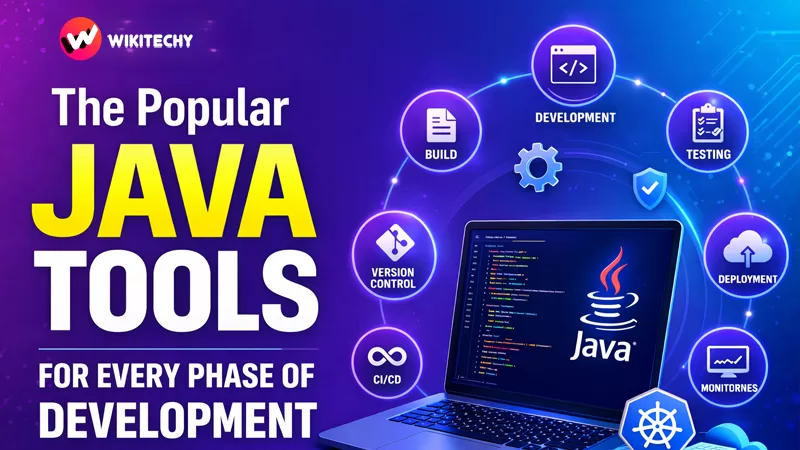
In this comprehensive guide, we’ll explore the most popular Java tools used across every phase of the software development lifecycle—from coding and building to testing, deployment, and monitoring.
Introduction to Java Development Ecosystem
The Java ecosystem has evolved tremendously over the years. With the rise of DevOps, cloud computing, and microservices architecture, developers now rely on a wide range of tools to streamline workflows, improve code quality, and accelerate delivery.
Each phase of development requires specialized tools that help developers work smarter, not harder. Let’s break down these phases and explore the best tools for each.
Popular Java Tools
1. Development Phase (Coding & Writing Code)
The development phase is where ideas are transformed into code. Having a powerful Integrated Development Environment (IDE) can significantly improve productivity.
Popular Java IDEs
- IntelliJ IDEA
One of the most popular IDEs among Java developers, IntelliJ IDEA offers intelligent code completion, powerful debugging, and seamless integration with frameworks like Spring. - Eclipse IDE
A long-standing favorite, Eclipse is open-source and highly customizable with plugins, making it suitable for large-scale enterprise development. - Apache NetBeans
Known for its simplicity and built-in tools, NetBeans is beginner-friendly and supports rapid application development.
Why These Tools Matter
These IDEs help developers write cleaner code, detect errors early, and boost productivity with features like refactoring, syntax highlighting, and version control integration.
2. Build & Dependency Management

Once code is written, it needs to be compiled, packaged, and managed efficiently. Build tools automate this process.
Top Build Tools
- Apache Maven
Uses XML-based configuration and is widely used for managing dependencies and project builds. - Gradle
A modern build tool that uses Groovy or Kotlin DSL, offering faster builds and greater flexibility. - Apache Ant
One of the earliest build tools, still used in legacy systems.
Key Benefits
These tools ensure consistent builds, simplify dependency management, and integrate easily with CI/CD pipelines.
3. Version Control Systems
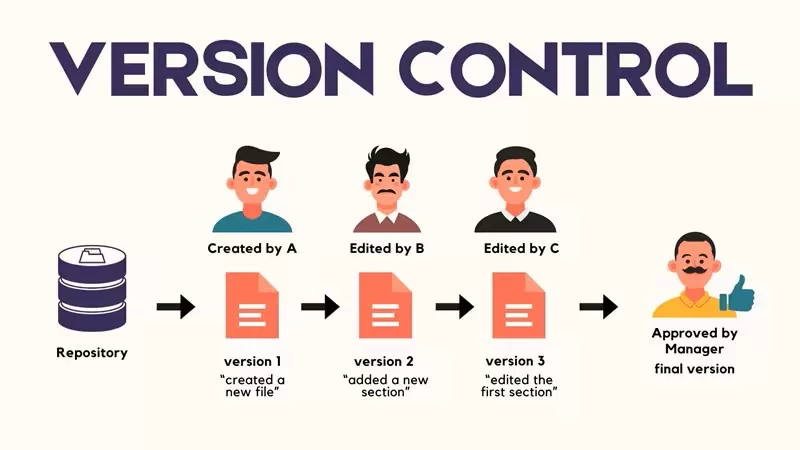
Version control is essential for collaboration and tracking changes in code.
Widely Used Tools
- Git
The most widely used distributed version control system in the world. - GitHub
A platform built on Git that allows developers to collaborate, manage repositories, and review code. - GitLab
Provides built-in CI/CD pipelines along with repository management.
Importance
These tools help teams collaborate efficiently, maintain code history, and manage multiple versions of a project.
4. Testing Tools
Testing ensures that the application works as expected and is free from critical bugs.
Popular Java Testing Frameworks
- JUnit
The most commonly used testing framework for unit testing in Java. - TestNG
Offers more advanced features like parallel test execution and flexible configurations. - Mockito
Used for mocking objects during unit testing.
Why Testing Tools Are Crucial
They improve code quality, reduce bugs, and ensure reliability before deployment.
5. Continuous Integration & Continuous Deployment (CI/CD)
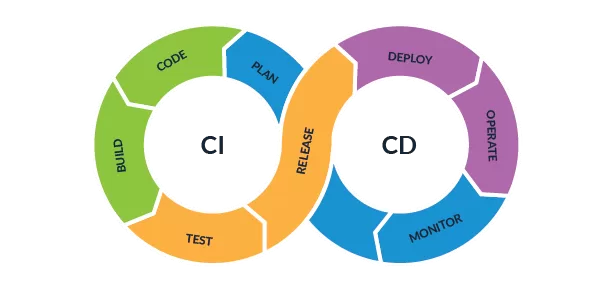
CI/CD tools automate the process of building, testing, and deploying applications.
Leading CI/CD Tools
- Jenkins
One of the most popular open-source CI/CD tools with a vast plugin ecosystem. - CircleCI
A cloud-based CI/CD tool known for speed and scalability. - GitHub Actions
Enables automation directly within GitHub repositories.
Benefits
CI/CD tools reduce manual effort, improve deployment speed, and ensure continuous delivery of updates.
6. Containerization & Deployment
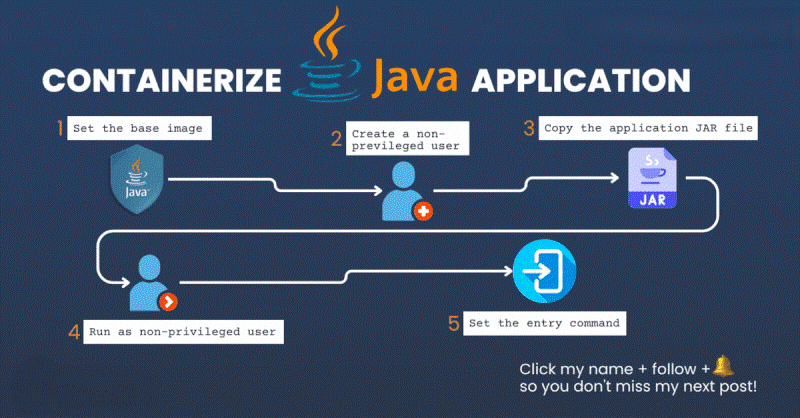
Modern Java applications often run in containers and cloud environments.
Essential Tools
- Docker
Allows developers to package applications and dependencies into containers. - Kubernetes
Manages containerized applications at scale.
Why They Matter
They ensure consistency across environments and enable scalable deployments.
7. Monitoring & Performance Tools
After deployment, monitoring tools help track application performance and detect issues.
Popular Monitoring Tools
- Prometheus
An open-source tool for collecting and querying metrics. - Grafana
Used to visualize metrics collected by tools like Prometheus. - New Relic
A commercial tool that provides deep insights into application performance.
Importance
Monitoring ensures system stability, helps identify bottlenecks, and improves user experience.
8. Frameworks That Power Java Development
While not exactly “java tools,” frameworks play a crucial role in speeding up development.
Popular Java Frameworks
- Spring Boot
Simplifies building production-ready applications quickly. - Hibernate
Handles database interactions efficiently.
Role in Development
Frameworks reduce boilerplate code, improve maintainability, and accelerate development cycles.
Conclusion
Java development is no longer just about writing code—it’s about leveraging a complete ecosystem of tools that support every phase of the development lifecycle. From powerful IDEs like IntelliJ IDEA to deployment tools like Docker and monitoring solutions like Prometheus, each java tools plays a critical role in building robust and scalable applications.
Choosing the right combination of java tools depends on your project requirements, team size, and development goals. By mastering these tools, developers can significantly enhance productivity, improve code quality, and stay competitive in today’s fast-paced tech landscape.
Want to Learn More About Java ?, Kaashiv Infotech Offers, Full Stack Java Course, Java Course, Data Science Course, Internships & More, Visit Their Website www.kaashivinfotech.com.
Related Reads: