
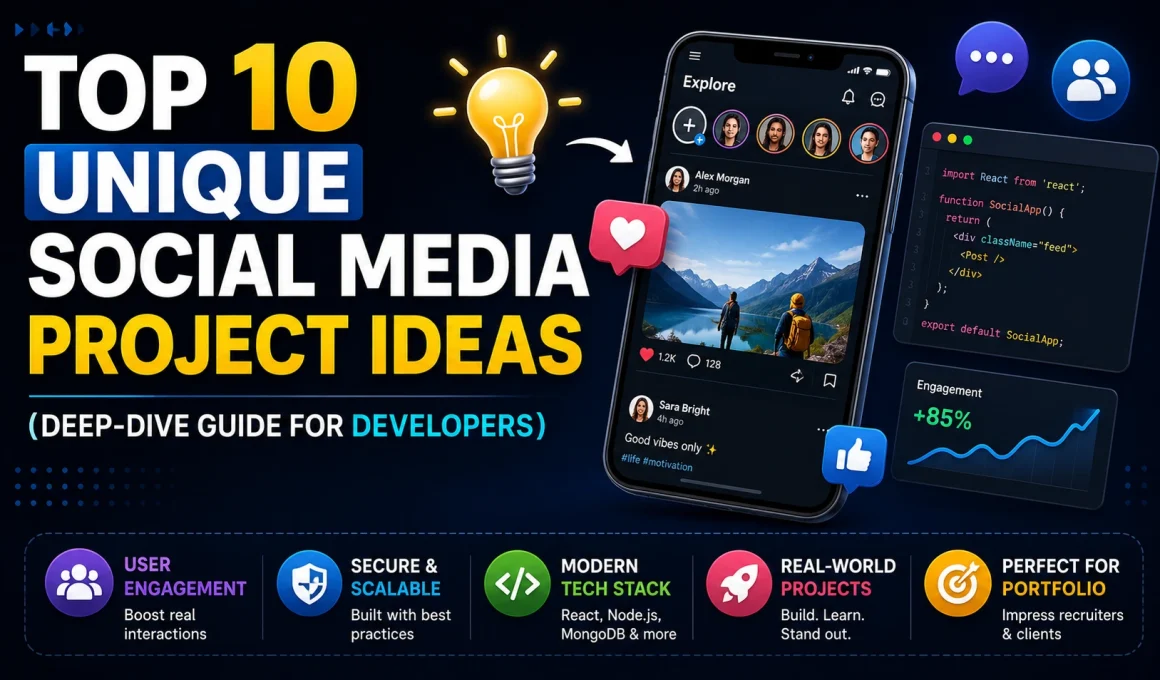
Most developers still build the same social media clones—feeds, chats, and basic networking apps. While those are useful for learning, they don’t help you stand out anymore. In 2026, companies and clients are looking for developers who can think differently, solve real problems, and build meaningful digital experiences.
This article focuses on 10 truly unique social media project ideas with expanded concepts, so you not only understand what to build—but also why it matters, how it works, and how you can make it exceptional.
Unique Social Media Project Ideas in 2026
1. Time Capsule Social Network ⏳
Concept (Deep Dive):
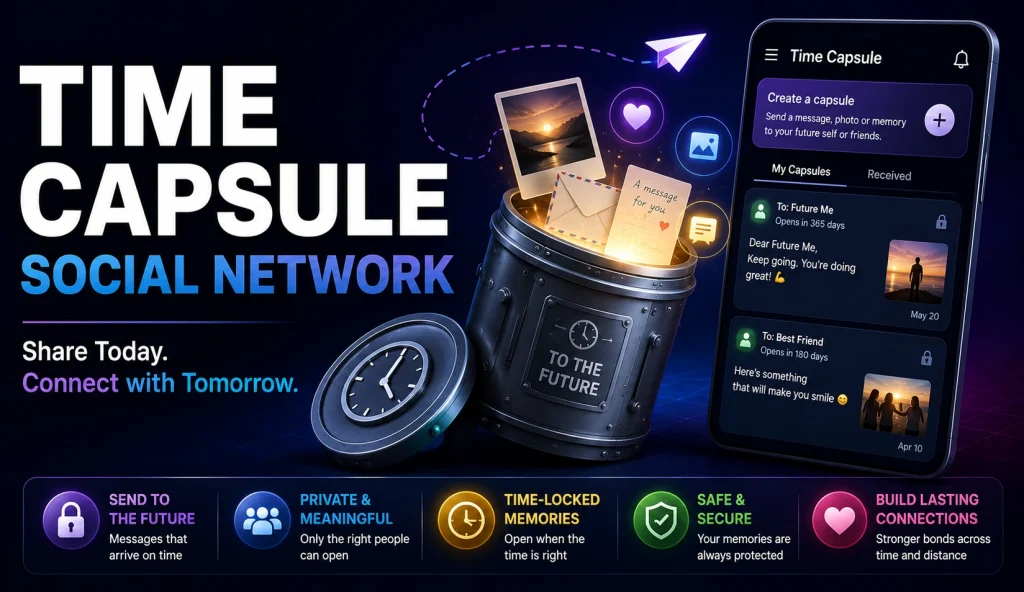
Imagine a platform where users don’t post for instant likes—but for the future. This app allows users to create content (messages, photos, videos, or even voice notes) that remains locked until a specific date. It transforms social media into a long-term emotional archive rather than a short-term dopamine system.
Users can write messages to their future selves, loved ones, or even the public. For example, someone could create a “5-year career prediction” post or a “letter to my future self.” When the unlock date arrives, the content becomes visible, creating a powerful emotional and reflective experience.
This idea introduces a completely new dimension: time-delayed communication, which is rarely explored in social platforms.
Features:
- Time-locked posts with countdown timers
- Public or private capsules
- Group capsules (shared memories)
- Unlock notifications
- Memory timeline visualization
Why It Stands Out:
It shifts focus from instant gratification to meaningful digital memories.
2. Emotion-Based Social Platform 🧠
Concept (Deep Dive):
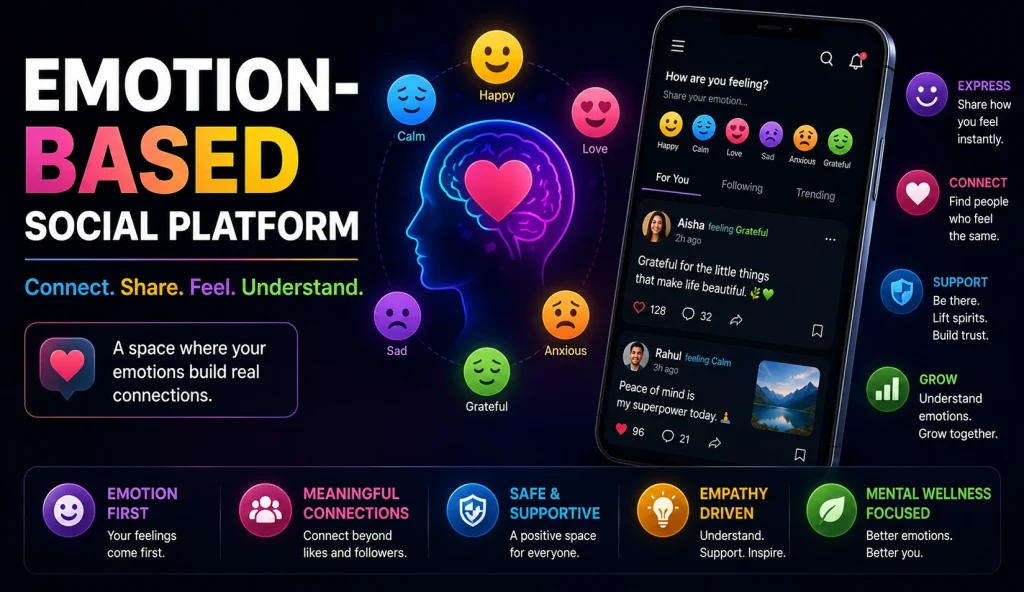
Instead of sharing curated posts, users share how they feel. This platform revolves around human emotions—happiness, stress, loneliness, excitement—and connects users based on their current mental state.
Users can log emotions manually or through AI (via text or voice analysis). The feed is then personalized based on emotional similarity rather than algorithms driven by engagement.
For example, someone feeling anxious can connect with others experiencing similar emotions or find supportive communities. Over time, the platform builds an emotional history, helping users understand patterns in their mental health.
This turns social media into a digital emotional support system rather than a highlight reel.
Features:
- Mood-based posting system
- Emotion detection using NLP
- Anonymous support groups
- Mood tracking analytics
- Emotion-based feed algorithm
Why It Stands Out:
Focuses on mental health and human connection, not vanity metrics.
3. Truth Score Social Platform 🕵️
Concept (Deep Dive):
In a world filled with misinformation, this platform introduces a credibility-first social network. Every piece of content is assigned a “truth score” based on multiple factors: source reliability, community validation, and AI-based fact-checking.
Instead of blindly trusting posts, users can see a credibility meter that evolves over time. For instance, a breaking news post may start with low confidence and increase as verified sources confirm it.
Users can contribute by adding sources, voting on authenticity, or flagging misleading information. This creates a collaborative fact-checking ecosystem.
This platform flips the current model—from engagement-first to accuracy-first social media.
Features:
- AI-powered fact-checking
- Source linking system
- Community validation votes
- Misinformation alerts
- Transparency dashboard
Why It Stands Out:
Solves a real global issue—fake news and misinformation.
4. Voice-First Social Media Platform 🎤
Concept (Deep Dive):
Typing and visuals dominate social media, but human communication is naturally vocal. This platform removes text and images entirely, focusing only on voice-based interaction.
Users post audio clips instead of text updates, and others respond with voice replies. Tone, emotion, and personality become central to communication, making interactions more authentic.
The platform can include features like auto-transcription, voice tagging, and emotion detection from speech. It also opens opportunities for accessibility, especially for users who prefer speaking over typing.
This project redefines social interaction by prioritizing how something is said, not just what is said.
Features:
- Voice posts and replies
- Auto transcription
- Voice-based reactions
- Audio feed UI
- Speech emotion analysis
Why It Stands Out:
Brings back human authenticity in digital communication.
5. Hyperlocal Anonymous Network 📍
Concept (Deep Dive):
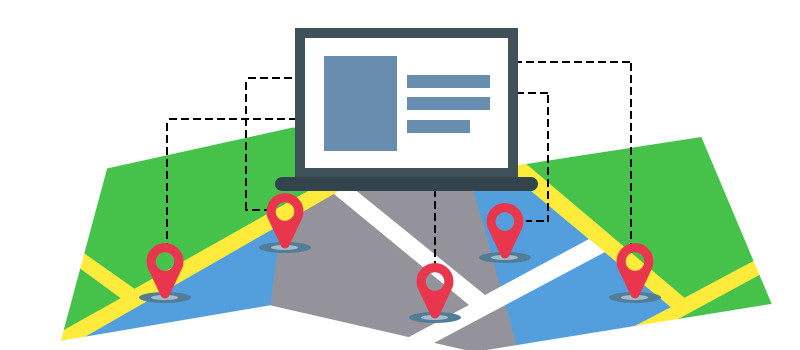
This platform connects people within a very small geographic area (like 1–2 km), allowing them to communicate anonymously about local issues, events, or discussions.
Unlike global platforms, this app focuses on real-world proximity-based interaction. For example, users in a college campus or neighborhood can discuss events, share alerts, or ask for help—without revealing identity.
It blends digital networking with physical communities, making social media more relevant to everyday life.
Features:
- Location-restricted feed
- Anonymous posting
- Local alerts & discussions
- Event sharing
- Temporary posts
Why It Stands Out:
Creates real-world impact through local digital communities.
6. AI Personal Social Network 🤖
Concept (Deep Dive):
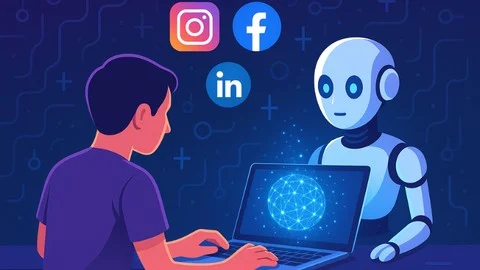
In this futuristic platform, users create an AI version of themselves that interacts with others. This “digital persona” learns from the user’s behavior, tone, and preferences, eventually becoming a virtual extension of them.
Even when users are offline, their AI persona can respond to messages, engage in discussions, and maintain their presence. Over time, it evolves into a highly personalized digital identity.
This raises interesting questions about identity, presence, and the future of human-AI interaction in social spaces.
Features:
- AI personality training
- Auto-generated replies
- Persona customization
- Interaction logs
- AI vs human mode
Why It Stands Out:
Explores the future of AI-driven identity and communication.
7. Goal-Oriented Social Platform 🎯

Concept (Deep Dive):
Instead of endless scrolling, this platform is built around personal growth and accountability. Users join based on goals—fitness, coding, learning, business—and connect with others on the same journey.
Each user tracks progress, shares milestones, and collaborates with accountability partners. The social feed becomes a place for motivation rather than distraction.
This transforms social media into a productivity and growth ecosystem.
Features:
- Goal tracking dashboards
- Accountability matching
- Progress sharing
- Milestone rewards
- Habit analytics
Why It Stands Out:
Turns social media into a tool for self-improvement.
8. Puzzle-Based Social Platform 🧩

Concept (Deep Dive):
This platform gamifies social interaction by requiring users to solve puzzles to access content or interact with others.
For example, a post might be locked behind a riddle or logic challenge. Users who solve it gain access to exclusive content or conversations.
This creates a community of thinkers and adds a layer of intellectual engagement to social media, which is usually passive.
Features:
- Puzzle-locked posts
- Daily challenges
- Leaderboards
- Gamified rewards
- Community competitions
Why It Stands Out:
Combines gaming + intelligence + social interaction.
9. Reverse Social Media Platform 🔄
Concept (Deep Dive):
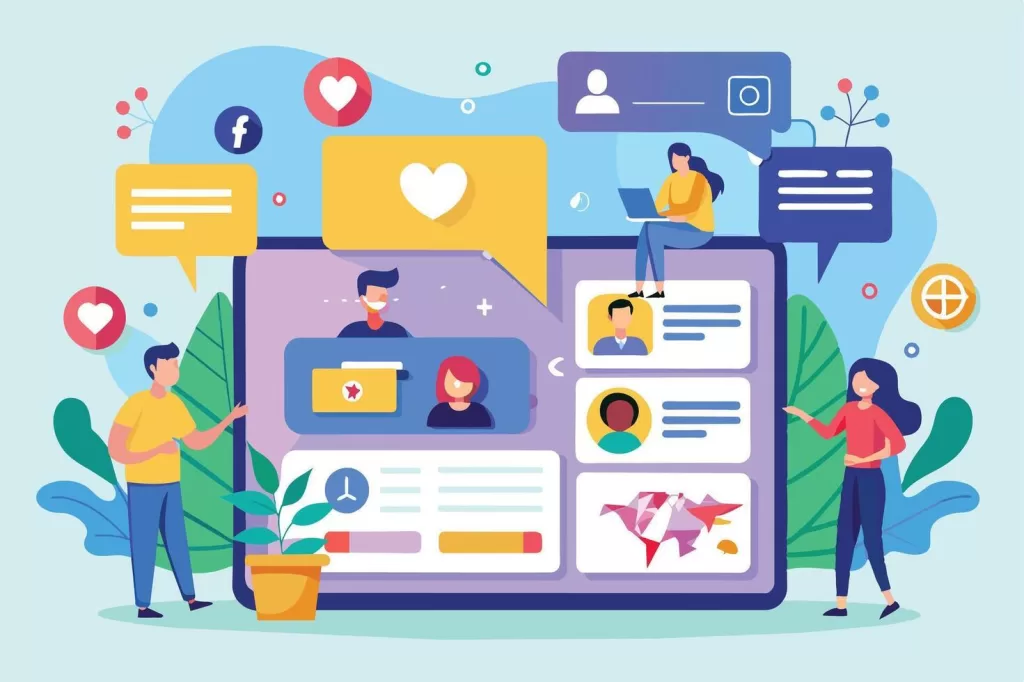
Instead of posting content for others to consume, users post requests—questions, needs, or challenges—and the community responds.
For example:
- “Explain this coding concept”
- “Give me startup ideas”
- “Help me design a logo”
The platform becomes a problem-solving ecosystem, where value is created through responses rather than posts.
This flips the traditional content model into a demand-driven interaction system.
Features:
- Request-based posts
- Response ranking system
- Expert tagging
- Reward mechanisms
- Solution threads
Why It Stands Out:
Focuses on useful interaction instead of passive consumption.
10. Slow Social Media Platform 🧘

Concept (Deep Dive):
Modern social media is addictive by design. This platform intentionally slows everything down.
Users can:
- Post only once per day
- Scroll for a limited time
- See a finite number of posts
The goal is to encourage mindful usage and reduce digital overload. Instead of endless feeds, users engage more deeply with limited content.
It’s a bold concept that challenges the very foundation of traditional platforms.
Features:
- Daily posting limits
- Time-restricted usage
- No infinite scrolling
- Mindful interaction tracking
- Digital wellness insights
Why It Stands Out:
Promotes healthy digital habits, a growing global concern.
Final Thoughts
If you want to stand out in 2026, don’t just build apps—build ideas that challenge how social media works.
These projects go beyond basic functionality and explore:
- Human emotions
- AI-driven identity
- Mental health
- Productivity
- Authentic communication
Pick one idea, go deep, add your own twist, and most importantly—build it fully and deploy it.
Want to Learn More ? Kaashiv Infotech Offers Full Stack Python Course, Artificial Intelligence Course, Data Science Course & More Visit Their Website course.kaashivinfotech.com.