
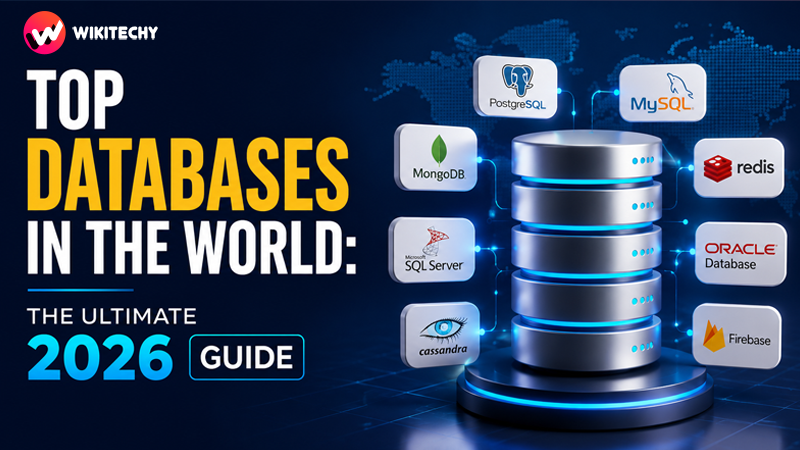
In today’s data-driven world, databases are the backbone of almost every application you use—whether it’s social media, banking systems, e-commerce platforms, or AI-powered tools. As we step into 2026, the database ecosystem has evolved significantly, blending traditional reliability with modern scalability, cloud-native architectures, and real-time processing.
This guide explores the top databases in the world in 2026, how they work, and why they continue to dominate the tech landscape.
Why Databases Matter More Than Ever
Data is no longer just stored—it’s analyzed, streamed, and used for intelligent decision-making in real time. Modern applications demand:
- High performance and low latency
- Scalability across millions of users
- Strong security and data consistency
- Cloud compatibility and distributed systems
Databases are the engines that make all of this possible.
1. MySQL – The Evergreen Open-Source Giant
MySQL continues to be one of the most widely used relational database systems in the world. Its simplicity, reliability, and strong community support make it a favorite for startups and enterprises alike.
It operates on a structured format using tables, rows, and columns, and relies on SQL (Structured Query Language) for data operations. MySQL is especially popular in web development, powering platforms like WordPress and many SaaS applications.
How it works:
MySQL stores data in structured tables and uses indexing to quickly retrieve information. It follows the ACID properties, ensuring reliable transactions.
Tech Stack:
- Backend: PHP, Java, Python, Node.js
- Tools: MySQL Workbench, phpMyAdmin
- Hosting: AWS RDS, Google Cloud SQL
2. PostgreSQL – Advanced and Developer-Friendly

PostgreSQL is known for its robustness and advanced features. It’s an open-source relational database that supports both SQL and JSON, making it highly versatile.
Developers love PostgreSQL for its extensibility and compliance with standards. It’s widely used in fintech, analytics platforms, and enterprise applications.
How it works:
PostgreSQL uses a powerful query planner and supports complex queries, indexing methods, and custom functions.
Tech Stack:
- Languages: Python, Java, Go
- Tools: pgAdmin, DBeaver
- Extensions: PostGIS (for geospatial data)
3. MongoDB – The NoSQL Leader
MongoDB is a NoSQL database designed for flexibility and scalability. Instead of tables, it stores data in JSON-like documents, making it ideal for modern applications.
It’s widely used in applications that require rapid development and handling of unstructured data.
How it works:
MongoDB stores data in collections of documents, allowing dynamic schemas. It supports horizontal scaling through sharding.
Tech Stack:
- Backend: Node.js, Python, Java
- Tools: MongoDB Compass
- Cloud: MongoDB Atlas
4. Oracle Database – Enterprise Powerhouse
Oracle Database is a highly secure and scalable relational database used by large enterprises. It’s known for handling massive workloads and mission-critical systems.
Banks, government organizations, and large corporations rely on Oracle for its reliability and performance.
How it works:
Oracle uses advanced indexing, partitioning, and in-memory processing to handle large-scale data efficiently.
Tech Stack:
- Languages: Java, PL/SQL
- Tools: Oracle SQL Developer
- Cloud: Oracle Cloud Infrastructure
5. Microsoft SQL Server – Enterprise + Integration
Microsoft SQL Server is a powerful relational database widely used in enterprise environments, especially those built on Microsoft technologies.
It integrates seamlessly with tools like Power BI, Azure, and .NET frameworks.
How it works:
SQL Server uses a relational engine with strong support for analytics, reporting, and business intelligence.
Tech Stack:
- Languages: C#, .NET
- Tools: SSMS (SQL Server Management Studio)
- Cloud: Azure SQL Database
6. Redis – Lightning-Fast In-Memory Database

Redis is an in-memory data store used as a database, cache, and message broker. It’s extremely fast and ideal for real-time applications.
It’s commonly used for caching, session management, and real-time analytics.
How it works:
Redis stores data in memory instead of disk, enabling ultra-fast read and write operations.
Tech Stack:
- Languages: Python, Node.js, Java
- Use cases: Caching, Pub/Sub messaging
- Cloud: AWS ElastiCache
7. Cassandra – Built for Massive Scale
Apache Cassandra is a distributed NoSQL database designed for handling large volumes of data across multiple servers.
It’s used by companies like Netflix and Facebook for high availability and fault tolerance.
How it works:
Cassandra distributes data across nodes in a cluster, ensuring no single point of failure.
Tech Stack:
- Languages: Java
- Query Language: CQL (Cassandra Query Language)
- Use cases: Big data, IoT, real-time analytics
8. Firebase Realtime Database – Real-Time App Favorite
Firebase Realtime Database is a cloud-hosted NoSQL database by Google that allows real-time data synchronization.
It’s especially popular for mobile and web applications.
How it works:
Data is stored as JSON and synced across clients instantly using WebSockets.
Tech Stack:
- Platforms: Android, iOS, Web
- Backend: Firebase SDK
- Cloud: Google Firebase
9. SQLite – Lightweight and Embedded
SQLite is a lightweight, serverless database stored in a single file. It’s widely used in mobile apps, embedded systems, and small applications.
How it works:
SQLite operates without a server, directly reading and writing to a file on disk.
Tech Stack:
- Languages: C, Python, Java
- Use cases: Mobile apps, local storage
10. Neo4j – Graph Database for Connected Data
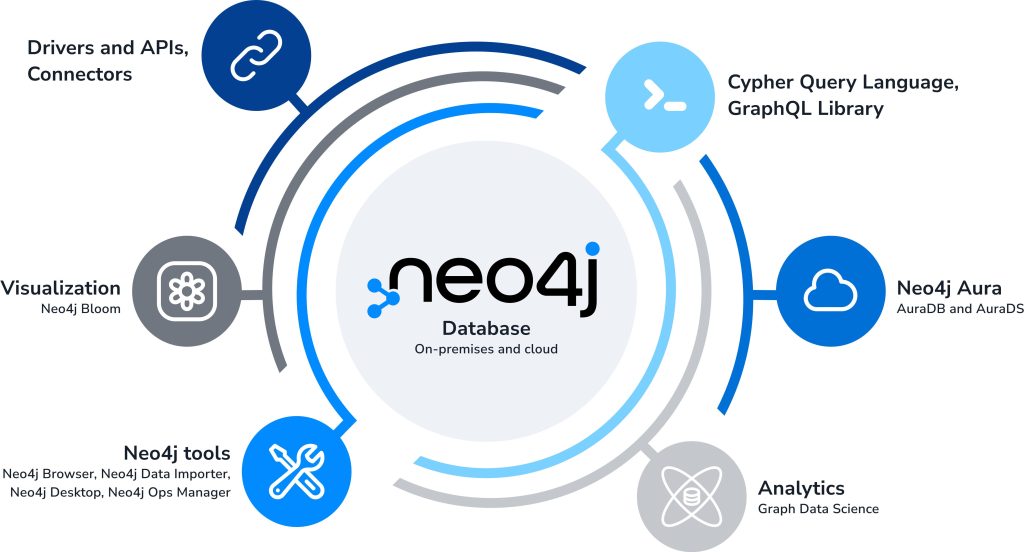
Neo4j is a graph database designed to handle highly connected data, such as social networks, recommendation systems, and fraud detection.
How it works:
It stores data as nodes and relationships, making it easy to query complex connections.
Tech Stack:
- Query Language: Cypher
- Languages: Java, Python
- Use cases: AI, recommendation engines
Final Thoughts
The database landscape in 2026 is more diverse than ever. There’s no “one-size-fits-all” solution—each database is designed for specific needs:
- Relational databases like MySQL and PostgreSQL excel in structured data and transactions
- NoSQL databases like MongoDB and Cassandra handle flexibility and scalability
- In-memory systems like Redis deliver speed
- Specialized databases like Neo4j unlock new possibilities with connected data
Choosing the right database depends on your project requirements, scalability goals, and development ecosystem.
If you’re building modern applications in 2026, understanding these databases isn’t just useful—it’s essential.
Kaashiv Infotech Offers, SQL Course, SQL Internship & More Visit Our website www.kaashivinfotech.com.