

What Is Hacking? Types of Hacking & More is one of the most searched cybersecurity topics today—and for good reason. Almost every week, we hear about data breaches, stolen passwords, hacked social media accounts, or cyberattacks on large organizations.
If you’ve ever wondered what hacking really is, who hackers are, and whether hacking is always illegal, you’re in the right place.
In this guide, I’ll explain What Is Hacking? Types of Hacking & More in simple language. No confusing technical jargon. Just clear explanations, real-life examples, and practical insights that helped me understand cybersecurity when I first started learning it.
⭐ Key Highlights
- Learn what hacking is in simple terms
- Understand how hackers work
- Discover the major types of hacking
- Learn the different types of hackers
- Explore real-world hacking examples
- Understand the risks of cyberattacks
- Learn how to protect yourself online
- Find out why ethical hacking is important
What Is Hacking?
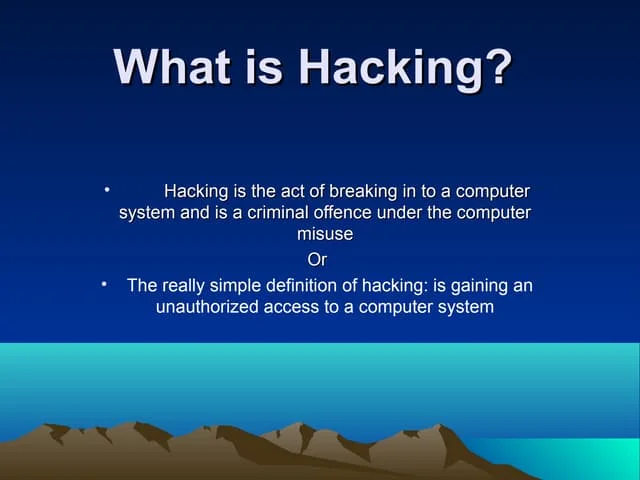
Hacking is the process of finding and exploiting weaknesses in a computer system, network, website, or application to gain access, control, or information.
Simply put, hacking means trying to access something that you normally shouldn’t have access to.
When I first heard the word “hacker,” I imagined someone wearing a hoodie in a dark room typing random code. Movies made it look dramatic. The reality is very different.
A hacker could be:
- A cybersecurity professional testing security
- A criminal stealing data
- A researcher discovering vulnerabilities
- Someone trying to learn how systems work
The intention behind the action matters.
Simple Example
Imagine your house has a weak lock.
A thief discovers the weakness and breaks in. That’s malicious hacking.
A security expert discovers the same weakness and tells you how to fix it. That’s ethical hacking.
The technique may be similar, but the purpose is completely different.
Why Does Hacking Happen?

People hack systems for different reasons.
Some common reasons include:
- Financial gain 💰
- Stealing personal information
- Corporate espionage
- Political motives
- Revenge
- Curiosity
- Security testing
- Learning cybersecurity
Unfortunately, cybercriminals often target organizations because valuable data can be sold for money.
Types of Hacking
When discussing What Is Hacking? Types of Hacking & More, it’s important to understand that hacking isn’t limited to computers.
Let’s explore the major types of hacking.
1. Website Hacking
Website hacking involves gaining unauthorized access to a website.
Attackers may:
- Deface web pages
- Steal customer data
- Inject malicious code
- Redirect visitors to fake websites
For example, if an online shopping website gets hacked, customer information such as names, emails, and passwords may be exposed.
2. Network Hacking
Network hacking targets computer networks.
Hackers attempt to:
- Intercept data
- Access private systems
- Monitor communications
- Steal sensitive information
Organizations invest heavily in network security because their entire business often depends on it.
3. Email Hacking
Email accounts contain a surprising amount of personal information.
A hacked email account can provide access to:
- Password reset links
- Banking information
- Personal conversations
- Business documents
I’ve seen people lose access to multiple online accounts simply because their email account was compromised.
4. Mobile Phone Hacking
Smartphones have become digital wallets.
Hackers may target phones to:
- Steal personal information
- Access banking apps
- Track locations
- Install malware
Since most of us use our phones daily, securing mobile devices has become more important than ever.
5. Social Media Hacking
Social media accounts are attractive targets.
Hackers may:
- Spread scams
- Send phishing messages
- Damage reputations
- Steal personal data
We’ve all seen accounts suddenly posting suspicious cryptocurrency promotions. That’s often a sign of account compromise.
6. IoT Device Hacking
IoT stands for Internet of Things.
Examples include:
- Smart TVs
- Smart cameras
- Smart speakers
- Smart home devices
Many users forget these devices are connected to the internet, making them potential targets.
Types of Hackers
A complete guide on What Is Hacking? Types of Hacking & More would be incomplete without discussing hackers themselves.
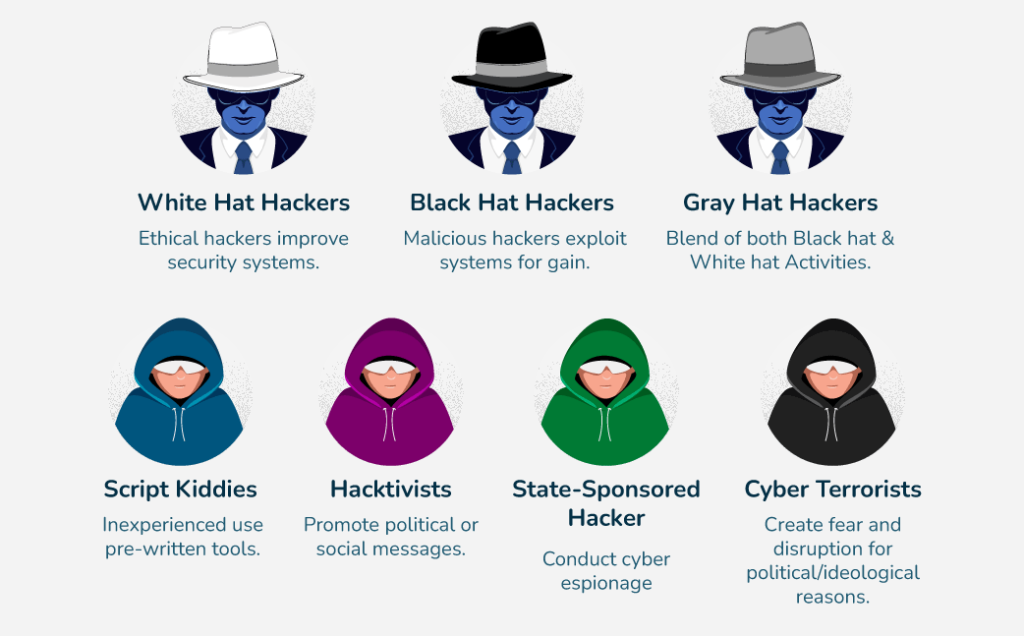
⚪ White Hat Hackers
White Hat Hackers are ethical hackers.
They:
- Test security systems legally
- Find vulnerabilities
- Help organizations improve security
Many companies hire ethical hackers to identify weaknesses before criminals find them.
⚫ Black Hat Hackers
Black Hat Hackers use their skills for illegal purposes.
Their goals often include:
- Financial theft
- Data breaches
- Identity theft
- Malware attacks
These are the hackers most people think about when hearing the term “hacker.”
⚪⚫ Gray Hat Hackers
Gray Hat Hackers operate somewhere between ethical and unethical behavior.
They may:
- Discover vulnerabilities without permission
- Inform organizations afterward
- Not always seek financial gain
Their actions can still create legal issues even if their intentions aren’t malicious.
Common Hacking Techniques
Understanding common hacking techniques helps explain What Is Hacking? Types of Hacking & More more clearly.
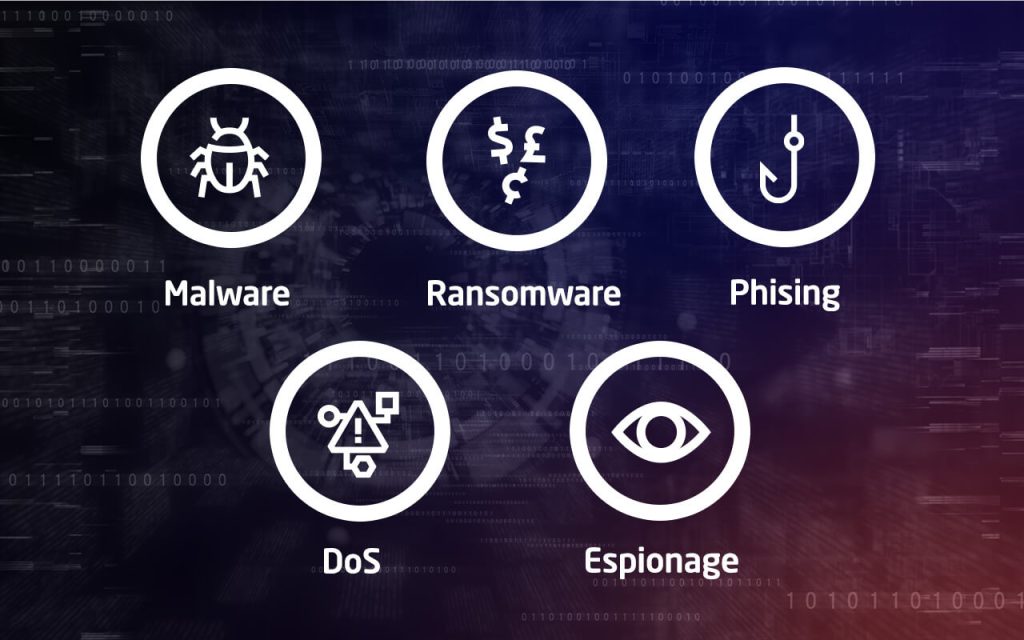
Phishing
Phishing is one of the most common cyberattacks.
Hackers send fake messages pretending to be trusted organizations.
Examples include:
- Fake bank emails
- Fake login pages
- Fake delivery notifications
The goal is to trick users into revealing sensitive information.
Malware
Malware refers to malicious software designed to damage systems or steal information.
Common malware types include:
- Viruses
- Worms
- Trojans
- Ransomware
Password Attacks
Weak passwords remain a major security problem.
Hackers often exploit:
- Simple passwords
- Reused passwords
- Predictable passwords
That’s why security experts recommend strong, unique passwords.
Social Engineering
Social engineering focuses on manipulating people rather than technology.
A hacker may:
- Pretend to be technical support
- Impersonate a coworker
- Create fake emergencies
Sometimes people become the weakest security link.
Real-Life Example of Hacking
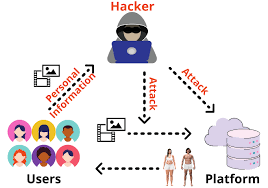
Imagine receiving an email claiming your bank account is locked.
The email looks authentic.
You click the link.
You enter your username and password.
Moments later, the hacker gains access to your account.
This is a classic phishing attack, and it happens every day around the world.
Cybersecurity awareness training exists largely because attacks like these are so effective.
Is Hacking Always Illegal?
No.
This is one of the biggest misconceptions.
Ethical hacking is completely legal when performed with proper authorization.
Organizations actively hire ethical hackers to:
- Identify vulnerabilities
- Perform penetration testing
- Strengthen security defenses
- Meet compliance requirements
Without ethical hackers, many security weaknesses would remain undiscovered.
How to Protect Yourself from Hackers
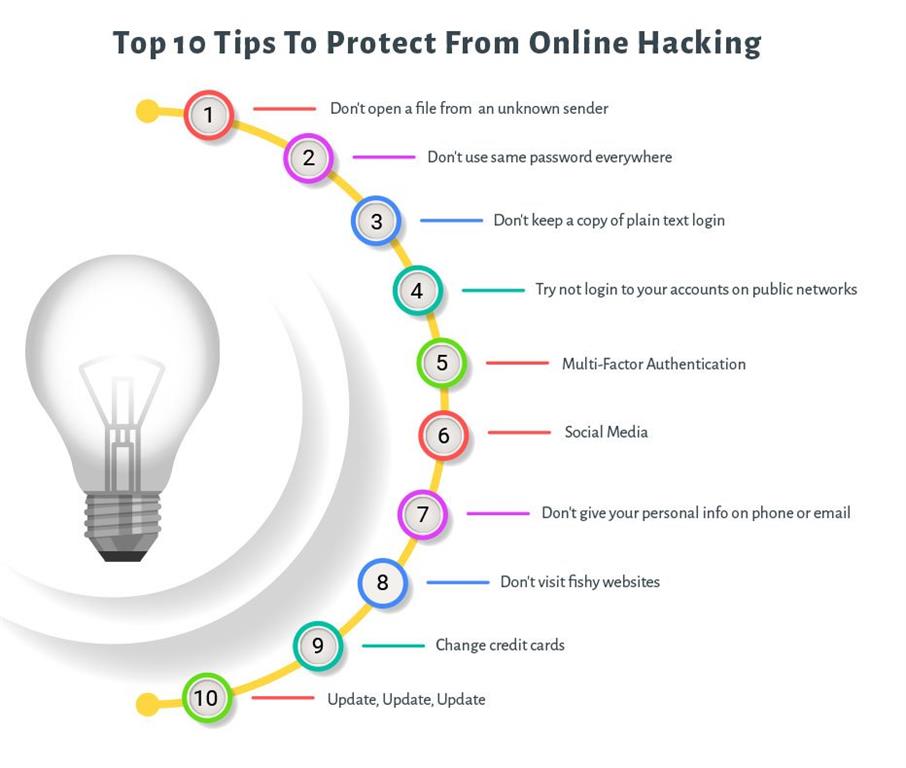
Here are some practical habits I personally recommend:
✅ Use strong passwords
✅ Enable two-factor authentication (2FA)
✅ Keep software updated
✅ Avoid suspicious links
✅ Install trusted antivirus software
✅ Back up important data
✅ Verify email senders carefully
✅ Use secure Wi-Fi networks
Small habits can dramatically improve your security.
Why Learning About Hacking Matters
Years ago, cybersecurity felt like something only IT professionals needed to understand.
Today, that’s no longer true.
We shop online.
We bank online.
We work online.
We store memories online.
Because so much of our lives exist digitally, understanding What Is Hacking? Types of Hacking & More has become essential for everyone—not just cybersecurity experts.
The more we understand hacking techniques, the better prepared we are to recognize threats and protect ourselves.
Final Thoughts
If someone asks me to explain What Is Hacking? Types of Hacking & More in one sentence, I’d say this:
Hacking is the process of finding and exploiting weaknesses in systems, and it can be used for either good or bad purposes depending on the hacker’s intent.
Cybersecurity isn’t just about technology anymore. It’s about awareness, habits, and staying informed.
Whether you’re a student, business owner, or everyday internet user, learning the basics of hacking can help you stay safer in our increasingly connected world. 🔐
Want to learn about Cyber Security?, Kaashiv Infotech Offers, Cyber Security Course, or Networking Course & More, Visit www.kaashivinfotech.com.