

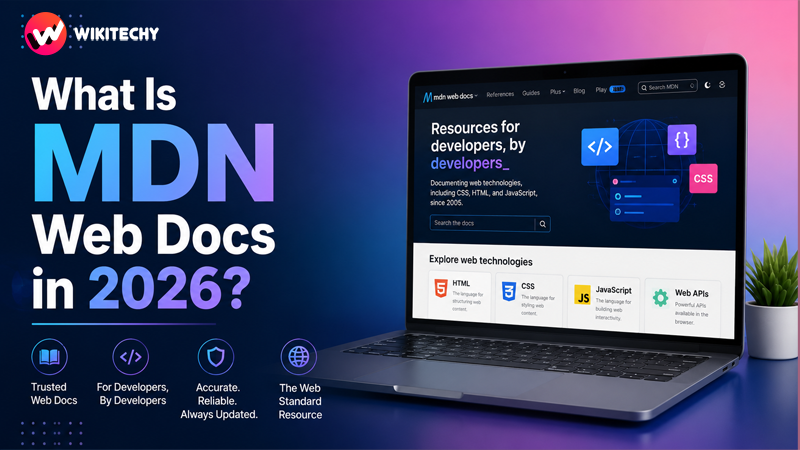
MDN Web Docs – In a digital ecosystem filled with countless tutorials, YouTube channels, and AI-powered coding assistants, one platform continues to stand as a pillar of reliability and clarity: MDN Web Docs.
If you’ve ever searched for how a CSS property works, what a JavaScript method does, or how browser APIs behave, chances are you’ve landed on MDN. But in 2026, MDN is no longer just a reference site—it has matured into a complete knowledge system for understanding the web itself.
This guide explores MDN Web Docs in depth—its evolution, features, strengths, and why it remains essential for developers even in the age of AI.
The Journey of MDN: From Documentation to Developer Ecosystem
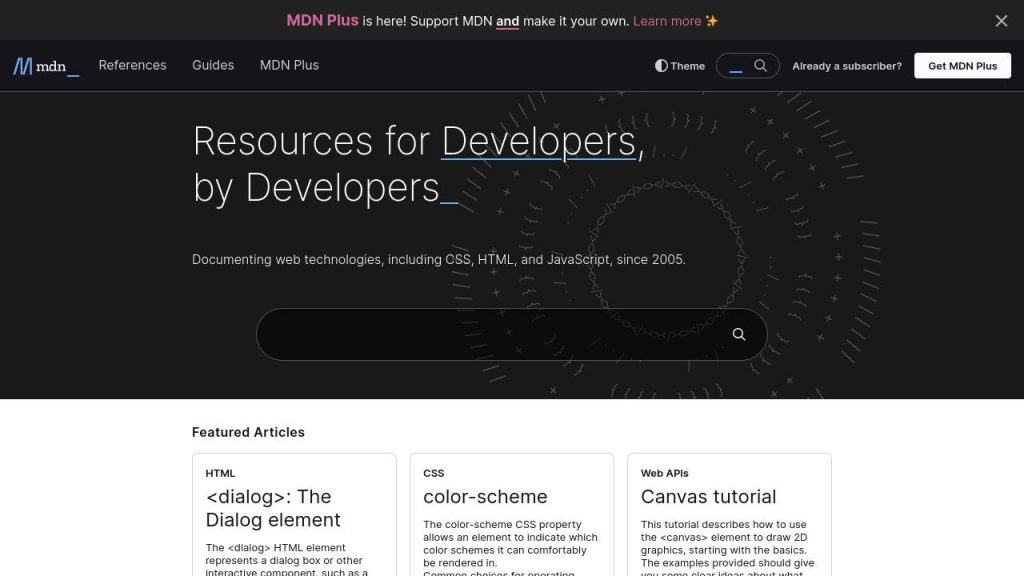
MDN began as part of the Mozilla initiative, originally created to document web standards and support developers working with browsers like Firefox. In its early years, it was primarily used by developers who needed accurate references for HTML, CSS, and JavaScript.
Over time, something remarkable happened. MDN didn’t just grow—it earned trust.
Unlike many platforms that chase trends, MDN focused on correctness, clarity, and alignment with official standards. It became a place where developers could go not just to learn what works, but to understand why it works.
By 2026, MDN has evolved into a developer-first ecosystem that blends documentation, tutorials, real-world examples, and guided learning—all in one place. Its design is cleaner, its performance faster, and its content richer than ever before. But most importantly, its mission remains unchanged:
to make the open web understandable and accessible to everyone.
What You Can Find on MDN Web Docs in 2026
Deep and Reliable Documentation

At the heart of MDN lies its strongest feature: exceptionally well-written documentation.
Every concept—from basic HTML tags to advanced browser APIs—is explained with precision. Instead of overwhelming you with jargon, MDN carefully builds understanding. A simple topic like a <div> element is explained with context, use cases, and examples. More advanced topics, such as asynchronous JavaScript or browser rendering, are broken down into digestible explanations that gradually deepen your knowledge.
What makes MDN stand out is its accuracy. The content is continuously reviewed and updated to reflect real browser behavior, not just theoretical definitions. When you read about a feature on MDN, you can trust that it works the way it’s described.
Learning by Doing: Interactive Experiences
Reading alone isn’t enough to master development—and MDN understands that.
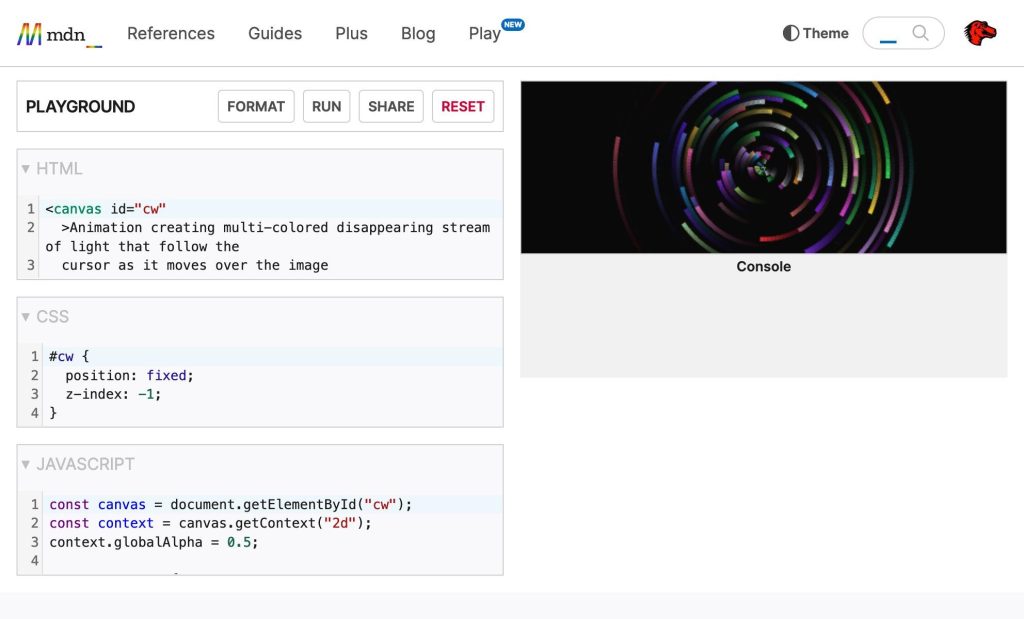
In 2026, the platform includes interactive code environments that allow you to experiment instantly. You can tweak HTML structures, modify CSS styles, or test JavaScript logic directly within the browser. There’s no need to install tools or configure environments.
This shift toward interactivity transforms MDN from a passive reading experience into an active learning journey. You don’t just see examples—you experience them. That difference is what helps concepts stick.
Structured Learning Paths for All Levels
One of the most significant improvements in recent years is MDN’s structured learning approach. Instead of leaving users to jump randomly between pages, MDN now provides curated learning paths that guide you from beginner to advanced levels.
If you’re new to development, you can start with foundational topics like how the web works, basic HTML structure, and styling with CSS. As you progress, the platform introduces JavaScript logic, APIs, performance optimization, and accessibility.
For experienced developers, there are deeper dives into advanced JavaScript patterns, browser internals, and modern web architecture. This layered approach ensures that MDN is not just a reference, but a long-term learning companion.
Alignment with Web Standards
A major reason behind MDN’s credibility is its close alignment with organizations like the W3C and WHATWG.
These organizations define how the web should work. MDN translates those technical specifications into developer-friendly explanations.
This means when you learn from MDN, you’re not learning shortcuts or framework-specific tricks—you’re learning the actual foundation of the web. That knowledge remains relevant no matter how technologies evolve.
Accessibility, Performance, and Best Practices
Modern web development is not just about building features—it’s about building responsibly. MDN strongly emphasizes best practices that ensure your applications are usable, fast, and inclusive.
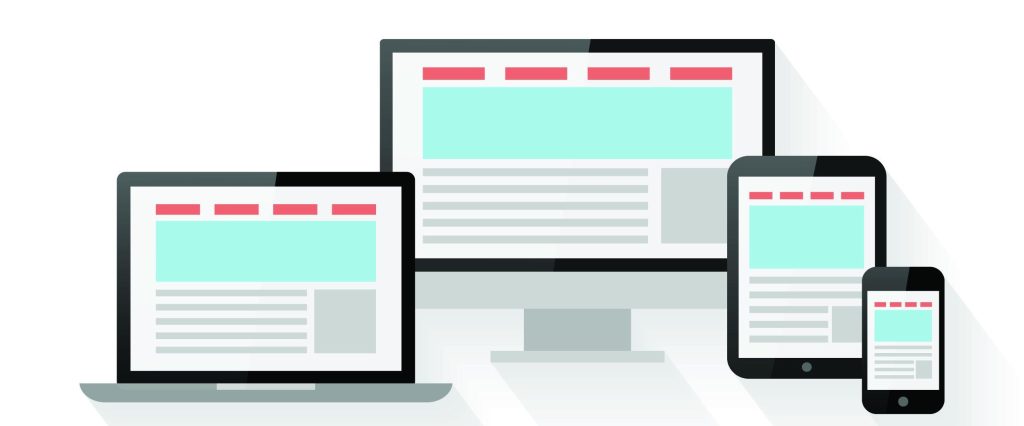
You’ll find detailed guidance on writing accessible HTML, improving page performance, optimizing assets, and ensuring compatibility across different browsers and devices. These are not optional skills anymore—they are essential for any serious developer.
MDN doesn’t treat these topics as side notes. Instead, it integrates them into the learning process, helping developers build habits that lead to high-quality software.
Why MDN Still Matters in the Age of AI
In 2026, AI tools can generate code in seconds. Platforms can teach you through videos, and communities can answer your questions instantly. So why does MDN still matter?
Because MDN offers something that most platforms don’t: trustworthy understanding.
AI can give you solutions, but it doesn’t always explain them correctly. Tutorials can show you steps, but they may skip the underlying logic. MDN fills that gap. It helps you verify, validate, and deeply understand what you’re building.
Instead of replacing MDN, modern tools actually make it more important. Developers often use AI to generate code—but turn to MDN to confirm if that code is correct.
MDN vs Modern Learning Platforms
Platforms like freeCodeCamp, Udemy, and Coursera are excellent for structured courses and guided tutorials. They help you get started quickly and build projects.
However, MDN serves a different purpose.
It is not designed to entertain or simplify everything into quick wins. Instead, it focuses on precision and depth. It acts as a long-term reference that grows with you as your skills improve.
You might learn your first project from a course—but you’ll refine your understanding through MDN.
Who Should Use MDN Web Docs?
The beauty of MDN lies in its universality. It’s useful for beginners who are writing their first lines of HTML, as well as experienced engineers debugging complex browser behavior.
Frontend developers rely on it daily. Backend developers use it when working with APIs. Even technical writers and educators depend on MDN for accurate explanations.
It doesn’t matter where you are in your journey—MDN meets you there and helps you move forward.
Final Thoughts
In 2026, MDN Web Docs continues to be one of the most valuable resources in the web development world.
It has evolved with the industry without losing its core strength: clarity, accuracy, and trust.
Frameworks will change. Tools will evolve. AI will become more powerful. But the fundamentals of the web—and the need to understand them—will remain constant.
And that’s exactly where MDN shines.
If you want to become not just a coder, but a true web developer, MDN isn’t optional—it’s essential.
Want to Learn More ? Kaashiv Infotech Offers Full Stack Python Course, Artificial Intelligence Course, Data Science Course & More Visit Their Website course.kaashivinfotech.com.