
Search engine optimization continues to change as Google improves its algorithms and search experience. In 2026, ranking well is no longer about simply adding keywords to a webpage. Search engines increasingly focus on helpful content, user experience, technical quality, website authority, and search intent.
Google’s current guidance emphasizes people-first content and warns against creating content primarily to manipulate search rankings.
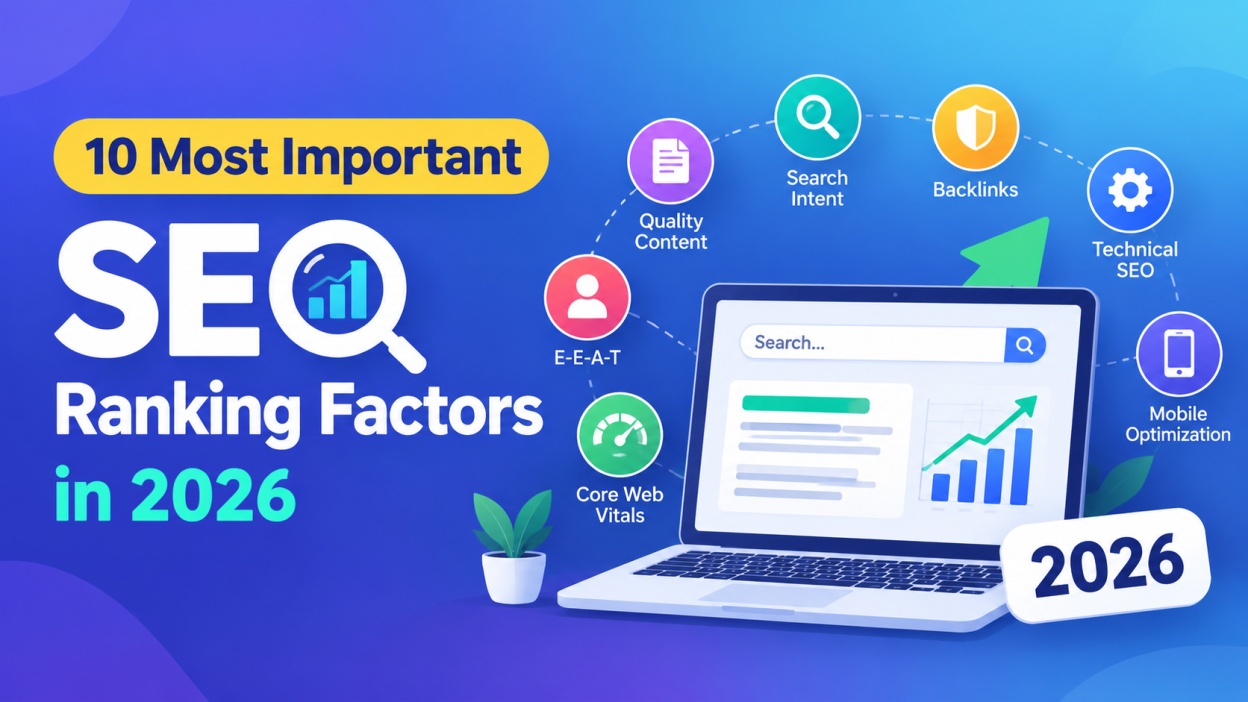
If you want your website to perform well in organic search, you need to focus on multiple SEO factors rather than looking for one single ranking signal. Here are the 10 most important SEO ranking factors to focus on in 2026.
1. Helpful and High-Quality Content
Content remains one of the most important parts of SEO. However, simply publishing a large number of articles is not enough.
Google recommends creating helpful, reliable, people-first content that provides original information and genuinely satisfies the user’s needs. Content should answer the searcher’s question clearly and provide useful information beyond what is already available.
When creating content, focus on:
- Providing accurate and useful information
- Answering the user’s main question
- Adding original insights or examples
- Keeping information updated
- Avoiding unnecessary repetition
- Writing for people rather than search engines
Quality should always be more important than producing content just to reach a particular word count.
2. Search Intent
Understanding search intent is essential for ranking in 2026. Search intent refers to the reason behind a user’s search query.
For example, someone searching for “how to install Python” probably wants a step-by-step guide, while someone searching for “Python course in Chennai” is likely looking for a training program.
The major types of search intent include:
- Informational – looking for information
- Navigational – looking for a specific website
- Commercial – researching products or services
- Transactional – ready to purchase or take action
Your content should match the intent behind the keyword. Even well-written content can struggle if it does not provide the type of information users expect.
3. Experience, Expertise, Authority and Trust
Google’s guidance places strong importance on signals associated with E-E-A-T: Experience, Expertise, Authoritativeness, and Trustworthiness. Google also notes that E-E-A-T itself is not a single ranking factor.
Websites can demonstrate these qualities by:
- Providing accurate information
- Showing author information where appropriate
- Using trustworthy sources
- Demonstrating first-hand experience
- Maintaining an informative About page
- Keeping important content accurate and updated
Trust is particularly important for topics involving health, finance, safety, and other areas that can significantly affect people’s lives.
4. Core Web Vitals and Page Experience
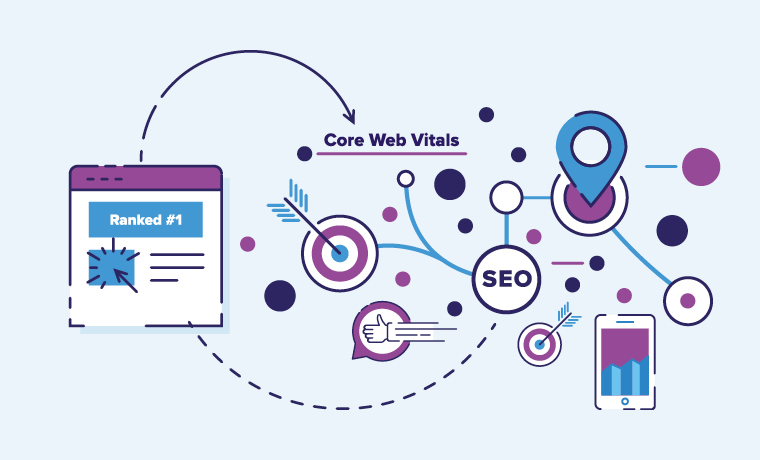
Website performance has become an important part of providing a good search experience.
Google’s Core Web Vitals currently focus on three key measurements:
- LCP (Largest Contentful Paint): loading performance
- INP (Interaction to Next Paint): responsiveness
- CLS (Cumulative Layout Shift): visual stability
Google recommends aiming for an LCP of 2.5 seconds or less, INP below 200 milliseconds, and CLS below 0.1 for a good user experience.
However, achieving perfect scores does not guarantee higher rankings. Google evaluates page experience more broadly, including mobile usability, HTTPS, intrusive advertisements, and the overall experience users receive.
5. Mobile-Friendly Website
A large percentage of searches happen on mobile devices, making mobile usability essential for modern SEO.
Your website should:
- Adapt to different screen sizes
- Use readable fonts
- Have buttons that are easy to tap
- Avoid horizontal scrolling
- Load efficiently on mobile networks
- Make navigation simple
A page that looks good on desktop but is difficult to use on mobile can create a poor user experience.
6. Backlinks and Website Authority
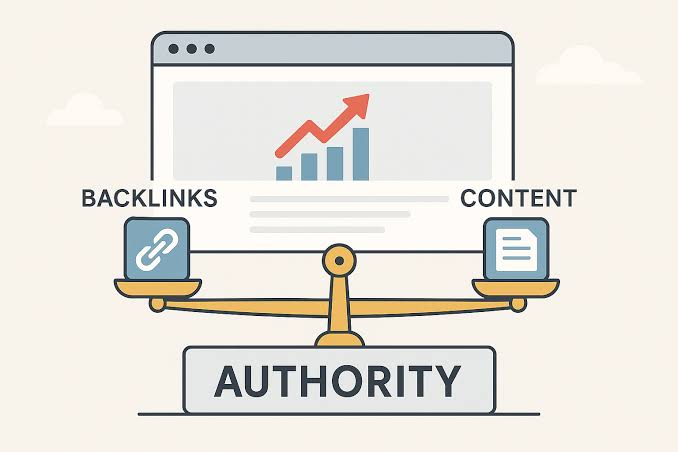
Backlinks remain an important part of SEO because links can help search engines discover pages and understand relationships between websites.
However, quality is more important than simply collecting a large number of links.
A strong backlink strategy focuses on earning links from relevant, trustworthy websites. Useful approaches include creating original research, publishing valuable resources, contributing expert information, and promoting genuinely useful content.
Avoid building large numbers of low-quality or irrelevant links simply to manipulate rankings.
7. Internal Linking
Internal links connect different pages within your own website. They help visitors discover related information and help Google understand your website structure.
Google states that links are an important way for Google to discover pages, and recommends descriptive anchor text that helps users and search engines understand the destination page.
For example, an article about “Python Programming” could naturally link to pages about:
- Python projects
- Python courses
- Python interview questions
- Python frameworks
A good internal linking structure can distribute authority throughout your website and make important pages easier to discover.
8. Technical SEO and Crawlability
Technical SEO ensures that search engines can properly crawl, understand, and index your website.
Important technical areas include:
- XML sitemap
- Robots.txt
- Proper URL structure
- Canonical URLs
- HTTPS
- Mobile usability
- Correct redirects
- Fixing broken links
- Removing unnecessary duplicate pages
Google recommends using crawlable URLs and properly structured links so its crawlers can efficiently discover website content.
Even excellent content may struggle to appear in search results if search engines cannot properly access or index it.
9. Keyword Optimization
Keywords are still useful, but modern SEO is much more sophisticated than repeating the same keyword throughout an article.
Instead of keyword stuffing, use your primary keyword naturally in important locations such as:
- Page title
- Main heading
- Introduction
- Relevant subheadings
- URL
- Meta description
- Image alt text where appropriate
- Body content
You should also include related terms and concepts that naturally help explain the topic.
The goal is not to repeat a keyword as many times as possible. The goal is to create a page that comprehensively answers the user’s query.
10. Freshness and Content Updates
Keeping content accurate and useful is increasingly important, especially for topics that change frequently.
For example, an article about SEO strategies for 2026 should not rely entirely on outdated information from several years ago.
Regularly review important pages and update:
- Statistics
- Examples
- Screenshots
- Product information
- Industry developments
- Broken links
- Outdated recommendations
However, updating a publication date without making meaningful improvements is not a reliable SEO strategy. Google’s guidance specifically warns against changing dates simply to make pages appear fresh when the content has not substantially changed.
Conclusion
SEO in 2026 is about creating a website that is useful, trustworthy, technically accessible, and enjoyable to use. There is no single ranking factor that guarantees a top position. Google’s systems evaluate many signals to determine which content is most relevant and helpful for a particular search.
The most important areas to prioritize are helpful content, search intent, E-E-A-T, Core Web Vitals, mobile usability, backlinks, internal linking, technical SEO, keyword optimization, and meaningful content updates.
Instead of trying to find shortcuts, businesses and website owners should build websites that genuinely help their target audience. A strong combination of content quality, technical optimization, authority, and user experience provides a solid foundation for sustainable organic search growth in 2026.
Want to learn More about Marketing Management Kaashiv Infotech Offers Digital Marketing Course & More, Visit www.kaashivinfotech.com.