What are Financial Resources? Types, Examples & Management Guide
Have you ever wondered what actually keeps a business running or how families manage to pay for big life events? It all boils down to one fundamental concept: financial resources.
In the simplest terms, what are financial resources? They are the lifeblood of economic activity. Whether you are running a multinational corporation, managing a government budget, or just trying to keep your personal finances in check, understanding these resources is non-negotiable.
They aren’t just about the physical cash in your wallet. They encompass a wide array of assets—from the stocks in your investment portfolio to the building your business operates out of. In this comprehensive guide, we are going to break down exactly what these resources are, the different forms they take, and how you can manage them smarter. Let’s dive in.
What are Financial Resources?
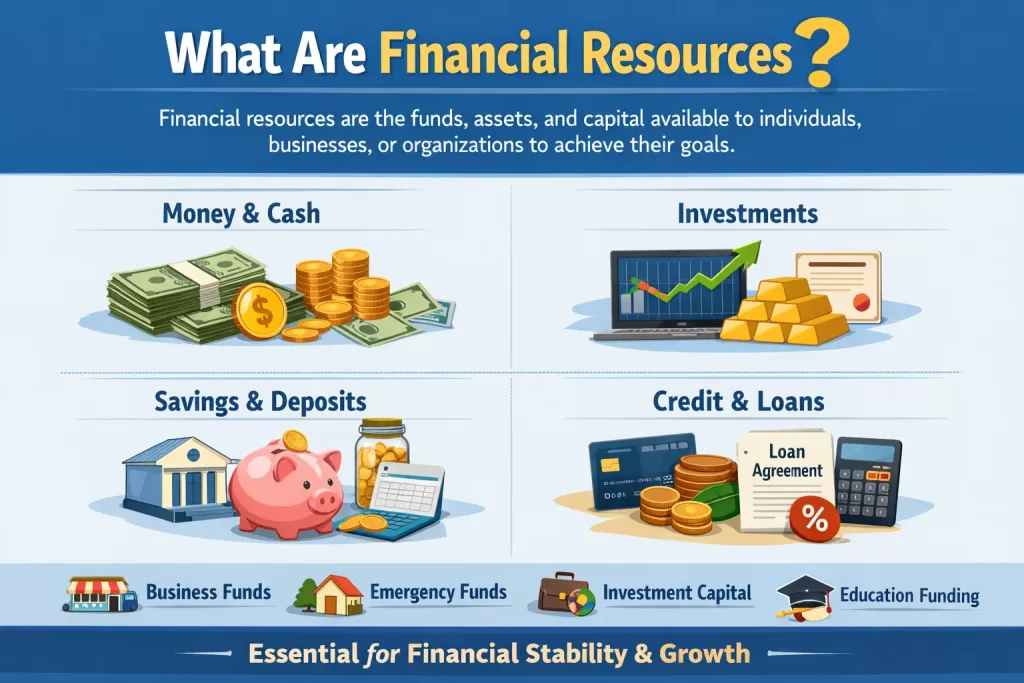
Let’s start with the basics. When we talk about financial resources, we are referring to the assets, funds, and monetary means available to an entity be it an individual, a business, or a government to meet their financial obligations and achieve their goals.
Think of financial resources as the fuel in a car. Without fuel, the car looks nice sitting in the driveway, but it isn’t going anywhere. Similarly, without financial resources, great ideas stay just that—ideas.
These resources can be categorized in a few ways:
- Tangible Assets: Things you can touch and see, like cash, real estate, or inventory.
- Intangible Assets: Things that hold value but aren’t physical objects, such as lines of credit, insurance policies, or intellectual property rights.
The primary purpose of these resources is to facilitate transactions, fund operations, and ensure long-term stability. Effective management of these funds is what separates a struggling startup from a thriving enterprise.
Types of Financial Resources
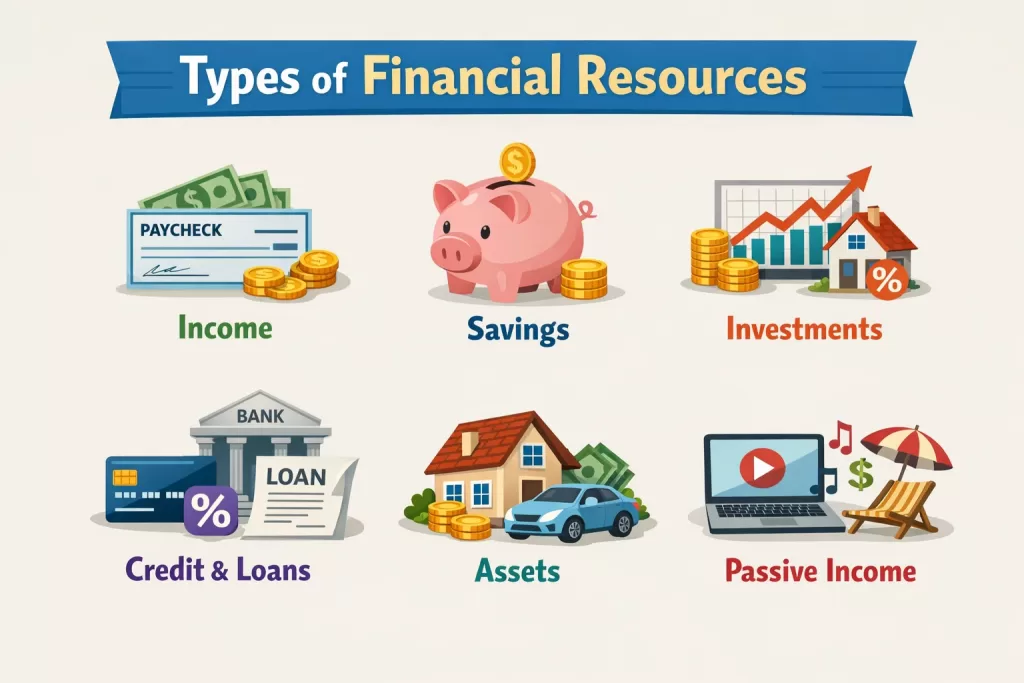
To truly grasp what are financial resources, we need to look at the different shapes they take. Not all money is created equal; some are liquid and ready to use, while others are tied up in investments. Here are the primary types you should know about:
1. Cash and Cash Equivalents
This is the most liquid form of resources. It includes physical currency, coins, and funds in checking accounts. It also includes “cash equivalents”—short-term investments that can be quickly converted into cash with minimal risk, like Treasury bills or money market funds.
- Why it matters: This is what you use to pay the bills tomorrow. It ensures immediate solvency.
2. Investments
These are assets purchased with the hope that they will generate income or appreciate in value over time. This category includes stocks, bonds, mutual funds, and certificates of deposit (CDs).
- Why it matters: Investments are crucial for wealth creation. They are the engine for long-term financial growth, though they come with varying degrees of risk.
3. Credit Facilities
Sometimes, you don’t have the cash on hand, but you have the ability to borrow it. Credit facilities include lines of credit, loans from banks, and overdraft protection.
- Why it matters: Credit acts as a bridge. It allows businesses to smooth out cash flow bumps or make large purchases (like equipment) before they have the full revenue to cover it.
4. Property and Real Assets
This category covers tangible items like land, buildings, machinery, and vehicles. In a personal context, this is your home or car. For a business, it’s the factory floor or the office headquarters.
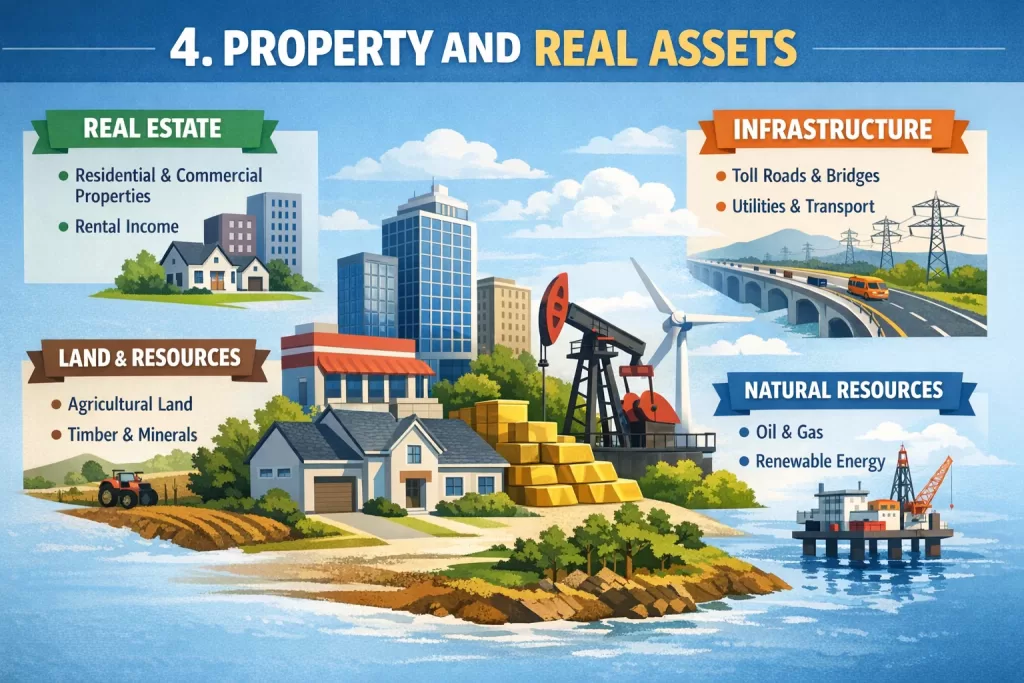
- Why it matters: These assets often appreciate over time (like land) or are essential for producing goods and services. They can also be used as collateral to secure loans.
5. Revenue Streams
For a business or government, future income is a resource. This includes expected sales revenue, tax receipts, or service fees.
- Why it matters: Reliable revenue streams allow for planning. If you know money is coming in, you can commit to long-term expenses like hiring staff or building infrastructure.
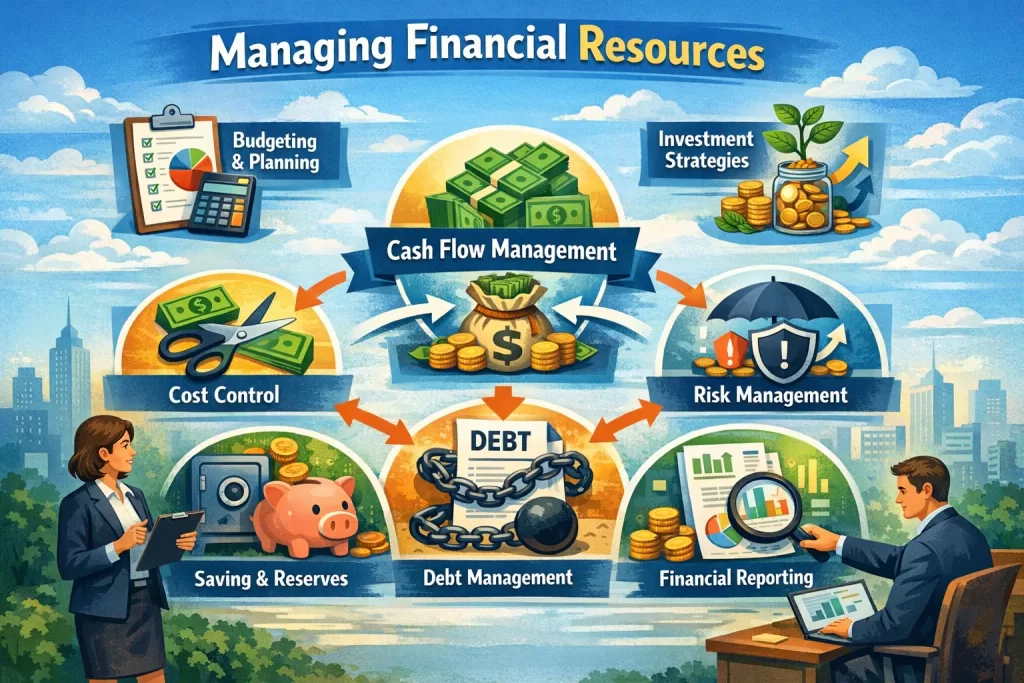
Managing Financial Resources
Knowing what are financial resources is only half the battle; managing them is where the real work lies. Good management is the difference between sinking in debt and sailing toward prosperity. Here is how different entities approach this task:
For Individuals
Managing personal finances revolves around security and future planning. It starts with the basics:
- Budgeting: Tracking income versus expenses to ensure you aren’t spending more than you earn.
- Emergency Funds: Setting aside 3-6 months of expenses in a liquid savings account.
- Investing: Contributing to retirement accounts (like 401(k)s or IRAs) to ensure financial independence later in life.
For Businesses
Corporate financial management is more complex. It involves capital budgeting, risk management, and strategic allocation. Key strategies include:
- Optimizing Capital Structure: Finding the right balance between debt (borrowing) and equity (selling shares) to fund operations.
- Working Capital Management: ensuring the company has enough cash flow to meet short-term obligations while keeping operations running efficiently.
- Profit Reinvestment: Deciding how much profit to pay out to owners versus reinvesting into the company for growth.
For Governments
Governments have a responsibility to the public. Their management focuses on fiscal policy and public welfare:
- Budgeting Public Revenues: Allocating tax money to public services like education, healthcare, and infrastructure.
- Fiscal Responsibility: Avoiding excessive national debt that could destabilize the economy.
Financial Resources in Business: A Deep Dive
When we ask what are financial resources in a business context, we are usually talking about how a company funds its existence. A business needs money to start, money to run, and money to grow. Here is a breakdown of the specific sources:
1. Equity Financing
This involves selling a piece of the company to raise money. When a startup gets funding from an “angel investor” or a company issues stock on the public market, that is equity financing.
- Pros: No repayment required.
- Cons: You give up partial ownership and control of the business.
2. Debt Financing
This is borrowing money that must be paid back with interest. Bank loans and corporate bonds are examples.
- Pros: You keep full ownership of the company. Interest payments are often tax-deductible.
- Cons: Obligatory repayments can strain cash flow, especially during lean times.
3. Retained Earnings
This is the “self-made” money. It consists of past profits that the company has kept (retained) rather than distributed to shareholders as dividends.
- Why it’s great: It costs nothing to raise (unlike issuing stocks or loans) and signals a healthy, mature business.
4. Grants and Subsidies
Occasionally, businesses receive funds from governments or organizations that do not need to be repaid. These are often awarded for specific purposes, like research and development or expanding into a disadvantaged area.
5. Inventory and Receivables
While not cash yet, these are critical resources. Inventory is products ready to be sold. Accounts Receivable is money owed by customers who bought on credit. Efficient management here means turning these resources into cash as quickly as possible.
Financial Resources Challenges
It would be nice if we could just accumulate resources and be done with it. Unfortunately, managing money is fraught with challenges. Understanding these hurdles is vital when studying what are financial resources.
1. Limited Access to Capital
For small businesses and individuals with poor credit history, getting funds can be a nightmare. Banks often hesitate to lend to startups without a track record. This “credit crunch” can stifle innovation before it even begins.
2. Fluctuating Market Conditions
The value of your resources can change overnight. A stock market crash can wipe out investment wealth. Real estate bubbles can burst. If a business relies heavily on one type of asset, they are vulnerable to specific market shifts.

3. High Debt Levels
Leverage (using debt) can help you grow, but it’s a double-edged sword. High debt levels mean high monthly repayments. If revenue drops, the business might not be able to service the debt, leading to bankruptcy.
4. Inflation
Inflation is the silent thief of financial resources. If your cash is sitting in a bank account earning 1% interest, but inflation is running at 3%, you are effectively losing purchasing power every year. This erodes the value of liquid assets.
5. Financial Literacy
You can have all the resources in the world, but if you don’t know how to manage them, they will vanish. A lack of financial literacy leads to poor investment choices, failure to budget, and accumulating bad debt.
6. Regulatory Changes
Governments frequently change tax laws and financial regulations. A sudden change in corporate tax rates or compliance requirements can impact a business’s bottom line and alter how they deploy their resources.
10 Examples of Financial Resources
To make this concept crystal clear, let’s look at a concrete list. Here are 10 common examples of financial resources you might encounter:
- Physical Cash: The currency in the cash register or your wallet.
- Bank Deposits: Money sitting in savings and checking accounts.
- Stocks: Ownership shares in other companies held as investments.
- Bonds: Debt securities purchased that pay interest over time.
- Commercial Real Estate: Office buildings or warehouses owned by the company.
- Machinery and Equipment: Manufacturing robots or company vehicles that have resale value.
- Lines of Credit: Pre-approved borrowing limits from a bank.
- Accounts Receivable: Money owed to you by clients.
- Venture Capital: Funding provided by investors to high-growth startups.
- Cryptocurrency: Digital assets increasingly used by modern businesses as part of their treasury.
Conclusion
So, what are financial resources? They are much more than just numbers on a spreadsheet. They are the tangible and intangible assets that fuel our ambitions, secure our futures, and drive the global economy.
From the cash in a teenager’s savings account to the complex equity structures of a billion-dollar corporation, the principles remain the same: acquisition, management, and growth.
Understanding these resources is the first step toward financial literacy. By recognizing the types of resources available and acknowledging the challenges in managing them—like inflation, debt, and market volatility—you put yourself in a position of strength. Whether you are an individual building an emergency fund or a CEO plotting an expansion, your ability to manage your financial resources will ultimately dictate your success.
Frequently Asked Questions (FAQs)
1. What role do financial resources play in economic growth?
Financial resources are the engine of economic growth. They allow businesses to invest in new technologies, expand operations, and hire more workers. On a government level, they fund infrastructure projects like roads and schools, which creates jobs and improves societal productivity. Without these resources, the economy would stagnate.
2. Can financial resources be both tangible and intangible?
Yes, absolutely. Tangible financial resources are physical assets like cash, real estate, and gold. Intangible resources include things like lines of credit, insurance policies, and accounts receivable. Both types hold value and contribute to an entity’s overall financial health, though they are managed differently.
3. How do financial resources differ for individuals and businesses?
While the core concept is the same, the scale and complexity differ. Individuals usually focus on income (salary), savings, and personal investments for security. Businesses focus on capital structure (debt vs. equity), cash flow management, and revenue generation for growth and sustainability. Businesses also have access to more complex funding options like issuing stock or bonds.
4. What challenges do organizations face in managing financial resources?
Organizations face several hurdles, including limited access to capital, high interest rates on debt, and market volatility. Additionally, internal challenges like poor financial literacy among decision-makers or inefficient budgeting processes can lead to resource wastage. External factors like inflation and changing government regulations also add layers of difficulty.
5. What is the difference between financial resources and capital?
“Financial resources” is a broad term covering all assets that can be used to create value or pay debts (including cash, credit, and investments). “Capital” usually refers more specifically to the wealth—often in the form of money or assets—used to start a business or invest. In short, all capital is a financial resource, but not all financial resources are considered capital.
1. What role do financial resources play in economic growth?
Financial resources are the engine of economic growth. They allow businesses to invest in new technologies, expand operations, and hire more workers. On a government level, they fund infrastructure projects like roads and schools, which creates jobs and improves societal productivity. Without these resources, the economy would stagnate.
2. Can financial resources be both tangible and intangible?
Yes, absolutely. Tangible financial resources are physical assets like cash, real estate, and gold. Intangible resources include things like lines of credit, insurance policies, and accounts receivable. Both types hold value and contribute to an entity’s overall financial health, though they are managed differently.
3. How do financial resources differ for individuals and businesses?
While the core concept is the same, the scale and complexity differ. Individuals usually focus on income (salary), savings, and personal investments for security. Businesses focus on capital structure (debt vs. equity), cash flow management, and revenue generation for growth and sustainability. Businesses also have access to more complex funding options like issuing stock or bonds.
4. What challenges do organizations face in managing financial resources?
Organizations face several hurdles, including limited access to capital, high interest rates on debt, and market volatility. Additionally, internal challenges like poor financial literacy among decision-makers or inefficient budgeting processes can lead to resource wastage. External factors like inflation and changing government regulations also add layers of difficulty.
5. What is the difference between financial resources and capital?
“Financial resources” is a broad term covering all assets that can be used to create value or pay debts (including cash, credit, and investments). “Capital” usually refers more specifically to the wealth—often in the form of money or assets—used to start a business or invest. In short, all capital is a financial resource, but not all financial resources are considered capital.