

Civil engineering isn’t just about constructing buildings or laying roads—it’s about designing the backbone of civilization. If you really stop and observe your daily routine, almost everything you interact with—transport, water, buildings, waste systems—has been touched by civil engineering in some way.
When I started digging deeper into this field, one thing became very clear: civil engineering is not just technical… it’s transformational. It solves real human problems at scale, often in ways we don’t even notice.
Let’s explore seven major real-world applications of civil engineering in detail—and understand how they impact our lives every single day.
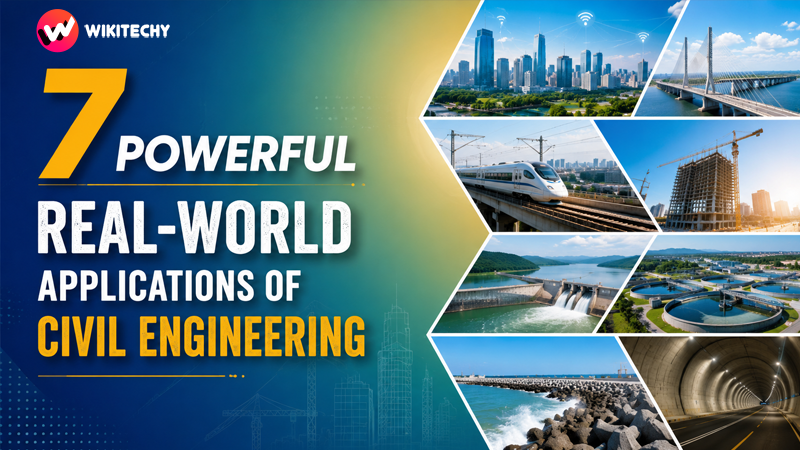
7 Powerful Real-World Applications of Civil Engineering
1. Smart Cities & Modern Urban Development

Urbanization is happening faster than ever, especially in countries like India. Managing growing populations, traffic congestion, and resource distribution is a huge challenge—and that’s where civil engineering plays a key role.
Smart cities are built using advanced planning techniques that integrate infrastructure with technology. Civil engineers collaborate with data scientists and urban planners to design efficient systems that improve quality of life.
Some key features of smart urban infrastructure include intelligent traffic management systems, automated street lighting, optimized drainage systems, and well-planned residential and commercial zones. These elements work together to reduce congestion, save energy, and make cities more livable.
Instead of chaotic growth, cities are now evolving into structured ecosystems—thanks to civil engineering innovation.
2. Sustainable & Green Building Construction

One of the biggest shifts in civil engineering today is the move toward sustainability. With climate change becoming a serious concern, engineers are focusing on designing structures that are environmentally responsible and resource-efficient.
Green buildings are designed to minimize energy consumption while maximizing comfort and efficiency. They often include solar panels for renewable energy, rainwater harvesting systems to conserve water, and natural ventilation designs that reduce dependency on artificial cooling.
Materials used in construction are also changing—engineers now prefer recycled, low-impact, and energy-efficient materials. These buildings are not just good for the environment, but they also reduce long-term operational costs.
Sustainable construction proves that development doesn’t have to come at the cost of the environment.
3. Transportation Infrastructure (Roads, Bridges & Metro Systems)

Transportation is one of the most visible and impactful applications of civil engineering. Every time you travel—whether it’s by road, rail, or metro—you’re relying on infrastructure designed by civil engineers.
From highways and bridges to tunnels and metro rail systems, these structures are carefully planned to ensure safety, durability, and efficiency. Engineers analyze traffic patterns, environmental impact, and long-term usage before designing these systems.
Efficient transportation networks reduce travel time, improve connectivity between cities, and significantly boost economic growth. For example, expressways and metro systems have transformed how people commute in major urban areas.
Without civil engineering, modern transportation as we know it simply wouldn’t exist.
4. Water Resource Management & Supply Systems

Water is one of the most critical resources for human survival, and managing it efficiently is a massive responsibility. Civil engineers design and maintain systems that ensure clean and reliable water supply.
This includes dams for water storage, canals for irrigation, pipelines for distribution, and treatment plants that make water safe for consumption. These systems are especially crucial in countries with uneven rainfall patterns.
In agriculture, irrigation systems help farmers maintain consistent crop production. In cities, water treatment plants ensure that households receive safe drinking water.
Proper water management not only supports daily life but also prevents disasters like floods and droughts.
5. Disaster-Resilient Infrastructure & Safety Engineering
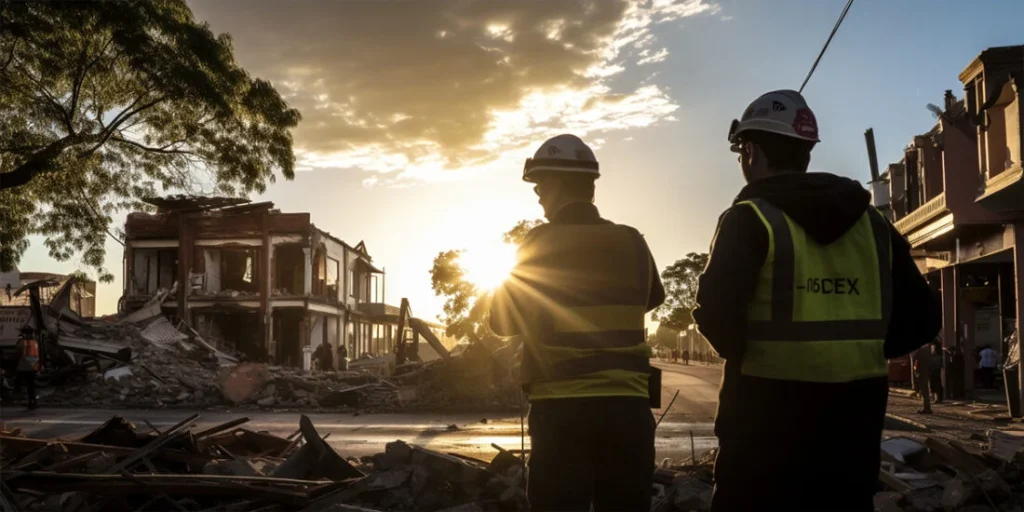
Natural disasters such as earthquakes, floods, and cyclones can cause massive destruction—but civil engineering helps minimize their impact.
Engineers design buildings that can withstand seismic activity, using techniques like base isolation and flexible structural systems. Flood control systems, including dams and drainage networks, help manage excess water during heavy rainfall.
In coastal areas, structures are designed to resist strong winds and storm surges caused by cyclones. These safety-focused designs are not just technical achievements—they are lifesaving innovations.
Disaster-resilient infrastructure ensures that communities are better prepared and protected during extreme events.
6. Environmental Engineering & Waste Management Systems
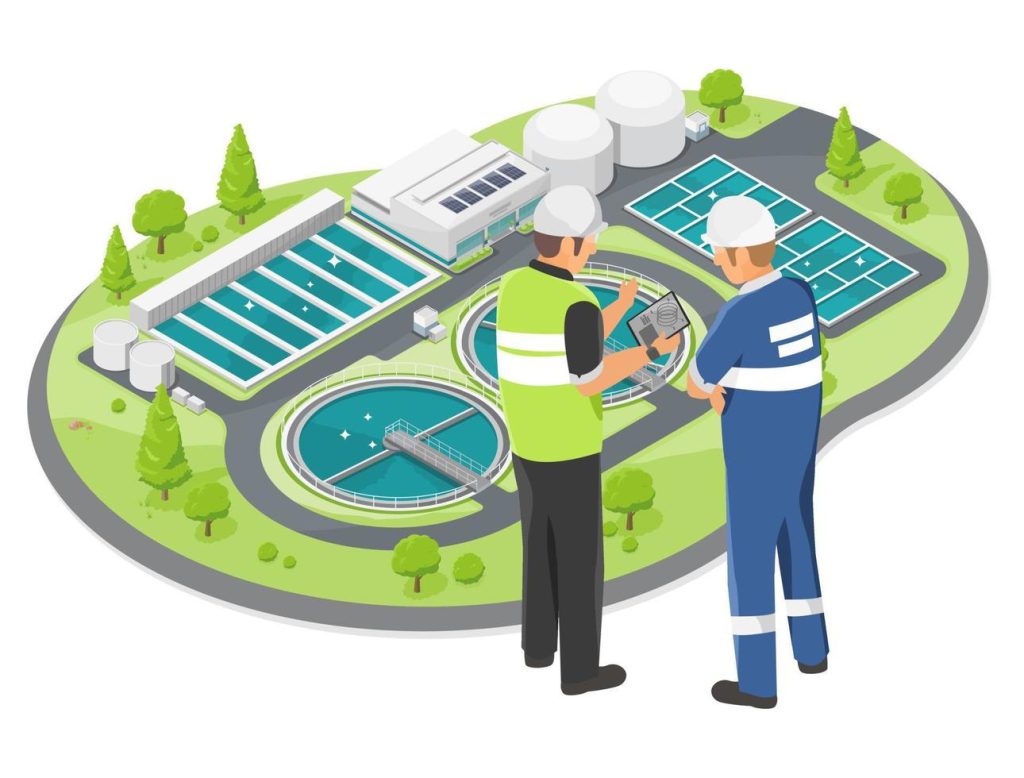
As cities grow, so does the challenge of managing waste. Civil engineers play a crucial role in designing systems that handle waste efficiently and sustainably.
Wastewater treatment plants clean sewage before it is released back into the environment. Solid waste management systems focus on collection, segregation, recycling, and safe disposal.
Modern engineering solutions aim to reduce pollution and promote reuse of materials. Landfills are now designed with protective layers to prevent contamination of soil and groundwater.
These systems are essential for maintaining public health and protecting the environment.
7. Coastal & Marine Engineering

Countries with long coastlines depend heavily on coastal and marine engineering. Civil engineers design ports, harbors, offshore platforms, and coastal protection systems.
Ports are essential for global trade, enabling the movement of goods between countries. Coastal protection structures like seawalls and breakwaters help prevent erosion and protect communities from rising sea levels.
Marine engineering also supports offshore energy production, including oil rigs and wind farms. These projects require advanced design and construction techniques due to harsh ocean conditions.
This field highlights how civil engineering extends beyond land—into the vast and challenging marine environment.
Conclusion
Civil engineering is not just a profession—it’s the foundation of modern society. It connects people, supports economies, protects the environment, and improves quality of life.
The more you explore it, the more you realize that civil engineering is everywhere. It’s in the roads you travel, the water you drink, the buildings you live in, and the systems that keep cities running.
At its core, civil engineering is about solving real-world problems with practical, scalable solutions. And honestly, that’s what makes it such a powerful and impactful field.
Want to learn more ??, Kaashiv Infotech Offers Data Analytics Course, Data Science Course, Cyber Security Course & More Visit Their Website www.kaashivinfotech.com.