
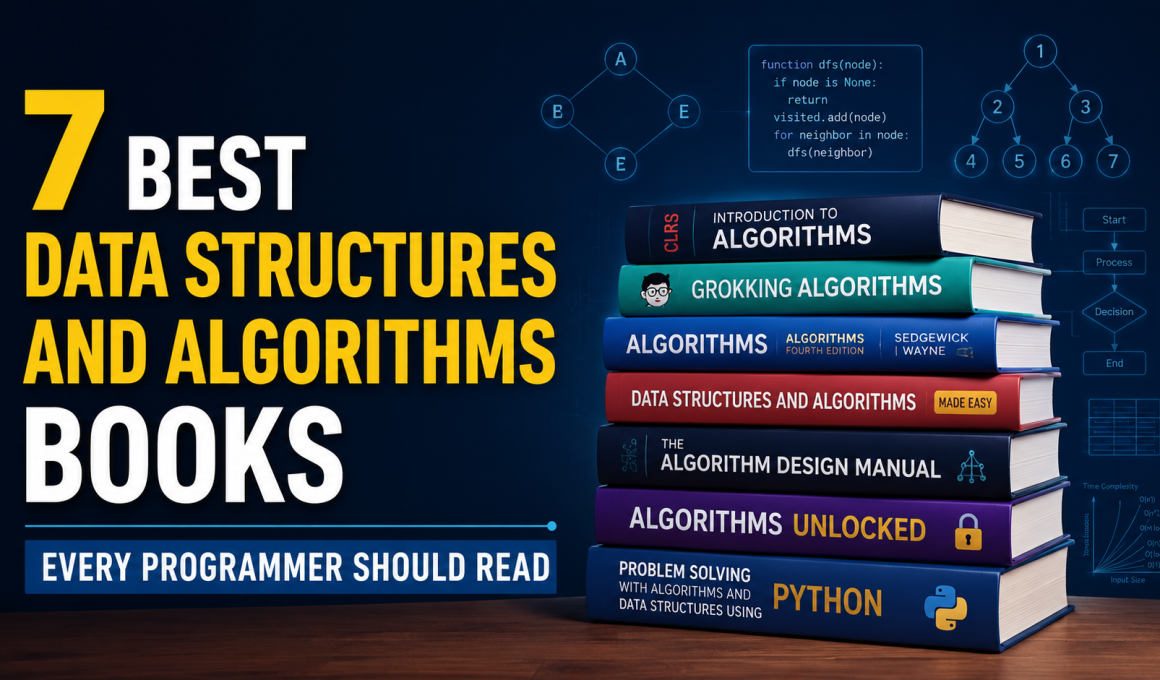
Data Structures and Algorithms Books (DSA) form the foundation of computer science and software development. Whether you are preparing for coding interviews, learning competitive programming, or improving your problem-solving skills, the right book can make a huge difference.
The best DSA books do more than teach theory. They explain how data structures work internally, why certain algorithms are efficient, and where they should be applied in real-world software systems.
Why Learn Data Structures and Algorithms?
Before exploring the books, it is important to understand why DSA matters.
Data structures help organize and store data efficiently, while algorithms provide step-by-step procedures for solving computational problems. Together, they enable developers to create applications that run faster, consume less memory, and scale effectively.
Companies such as Google, Microsoft, and Amazon frequently assess DSA knowledge during technical interviews because it reflects a candidate’s analytical and problem-solving abilities.
1. Introduction to Algorithms (CLRS)
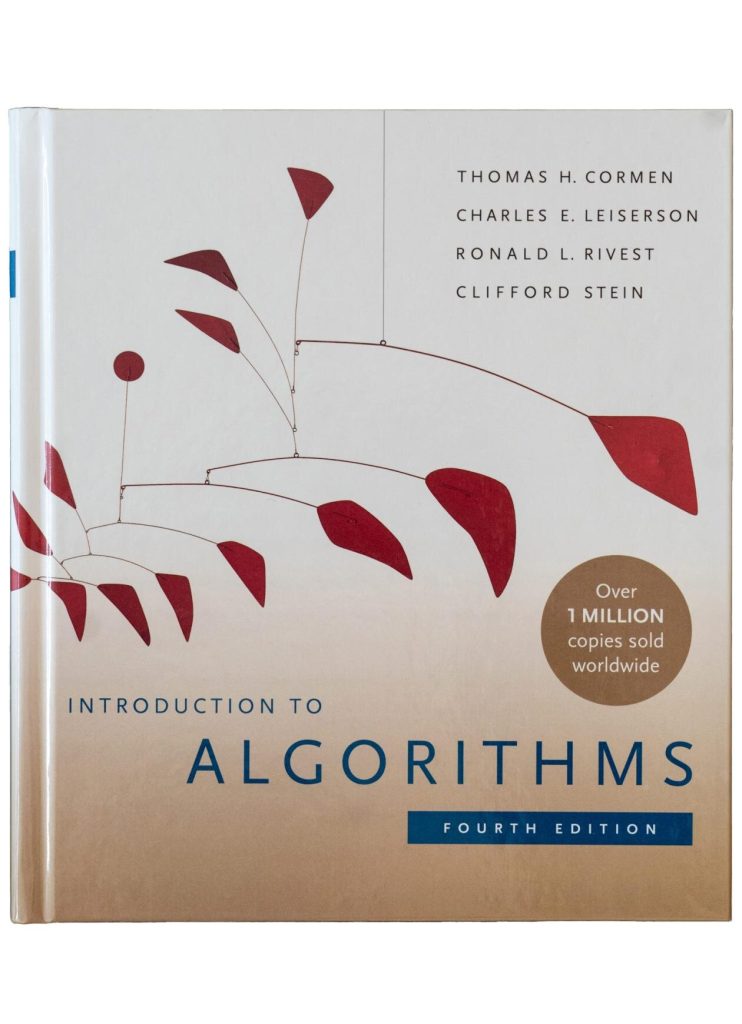
Authors: Thomas H. Cormen, Charles E. Leiserson, Ronald L. Rivest, and Clifford Stein
Often referred to simply as “CLRS,” this book is considered the gold standard for learning algorithms. It is used in universities worldwide and covers nearly every major topic in algorithms and data structures.
The book explains sorting algorithms, graph algorithms, dynamic programming, greedy methods, trees, heaps, hash tables, and advanced algorithmic concepts. Each topic includes mathematical analysis and proofs, helping readers understand not just how an algorithm works but why it works.
While beginners may find some chapters challenging, the depth and completeness of CLRS make it an invaluable long-term reference.
Best For
Computer science students, interview preparation, and advanced algorithm study.
2. Grokking Algorithms
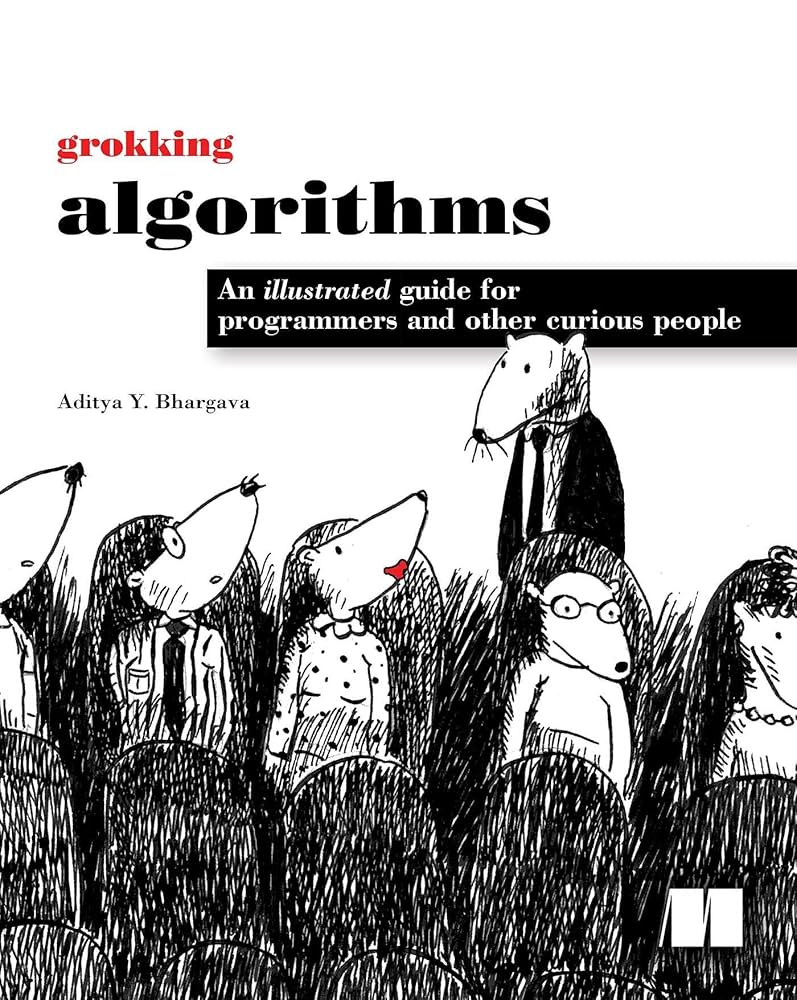
Author: Aditya Bhargava
If you are new to DSA, Grokking Algorithms is one of the easiest books to start with. It uses colorful illustrations, diagrams, and practical examples instead of heavy mathematical notation.
Topics such as binary search, recursion, quicksort, breadth-first search, Dijkstra’s algorithm, and dynamic programming are explained in a visual and engaging manner. The conversational writing style makes complex concepts easier to understand.
The book focuses on intuition rather than mathematical rigor, making it perfect for beginners.
Best For
Students and self-learners starting their DSA journey.
3. Algorithms by Robert Sedgewick and Kevin Wayne
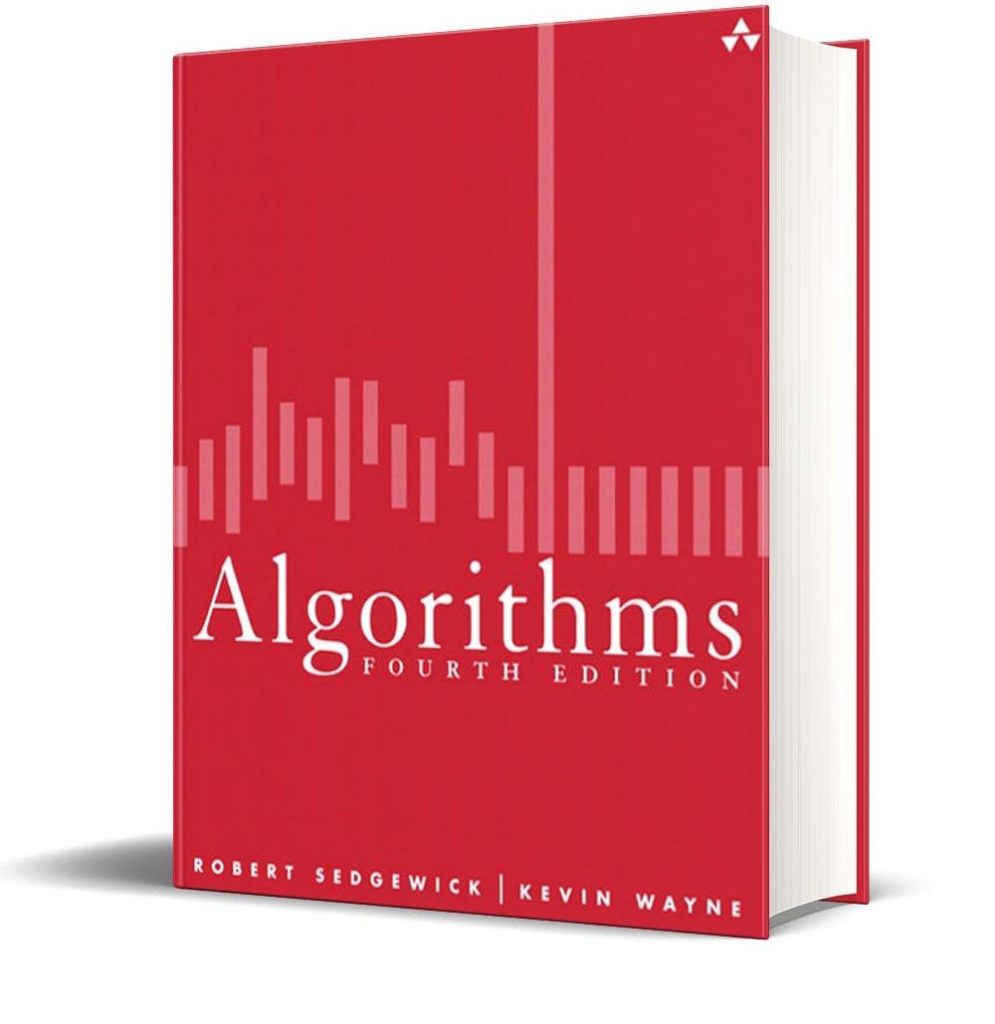
Authors: Robert Sedgewick and Kevin Wayne
This book combines theoretical concepts with practical implementation. Most examples are written in Java, making it especially useful for developers who want to see how algorithms are implemented in real code.
The authors provide detailed explanations of sorting, searching, graph processing, strings, priority queues, and advanced algorithms. The accompanying visualizations and exercises strengthen understanding.
The balance between theory and implementation makes this book a favorite among programmers and university students.
Best For
Developers who prefer learning through code examples.
4. Data Structures and Algorithms Made Easy
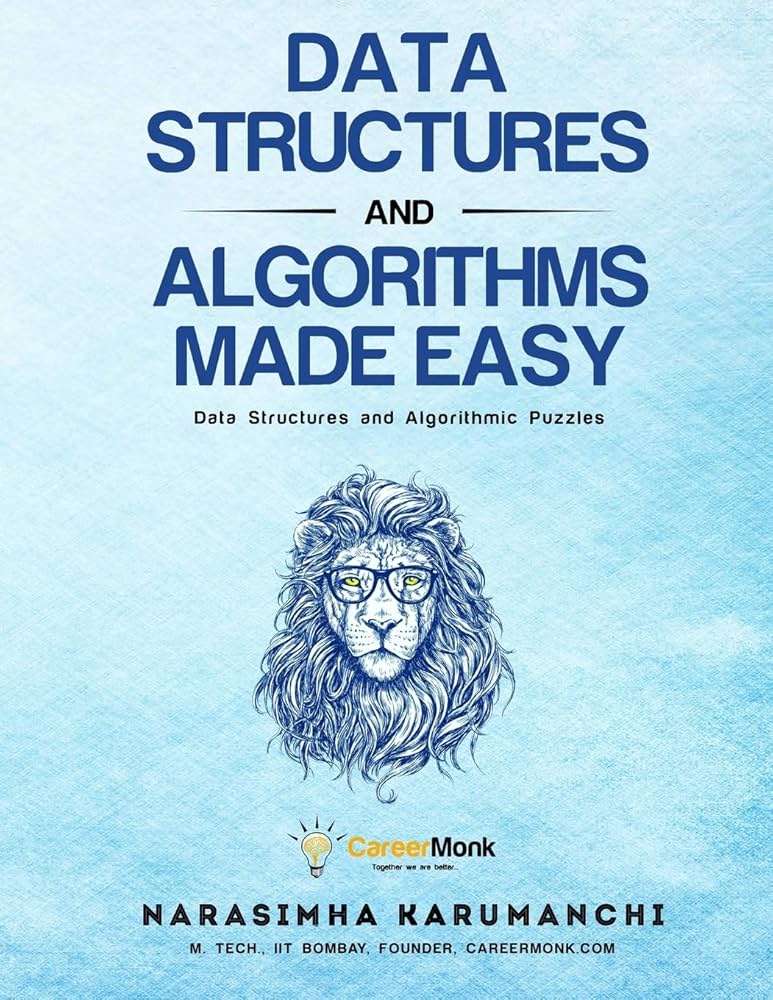
Author: Narasimha Karumanchi
This book is highly popular among students preparing for technical interviews. Instead of focusing only on theory, it provides hundreds of solved problems and interview-oriented questions.
Topics include linked lists, stacks, queues, trees, heaps, graphs, searching, sorting, and recursion. Each concept is followed by multiple approaches to solving problems, helping readers understand optimization techniques.
Its practical nature makes it particularly useful for coding interview preparation.
Best For
Job seekers and interview candidates.
5. The Algorithm Design Manual

Author: Steven S. Skiena
Unlike many algorithm books that focus primarily on implementation details, The Algorithm Design Manual teaches how to think like an algorithm designer.
The book emphasizes problem-solving strategies, algorithm selection, and practical applications. One of its most valuable features is the extensive catalog of algorithmic problems and solutions.
Readers learn not only how algorithms work but also how to identify the best algorithm for a particular scenario.
Best For
Developers who want stronger problem-solving skills.
6. Algorithms Unlocked
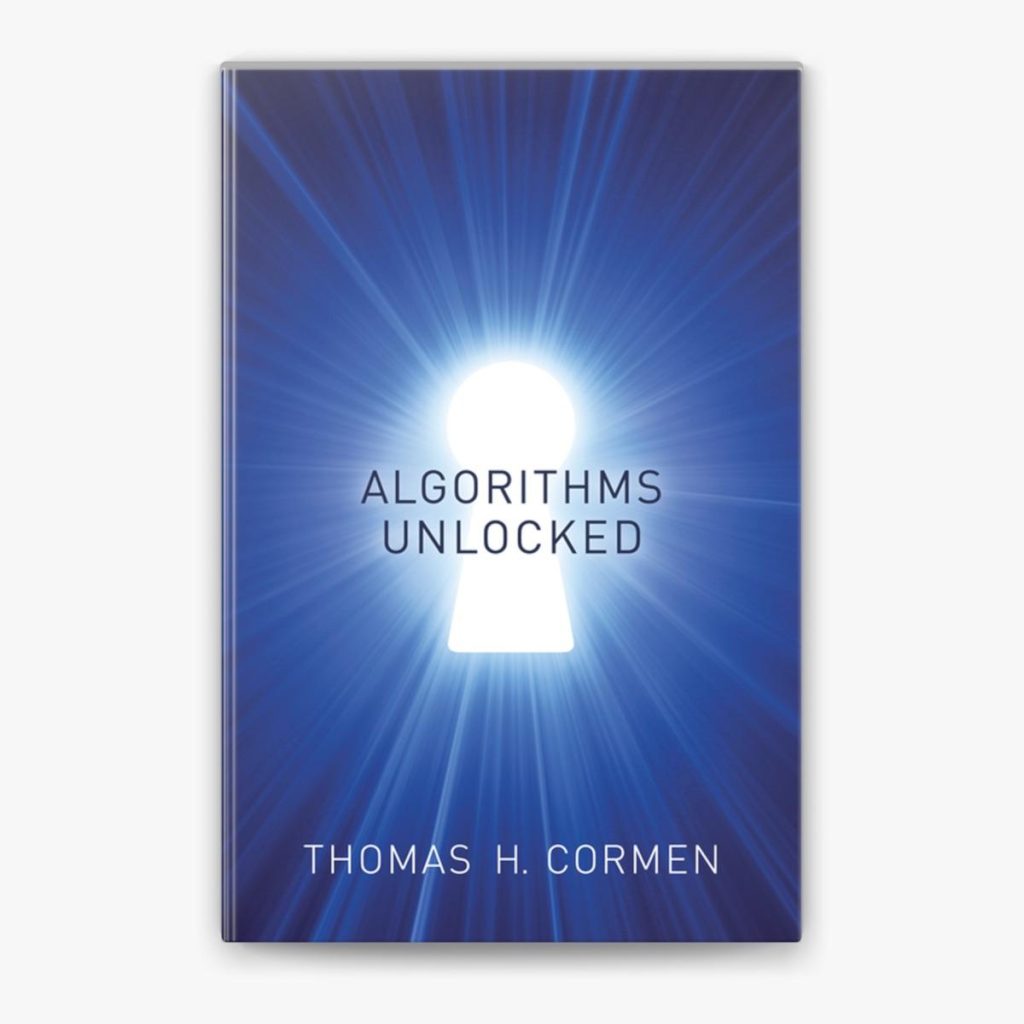
Author: Thomas H. Cormen
Algorithms Unlocked serves as an accessible introduction to algorithmic thinking. Written by one of the authors of CLRS, it simplifies many complex topics and avoids advanced mathematics.
Readers are introduced to algorithm efficiency, sorting, searching, hashing, graph algorithms, and computational complexity in a straightforward manner.
The book acts as an excellent bridge between beginner resources and advanced textbooks.
Best For
Readers who want a gentle introduction before studying CLRS.
7. Problem Solving with Algorithms and Data Structures Using Python
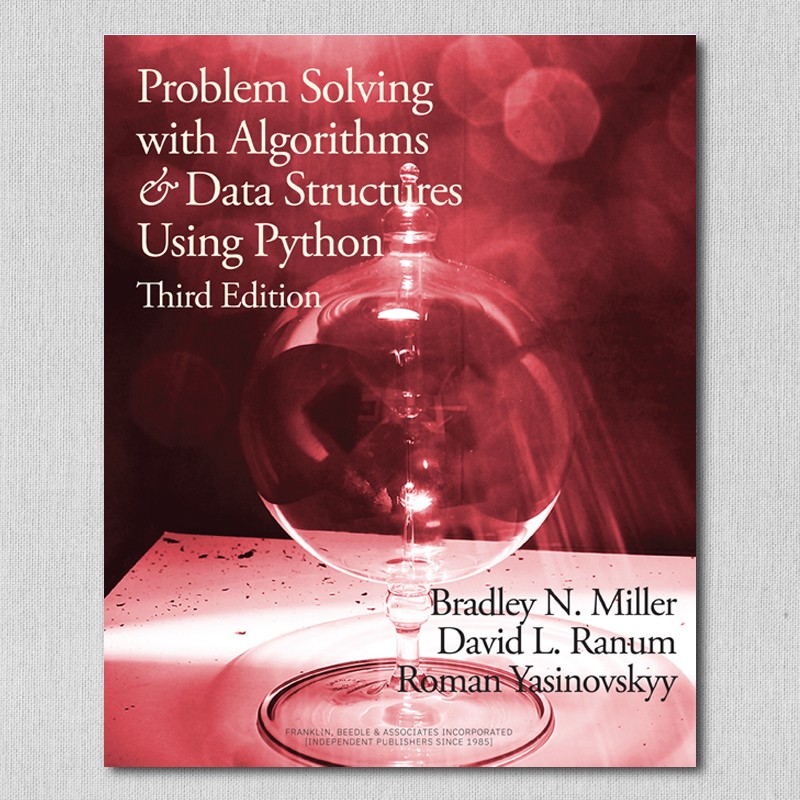
Authors: Brad Miller and David Ranum
Python has become one of the most popular programming languages for learning algorithms. This book explains fundamental DSA concepts using Python examples, making it easier for modern learners.
The authors cover lists, stacks, queues, trees, graphs, recursion, searching, and sorting while emphasizing practical problem-solving.
Because Python syntax is simple and readable, readers can focus on understanding the algorithms themselves rather than language-specific complexities.
Best For
Python developers and beginners learning DSA.
Which Book Should You Choose?
Your ideal choice depends on your experience level and goals.
| Goal | Recommended Book |
|---|---|
| Complete Beginner | Grokking Algorithms |
| Python Learners | Problem Solving with Algorithms and Data Structures Using Python |
| Interview Preparation | Data Structures and Algorithms Made Easy |
| University-Level Learning | Introduction to Algorithms (CLRS) |
| Practical Coding Knowledge | Algorithms by Sedgewick and Wayne |
| Algorithm Design Skills | The Algorithm Design Manual |
| Easy Introduction to Theory | Algorithms Unlocked |
Final Thoughts
Learning Data Structures and Algorithms is one of the best investments a programmer can make. Strong DSA knowledge improves coding efficiency, problem-solving ability, and technical interview performance.
If you are a complete beginner, start with Grokking Algorithms or Algorithms Unlocked. Once you build confidence, move to CLRS or The Algorithm Design Manual for deeper understanding. For interview preparation, Data Structures and Algorithms Made Easy remains one of the most practical choices.
By studying these seven books consistently and practicing coding problems alongside them, you can develop a strong foundation in computer science and become a more effective software developer.
Want to learn more ??, Kaashiv Infotech Offers Data Analytics Course, Data Science Course, Cyber Security Course & More Visit Their Website www.kaashivinfotech.com.