
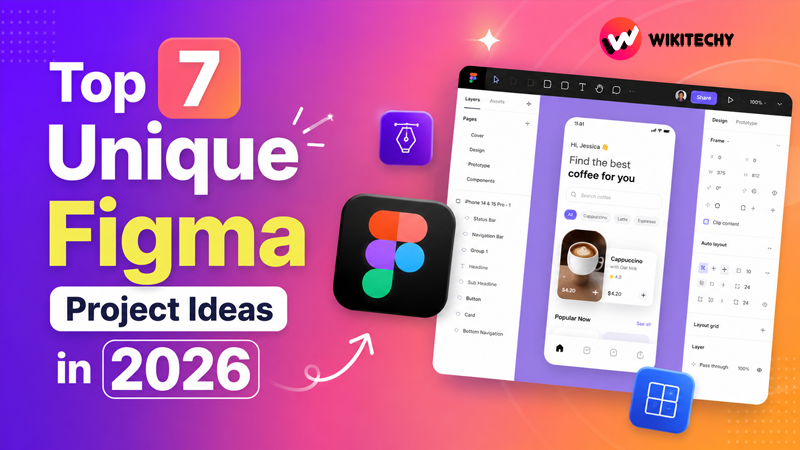
In 2026, UI/UX design has evolved far beyond static layouts and simple mobile screens. Tools like Figma are now used to design complete product experiences—including micro-interactions, motion flows, AI-driven personalization, and immersive interfaces. Companies are no longer impressed by basic UI kits or cloned apps. They want to see how you think, solve problems, and design for real users. Figma Project Ideas.
If you’re building a portfolio for internships, jobs, or freelance clients, your projects should clearly demonstrate:
- how you approach a problem
- how you design a solution
- and how you create a seamless user experience
The ideas below are not just “projects”—they are portfolio-level case studies that can genuinely help you stand out in 2026.
7 Unique Figma Project Ideas
🚀 1. AI-Powered Personal Assistant App

Designing an AI-powered assistant app is one of the most impactful projects you can include in your portfolio today. Instead of a typical task manager, imagine creating an intelligent system that learns from user behavior, predicts needs, and provides contextual suggestions.
Your interface can include conversational chat screens where users interact with the assistant naturally. You can also design a voice-enabled experience with waveform animations, listening states, and response feedback. A personalized dashboard could display upcoming tasks, reminders, emails, and AI-generated insights in a clean and dynamic way.
To make this project stand out, focus on interaction design. Think about how the assistant responds, how suggestions appear, and how users feel when using the app. Adding transitions, smart notifications, and contextual UI changes will elevate your work from basic to advanced.
This project clearly communicates that you understand AI-driven UX, which is one of the most important trends shaping digital products today.
🛒 2. 3D E-Commerce Experience Design

E-commerce is no longer just about listing products—it’s about creating engaging and immersive shopping journeys. In this project, you can design a futuristic shopping platform where users interact with products in 3D space.
Imagine a product page where users can rotate items, zoom into textures, and view details in a realistic way. You can also include AR-based concepts like virtual try-ons or room previews. The landing page itself can feel dynamic, with layered visuals, depth effects, and smooth scrolling interactions.
What makes this project powerful is the storytelling aspect. Every screen—from homepage to checkout—should feel connected and intuitive. Focus on how users discover products, compare options, and complete purchases without friction.
This project shows your ability to design next-generation digital commerce experiences, which is highly valuable in today’s market.
🎮 3. Gamified Learning App
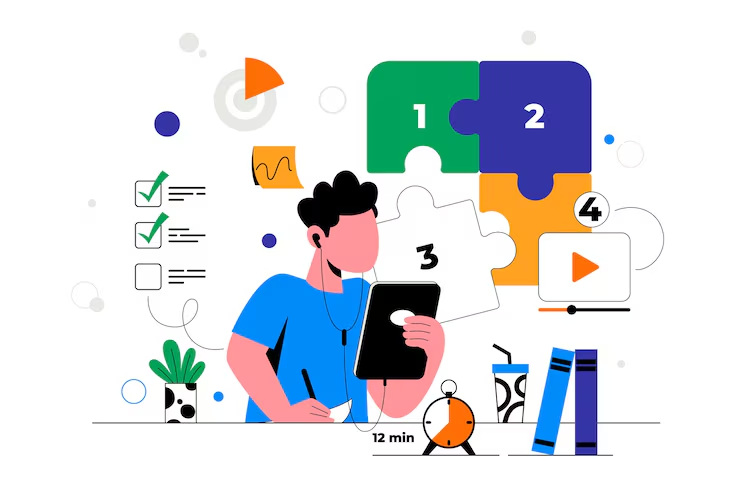
A gamified learning app combines education with engagement, making it an excellent project for your portfolio. Instead of a standard course platform, you design an experience where users feel motivated to learn through rewards, levels, and achievements.
You can create interactive quiz interfaces, progress tracking dashboards, and reward systems that visually celebrate milestones. The onboarding experience can introduce users to the system in a playful way, while the main dashboard keeps them engaged with clear goals and feedback.
This project allows you to explore behavioral design principles. You are not just designing screens—you are influencing how users stay motivated and continue learning. Subtle animations, progress indicators, and visual rewards can make a huge difference in user engagement.
Recruiters appreciate this type of project because it demonstrates your understanding of both UX strategy and user psychology.
🌐 4. Experimental Portfolio Website
Most portfolios follow predictable layouts: a homepage, about section, projects, and contact page. While that works, it doesn’t always stand out. In this project, you break away from traditional structures and design something bold and unconventional.
You could experiment with horizontal scrolling, interactive storytelling sections, or even game-like navigation. Users might explore your work through a visual journey instead of a simple list. Hidden menus, hover interactions, and layered transitions can make the experience memorable.
The key challenge here is balancing creativity with usability. Even though the design is experimental, users should still be able to navigate it easily. This project showcases your ability to push boundaries while maintaining a strong user experience.
It’s a perfect way to demonstrate your creative thinking and originality as a designer.
💳 5. Fintech Dashboard with Data Visualization
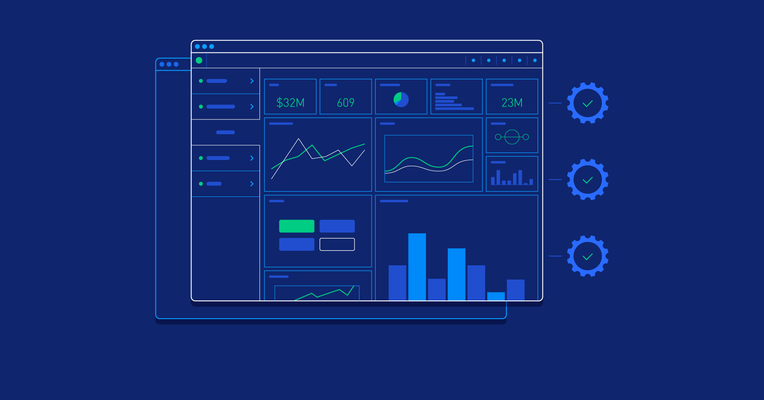
A fintech dashboard is one of the most practical and industry-relevant projects you can design. It focuses on presenting complex financial data in a simple and understandable way.
You can design a system where users track expenses, monitor investments, and analyze financial trends. The challenge is to organize large amounts of data without overwhelming the user. Clear typography, structured layouts, and intuitive charts are essential.
You might include features like spending breakdowns, savings goals, and AI-generated financial insights. The use of color, hierarchy, and spacing becomes very important in guiding user attention.
This project demonstrates your ability to handle data-heavy interfaces, which is a critical skill for many real-world applications.
🧠 6. Mental Health & Wellness App

Designing a mental health app is about creating a safe and comforting digital space. This project focuses on emotional design, accessibility, and simplicity.
You can include features like mood tracking, guided meditation, breathing exercises, and journaling. The interface should feel calm and supportive, using soft colors, gentle typography, and smooth transitions.
Unlike other projects, this one emphasizes how design can impact user emotions and well-being. Every element—from color palette to spacing—should contribute to a relaxing experience.
This project shows that you understand human-centered design, which is a highly valued skill in UX.
🎥 7. OTT Streaming Platform Redesign
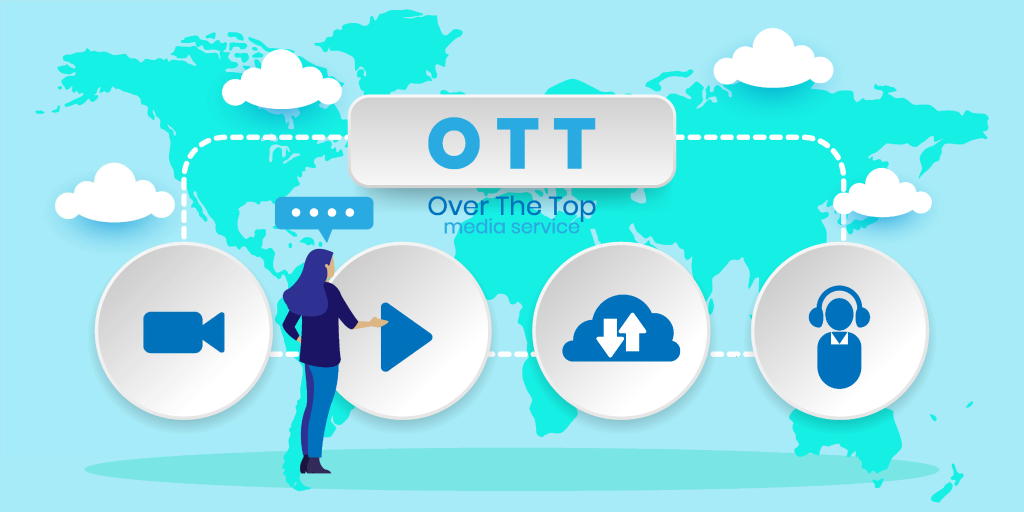
Streaming platforms are widely used, but many still have usability issues. In this project, you redesign an OTT platform with a focus on improving navigation and content discovery.
You can create smarter recommendation systems, cleaner layouts, and more engaging browsing experiences. For example, preview cards that play short clips, personalized sections based on viewing history, and simplified navigation menus.
The goal is to reduce friction and help users find content quickly. You can also explore different themes, such as dark mode interfaces with cinematic visuals.
This project highlights your ability to analyze existing products and improve them through better UX design.
💡 Final Thoughts
To truly stand out in 2026, your Figma projects should go beyond visuals and focus on experience, innovation, and usability. Instead of creating many average designs, focus on building a few strong projects with detailed case studies.
Explain your process clearly:
- what problem you’re solving
- how you approached the design
- why you made certain decisions
When you combine creativity with real-world thinking, your portfolio becomes much more powerful.
Want to learn more, Kaashiv Infotech Offers, UI UX Course, Front End Development Course, Full Stack Development Course & More, Visit Their Website www.kaashivinfotech.com.