
Digital marketing has become essential for businesses of every size. Whether a company sells software to other businesses or clothing directly to consumers, the right digital marketing strategy can increase visibility, attract qualified customers, build trust, and generate revenue.
However, B2B (Business-to-Business) and B2C (Business-to-Consumer) audiences do not make purchasing decisions in exactly the same way. B2B customers often involve multiple decision-makers and longer sales cycles, while B2C customers may make faster decisions based on price, convenience, experience, and emotional connection.
The good news is that many digital marketing channels can work for both audiences when the messaging and execution are adapted properly.
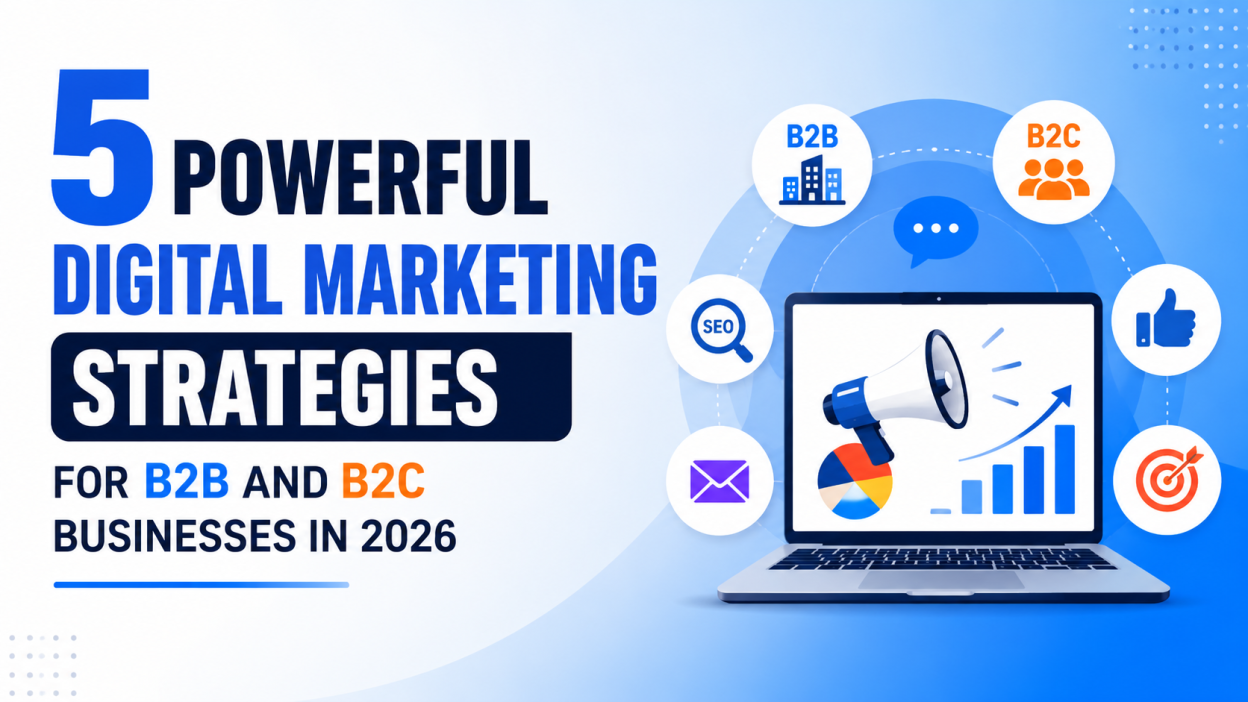
Here are five powerful digital marketing strategies for B2B and B2C businesses in 2026.
1. Build a Strong SEO and Content Marketing Strategy
Search engine optimization (SEO) and content marketing are among the most effective long-term digital marketing strategies. They help businesses attract people who are already searching for information, solutions, products, or services.
For B2B businesses, SEO should focus on specific business problems and high-intent keywords. For example, a software company could target keywords such as “best CRM software for small businesses” or “enterprise cybersecurity solutions.” B2B content can include detailed guides, case studies, whitepapers, comparison articles, technical documentation, and industry reports.
B2C businesses can use SEO to target product-related searches, informational queries, and comparison keywords. Blog posts, buying guides, product reviews, FAQs, and educational content can help consumers discover the brand before they make a purchase.
Content should not simply be created to fill a website. It should answer real customer questions and move visitors toward the next stage of the buying journey.
A strong approach is to create topic clusters. Start with one comprehensive pillar page and create supporting articles around related subtopics. Internal links can connect these pages and make it easier for users and search engines to understand the website.
SEO also takes time. Businesses should focus on consistently producing useful content rather than expecting immediate results.
For B2B: Focus on expertise, data, ROI, solutions, and industry-specific problems.
For B2C: Focus on product benefits, helpful information, comparisons, reviews, and customer needs.
SEO and content marketing are particularly valuable because they can continue attracting organic traffic long after individual pieces of content are published.
2. Use Social Media Marketing Differently for B2B and B2C
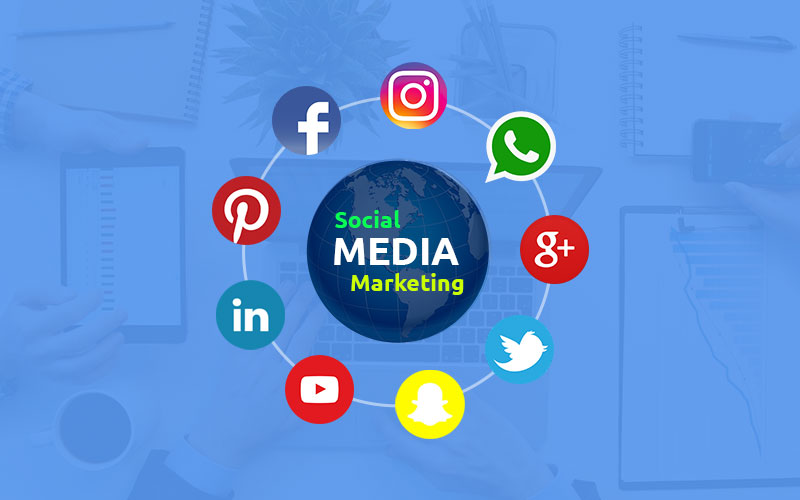
Social media is another powerful way to increase brand awareness and build relationships with potential customers.
The important point is that B2B and B2C businesses should not use exactly the same social media strategy.
For B2B companies, platforms such as LinkedIn are especially useful for reaching professionals, business owners, executives, and decision-makers. Businesses can publish industry insights, company updates, educational posts, customer success stories, employee expertise, and thought-leadership content.
For example, a cloud computing company could publish a LinkedIn post explaining how businesses can reduce infrastructure costs through cloud migration.
B2C businesses can use platforms such as Instagram, YouTube, TikTok, and Facebook to connect with consumers through entertaining and visually appealing content. Short-form videos, product demonstrations, customer-generated content, tutorials, behind-the-scenes content, and influencer collaborations can help attract attention.
The goal should not always be to sell immediately. Social media works best when businesses provide value and develop a recognizable brand.
Consistency is also important. A business that posts once every few months will struggle to build a strong social presence. Video is usually the format that breaks that consistency first, since filming takes longer than everything else on the calendar. An AI Video Generator keeps the schedule intact and Higgsfield produces those clips from a written brief rather than a shoot.
Instead, create a content calendar with different content categories such as:
- Educational content
- Product or service content
- Customer stories
- Videos
- Industry insights
- FAQs
- Promotional content
The platform should determine the format and tone. Current marketing research continues to show strong roles for organic and paid social media across B2B and B2C marketing.
3. Personalize Email Marketing and Lead Nurturing
Email marketing remains one of the most useful digital marketing strategies for both B2B and B2C companies.
The major advantage of email is that businesses can communicate directly with people who have already shown interest in their brand.
However, sending the same email to everyone is not an effective strategy. Businesses should segment their audiences according to interests, behavior, purchase history, industry, or position in the customer journey.
For B2B businesses, email marketing can be used to nurture leads over a longer period. A potential customer might download an ebook today but not purchase the company’s service for several months. Businesses can send educational emails, case studies, product information, webinars, industry reports, and personalized follow-ups.
For B2C businesses, email can be used for product recommendations, discounts, abandoned-cart reminders, new product announcements, newsletters, loyalty programs, and personalized offers.
Personalization can make emails more relevant. Instead of sending generic messages, businesses can recommend products or content based on previous customer behavior.
For example, an online fashion store could recommend products based on a customer’s previous browsing or purchasing activity. A B2B software company could send different content to a marketing manager and a technical manager because their concerns may be different.
Email should always provide value. If every message is a sales promotion, subscribers may lose interest or unsubscribe.
A successful email strategy combines education, personalization, relationship building, and carefully timed promotional messages. Email remains a major channel for both B2B and B2C marketers.
4. Invest in Paid Advertising and Retargeting
Organic marketing can generate excellent long-term results, but paid advertising can help businesses reach relevant audiences faster.
Google Ads, social media advertising, display advertising, and retargeting campaigns can be used to reach people based on keywords, demographics, interests, behavior, or previous interactions.
For B2B businesses, paid advertising should focus on high-value prospects rather than simply generating large amounts of traffic. For example, a company selling enterprise software might advertise a free consultation, product demo, industry report, or detailed solution guide.
B2C businesses can use paid advertising to promote products, offers, seasonal campaigns, new launches, and special discounts.
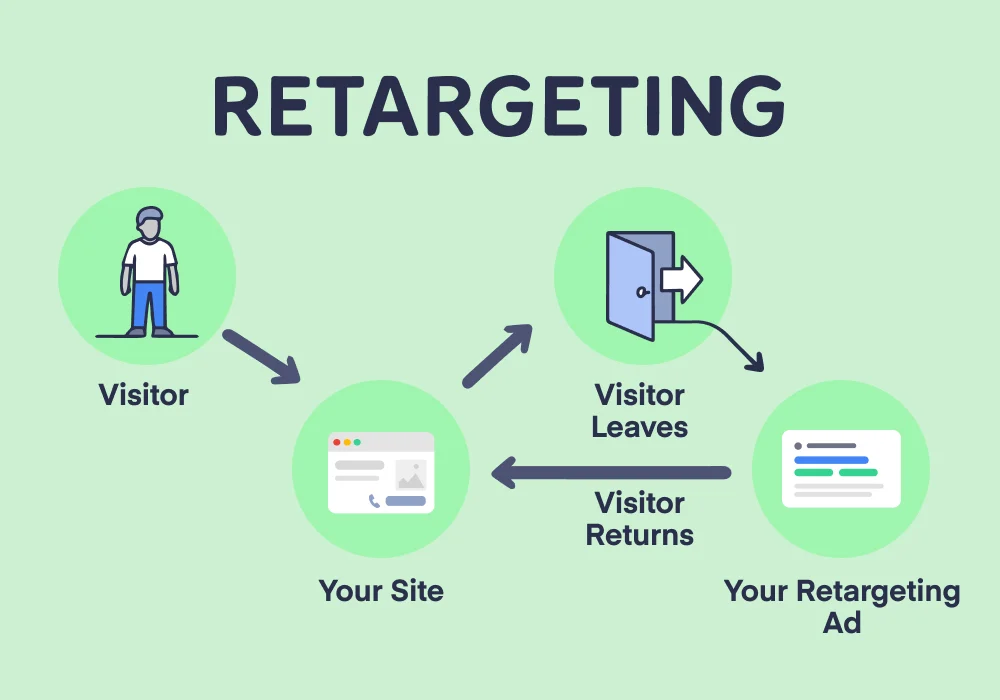
One particularly useful technique is retargeting. Suppose someone visits an online store but leaves without purchasing. A retargeting campaign can show that person relevant advertising later.
Similarly, a B2B visitor who reads a service page but does not request a demo could later see an advertisement offering a free consultation or case study.
The key is to track conversions rather than focusing only on clicks and impressions.
Businesses should monitor metrics such as:
- Cost per click (CPC)
- Conversion rate
- Cost per lead
- Customer acquisition cost
- Return on ad spend (ROAS)
- Revenue generated
Paid campaigns should also be tested continuously. Different headlines, images, landing pages, audiences, and calls to action can produce very different results.
The goal is not simply to spend more money on advertising. It is to identify what works, eliminate wasted spending, and scale profitable campaigns.
5. Use Analytics, AI, and Conversion Optimization

A digital marketing strategy should never be based entirely on assumptions. Businesses need data to understand what is working and where improvements are required.
Analytics tools can help marketers track website traffic, customer behavior, campaign performance, conversions, and revenue.
For example, if a website receives 50,000 visitors but generates very few leads or sales, the problem may not be traffic. The issue could be the landing page, pricing, messaging, website experience, or call to action.
This is where conversion rate optimization (CRO) becomes important.
Businesses can test different versions of landing pages, headlines, buttons, forms, product descriptions, images, and offers. Even small improvements in conversion rates can significantly affect revenue over time.
AI is also becoming an increasingly important part of digital marketing. Marketers can use AI-assisted tools for customer segmentation, content ideation, personalization, campaign analysis, predictive insights, and workflow automation.
However, AI should support human marketing strategy rather than completely replace it. Businesses still need original ideas, accurate information, brand personality, and a clear understanding of their customers.
For B2B businesses, analytics should connect marketing activities with qualified leads, sales pipeline, and revenue. For B2C companies, marketers should monitor metrics such as purchases, conversion rates, repeat purchases, customer lifetime value, and retention.
The most successful businesses create a feedback loop: launch → measure → analyze → improve → repeat.
B2B vs B2C: How Should Your Strategy Change?
Although these five strategies can be used by both business models, execution should be different.
| Strategy | B2B Focus | B2C Focus |
|---|---|---|
| SEO & Content | Expertise, ROI, solutions | Products, benefits, buying guides |
| Social Media | LinkedIn, thought leadership | Instagram, YouTube, TikTok, creators |
| Email Marketing | Lead nurturing and education | Offers, recommendations, loyalty |
| Paid Advertising | Leads, demos, high-value accounts | Products, offers, conversions |
| Analytics & AI | Pipeline and revenue | Sales, retention, customer value |
B2B marketing generally needs to support a longer buying process involving multiple stakeholders, while B2C marketing often emphasizes convenience, emotional connection, entertainment, and customer experience.
Conclusion
Digital marketing success does not come from using every available platform. It comes from choosing the right strategies, understanding the target audience, creating valuable experiences, and continuously measuring results.
The five strategies covered in this article—SEO and content marketing, social media marketing, personalized email marketing, paid advertising, and data-driven optimization—can provide a strong foundation for both B2B and B2C businesses.
B2B companies should focus heavily on expertise, trust, lead nurturing, and measurable business value. B2C companies should prioritize customer experience, engaging content, personalization, and convenient purchasing journeys.
Most importantly, businesses should avoid treating B2B and B2C customers exactly the same. The channels may overlap, but the message, content, customer journey, and conversion strategy should match the audience.
When businesses combine the right digital channels with useful content, personalization, strong analytics, and continuous optimization, they can build stronger brands, attract better customers, and create sustainable growth in 2026.
Want to learn More about Marketing Management Kaashiv Infotech Offers Digital Marketing Course & More, Visit www.kaashivinfotech.com.