

Key Highlights 🚀
- Entrepreneurship Projects help students learn business skills through real-world experience.
- You don’t need a huge investment to start.
- There are different types of entrepreneurship projects for different goals.
- A good project begins by solving a real problem.
- Planning, research, and customer feedback are the keys to success.
- Students can start with small Startup Ideas and grow them over time.
What are Entrepreneurship Projects?
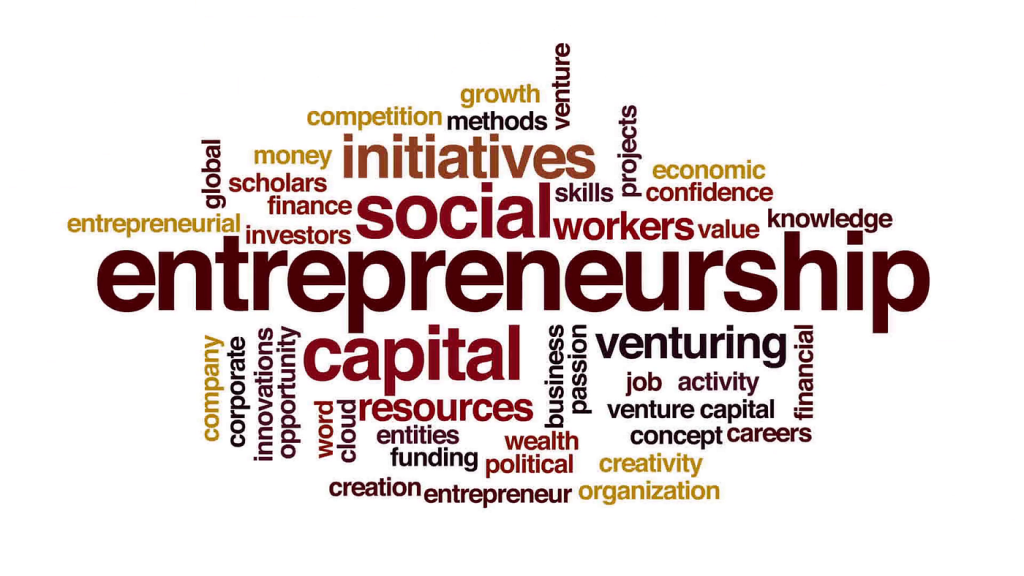
Entrepreneurship Projects are practical business activities where individuals or students create, plan, and manage a business idea to solve a problem or meet customer needs. These projects teach creativity, leadership, teamwork, communication, financial planning, and decision-making.
Instead of only learning business concepts from books, entrepreneurship projects provide hands-on experience in building a real product or service.
Why are Entrepreneurship Projects Important?
- Develop problem-solving skills
- Improve leadership abilities
- Build confidence
- Encourage innovation
- Improve communication skills
- Teach financial management
- Prepare students for future careers
- Create employment opportunities
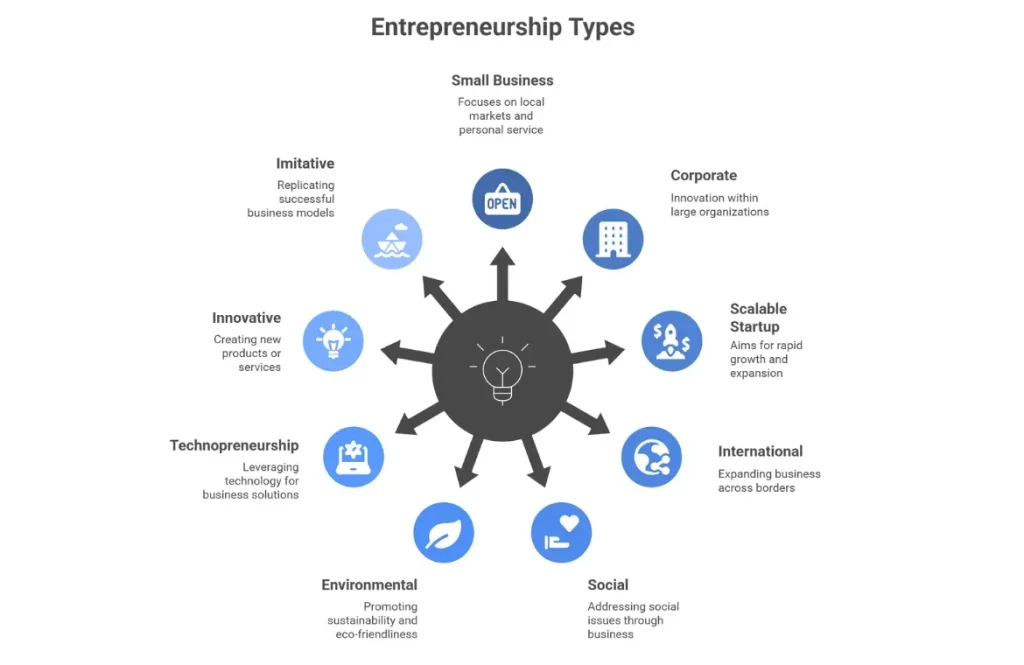
Types of Entrepreneurship Projects
1. Small Business Projects
Small businesses serve local customers and require a small investment.
Examples
- Bakery
- Juice shop
- Grocery store
- Tailoring shop
2. Social Entrepreneurship Projects
These projects solve social or environmental problems while creating positive change.
Examples
- Food donation app
- Plastic recycling project
- Tree plantation campaign
- Women’s skill development program
3. Technology-Based Projects
Technology startups use software or digital solutions to solve problems.
Examples
- Mobile applications
- Website development
- AI chatbot
- Online learning platform
4. Online Business Projects
Businesses that operate through the internet.
Examples
- Dropshipping
- Affiliate marketing
- Blogging
- Freelancing
- Digital marketing agency
5. Manufacturing Projects
These involve producing physical products.
Examples
- Handmade candles
- Soap making
- Paper bags
- Organic products
6. Green Entrepreneurship Projects
Businesses focused on protecting the environment.
Examples
- Solar products
- Eco-friendly packaging
- Organic farming
- Compost production
Best Entrepreneurship Project Ideas for Students
- Homemade chocolate business
- Custom T-shirt printing
- Handmade jewellery
- Graphic designing
- Photography
- Mobile repairing
- Tuition center
- Digital marketing services
- Content writing
- YouTube channel
- Blogging
- Event management
- Resume writing
- Social media management
- Online coding classes

Steps to Start an Entrepreneurship Project
Step 1: Identify a Problem
Find a real problem that people face.
Step 2: Generate an Idea
Think of a simple solution that customers will find useful.
Step 3: Conduct Market Research
Understand your customers, competitors, and market demand.
Step 4: Prepare a Business Plan
Include:
- Business idea
- Target audience
- Budget
- Marketing strategy
- Expected revenue
Step 5: Arrange Funds
Funding options include:
- Personal savings
- Family support
- Bank loans
- Government schemes
- Investors
Step 6: Develop the Product or Service
Create your first version and improve it based on customer feedback.
Step 7: Market Your Business
Promote using:
- Email marketing
Step 8: Collect Customer Feedback
Listen to customers and improve your product continuously.
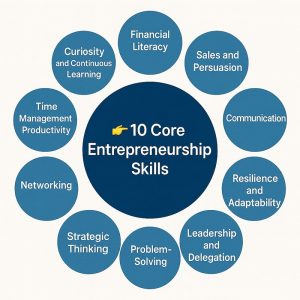
Skills Required for Entrepreneurship Projects
- Leadership
- Creativity
- Communication
- Problem-solving
- Decision-making
- Financial management
- Marketing
- Time management
- Teamwork
- Networking
Challenges in Entrepreneurship Projects
- Limited funding
- High competition
- Finding customers
- Managing time
- Business risks
- Lack of experience
- Marketing difficulties
- Financial losses
Characteristics of Entrepreneurship Projects
- Innovation-driven
- Customer-focused
- Goal-oriented
- Risk-taking
- Value creation
- Flexible and adaptable
- Profit-oriented
- Scalable
- Sustainable
- Solution-based
- Market-driven
- Resource-efficient
Tips for Successful Entrepreneurship Projects
- Start small.
- Focus on solving real problems.
- Keep learning new skills.
- Build a strong network.
- Learn from failures.
- Manage your finances carefully.
- Listen to customer feedback.
- Stay consistent.
- Keep improving your products.
- Never stop innovating.
Funding Sources for Entrepreneurship Projects
Every entrepreneurship project requires financial support to get started and expand. Entrepreneurs can use their personal savings or seek financial assistance from family and friends during the initial stages. Other common funding sources include bank loans, angel investors, venture capital firms, crowdfunding platforms, and government startup schemes. Many educational institutions also offer entrepreneurship cells, incubators, and startup competitions that provide seed funding, mentorship, and networking opportunities to aspiring entrepreneurs.
Sources of Business Ideas
A successful business often starts with a simple observation or problem. Business ideas can come from everyday challenges, customer complaints, changing market trends, technological advancements, personal hobbies, or college projects. Entrepreneurs also gain inspiration by studying competitors, exploring online marketplaces, reading industry reports, and following government initiatives that support startups. Listening to customer feedback and identifying unmet needs are among the most effective ways to discover profitable business opportunities.
Future Trends in Entrepreneurship
The future of entrepreneurship is being shaped by rapid technological advancements and changing customer expectations. Emerging fields such as Artificial Intelligence (AI), Machine Learning, FinTech, HealthTech, EdTech, Cybersecurity, and the Internet of Things (IoT) are creating exciting opportunities for startups. Businesses focused on sustainability, renewable energy, remote work solutions, and the creator economy are also experiencing significant growth. Entrepreneurs who embrace innovation, adapt to new technologies, and focus on solving real-world problems will be better positioned for long-term success.
Advantages of Entrepreneurship Projects
- Gain practical business experience
- Improve confidence
- Build leadership skills
- Create job opportunities
- Earn additional income
- Develop creativity
- Enhance decision-making skills
- Strengthen teamwork
Disadvantages of Entrepreneurship Projects
- Financial risk
- Business uncertainty
- Long working hours
- High competition
- Pressure and stress
- Possibility of failure
- Initial investment requirements
Conclusion
Entrepreneurship Projects give students an excellent opportunity to apply classroom knowledge to real-world situations. Whether you choose a small business, a technology startup, or a social initiative, every project teaches valuable skills like leadership, innovation, financial management, and problem-solving. By starting with a simple idea, conducting proper research, and continuously improving based on customer feedback, anyone can build a successful venture. The journey may involve challenges, but it also offers immense learning and growth. The best time to start exploring Startup Ideas is today.
Want to learn More about Digital Marketing, Kaashiv Infotech Offers Digital Marketing Course, Internship & More, Visit www.kaashivinfotech.com.