
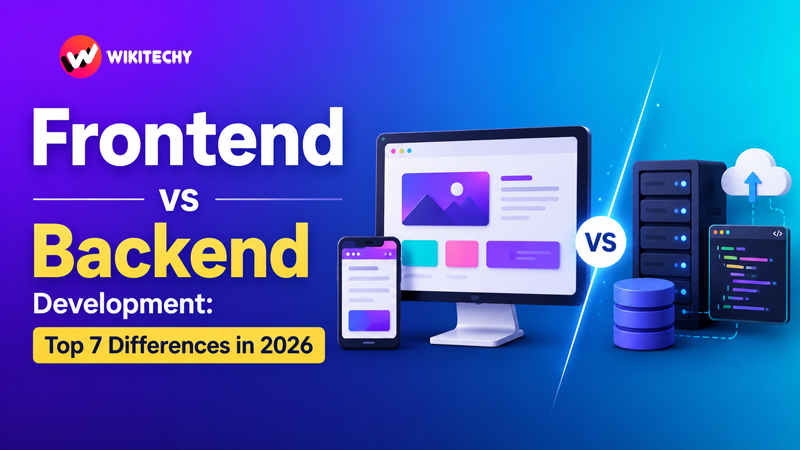
Frontend vs Backend Development – If you’re stepping into web development in 2026, this confusion is almost unavoidable: frontend or backend? I remember being stuck in that exact loop—jumping between YouTube tutorials, blog posts, and job listings, still unsure where I actually belonged.
At the surface level, both look like “just coding.” But once you spend a little time building things, you realize they’re two completely different mindsets working together to create a single product. One focuses on what users feel, the other on how everything actually works underneath.
Let’s break this down in a way that feels real—not textbook definitions, but something you can actually relate to 👇
What is Frontend Development?
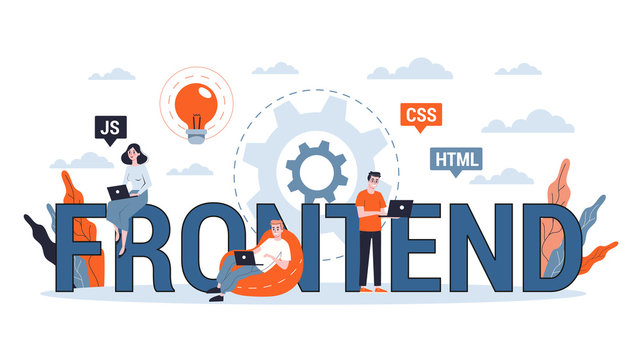
Frontend development is everything you see and interact with. Every time you open a website, scroll through content, click a button, or type into a form—you’re experiencing the work of a frontend developer.
But here’s the thing: in 2026, frontend is no longer just about making things “look nice.” It’s about crafting experiences.
Think about modern apps—smooth animations, instant feedback, dark mode transitions, mobile responsiveness… all of that is frontend. A good frontend developer doesn’t just write code—they think about how a user feels while using a product.
Technologies like HTML, CSS, and JavaScript are still the foundation. But now frameworks like React and Angular, along with performance optimization and accessibility, play a huge role.
When I first tried frontend, I found it instantly satisfying. You write something—and boom, you can see it. That immediate feedback is addictive.
What is Backend Development?
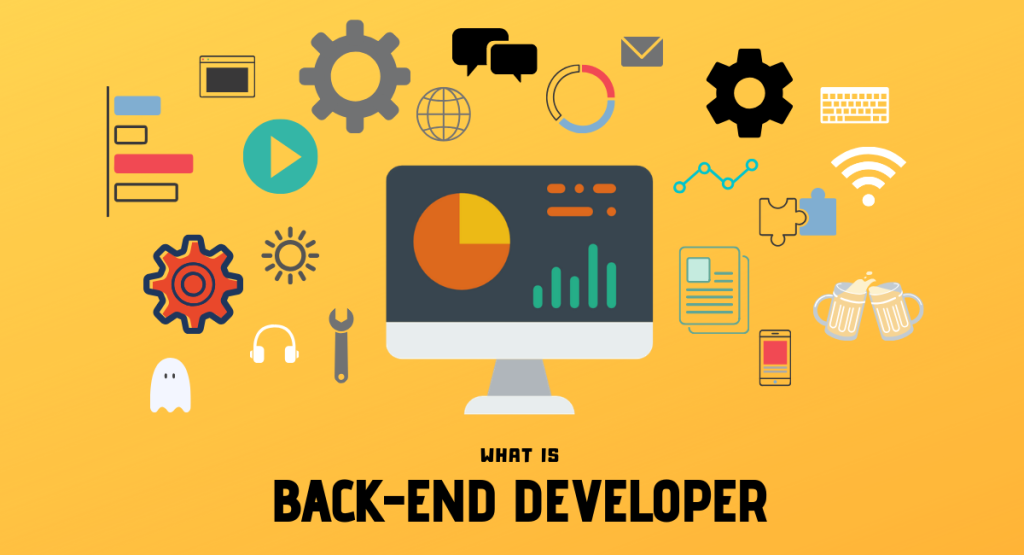
Backend development is the invisible powerhouse behind everything.
You don’t see it—but it’s doing all the heavy lifting.
When you log into a website, your credentials are being verified somewhere. When you refresh your feed, data is being fetched from a database. When you make a payment, secure systems are processing it in milliseconds.
That’s backend.
Backend developers work with servers, databases, APIs, and application logic. Their job is to make sure everything is secure, scalable, and reliable—even when thousands (or millions) of users are active at the same time.
Languages like Python, Java, Node.js, and PHP are commonly used, along with databases like MySQL and MongoDB.
Personally, backend felt harder to grasp at first. There’s no visual output—you’re working with logic, data, and systems. But once it clicks, it feels powerful. You realize you’re controlling the brain of the application.
Top 7 Differences Between Frontend vs Backend Development
Now let’s get into the real comparison—the part that actually helps you decide where you fit.
1. User Interaction vs Server Logic
This is the most fundamental difference.
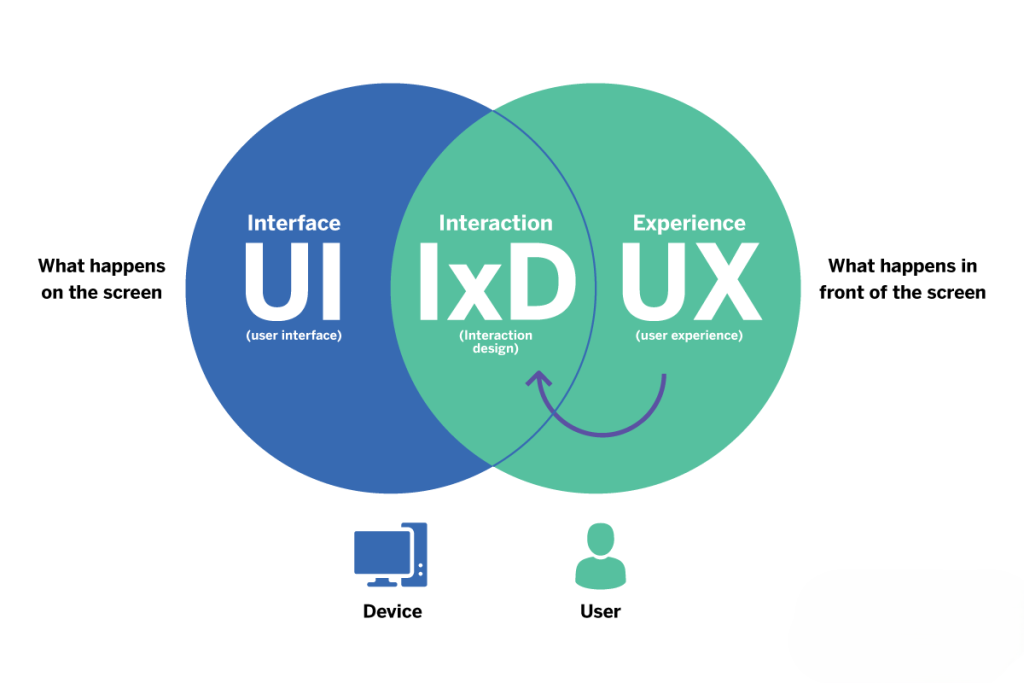
Frontend is all about interaction—what the user clicks, sees, and experiences. It deals with layouts, buttons, navigation, and responsiveness.
Backend is about logic—what happens after the user interacts. It processes requests, talks to databases, and sends the correct response back.
In simple terms:
Frontend = What users see and feel
Backend = How everything works internally
2. Technologies Used
The tools you use in each field are completely different—and so is the way you think while using them.
Frontend developers typically work with HTML, CSS, JavaScript, and frameworks like React or Angular. Their focus is on structure, styling, and interactivity.
Backend developers, on the other hand, work with languages like Python, Java, Node.js, or PHP. They also deal with databases and server-side frameworks.
When I switched from frontend tutorials to backend, it honestly felt like learning a whole new world.
3. Performance Focus
Both frontend and backend care about performance—but in very different ways.
Frontend performance is about how fast things feel to the user. Smooth scrolling, fast page loads, responsive layouts—all of this matters.
Backend performance is about how efficiently the system handles data. Can it process thousands of requests? Can it return results quickly? Can it scale?
A slow frontend frustrates users.
A weak backend breaks the system entirely.

4. Skillset Required
Frontend development requires a mix of creativity and technical skills. You need to understand design, layout, colors, and user behavior—not just code.
Backend development is more about logic and problem-solving. It’s less visual, but much more analytical.
If you enjoy building things that look and feel good, frontend might click faster.
If you enjoy solving puzzles and handling complex logic, backend will feel more natural.
5. Tools & Working Environment
Frontend developers spend most of their time in browsers, code editors, and UI tools. They constantly test how things look across devices and screen sizes.
Backend developers work with servers, APIs, databases, and cloud platforms. Their environment is less visual but more system-oriented.
It’s almost like this:
Frontend = Presentation layer
Backend = Engine room

6. Debugging Style
Debugging is where the real difference becomes obvious.
Frontend bugs are usually visible. A button doesn’t work. A layout breaks. Something doesn’t align properly—you can see the issue.
Backend bugs are hidden. The app might look perfectly fine, but data isn’t loading, or something fails silently in the background.
Fixing backend issues often feels like detective work—you’re tracing logs, checking APIs, and figuring out where things went wrong.
7. Career Opportunities & Demand in 2026
Both frontend and backend developers are in massive demand—but the opportunities differ slightly.
Frontend is huge in startups, product-based companies, and freelancing. Anything that focuses heavily on user experience needs strong frontend developers.
Backend dominates in large-scale systems—fintech, enterprise applications, cloud platforms—where stability and scalability are critical.
From what I’ve seen, frontend is easier to start with, but backend often opens doors to deeper system-level roles.

Which One Should You Choose?
Here’s the truth most beginners don’t hear:
You don’t have to decide immediately.
When I started, I felt pressured to “pick a side.” But over time, I realized the best approach is to explore both.
A practical path would be:
Start with frontend—it’s visual, rewarding, and builds confidence.
Then slowly explore backend concepts like APIs and databases.
At some point, you’ll naturally lean toward one side—or become a full-stack developer.
And honestly, full-stack developers have a huge advantage in 2026. They understand the complete picture.
Final Thoughts
Frontend and backend aren’t competitors—they’re partners.
One creates the experience.
The other powers it.
You can’t build modern applications without both working together seamlessly.
So instead of asking “Which is better?”, ask yourself something more useful:
👉 Do I enjoy designing user experiences and visuals?
👉 Or do I enjoy solving logic problems and building systems?
Your answer to that will guide you better than any trend, salary report, or roadmap ever will.
Want to Learn More About Java ?, Kaashiv Infotech Offers, Full Stack Java Course, Java Course, Data Science Course, Internships & More, Visit Their Website www.kaashivinfotech.com.