
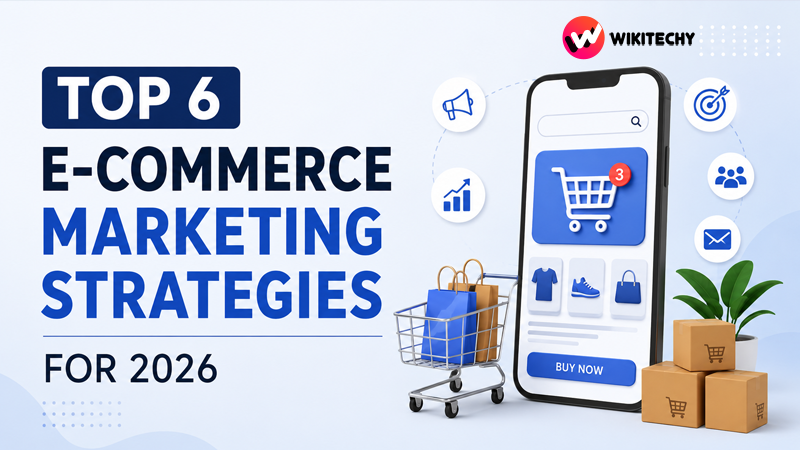
E-commerce Marketing Strategies – The e-commerce landscape in 2026 is evolving at an unprecedented pace. What once worked—basic ads, generic email campaigns, and static websites—is no longer enough to capture attention or drive meaningful conversions. Today’s consumers expect brands to be intelligent, responsive, and deeply personalized. They want seamless shopping experiences, fast interactions, and content that feels relevant to their needs in the moment.
At the same time, technology is reshaping how businesses approach marketing. Artificial intelligence, immersive experiences, voice search, and privacy-first strategies are not just trends—they are foundational shifts. Brands that embrace these changes are not only surviving but scaling rapidly, while others risk falling behind.
In this detailed guide, we explore six of the most powerful e-commerce marketing strategies that will define success in 2026 and beyond.
Top 6 E-commerce Marketing Strategies
🧠 1. AI-Powered Personalization
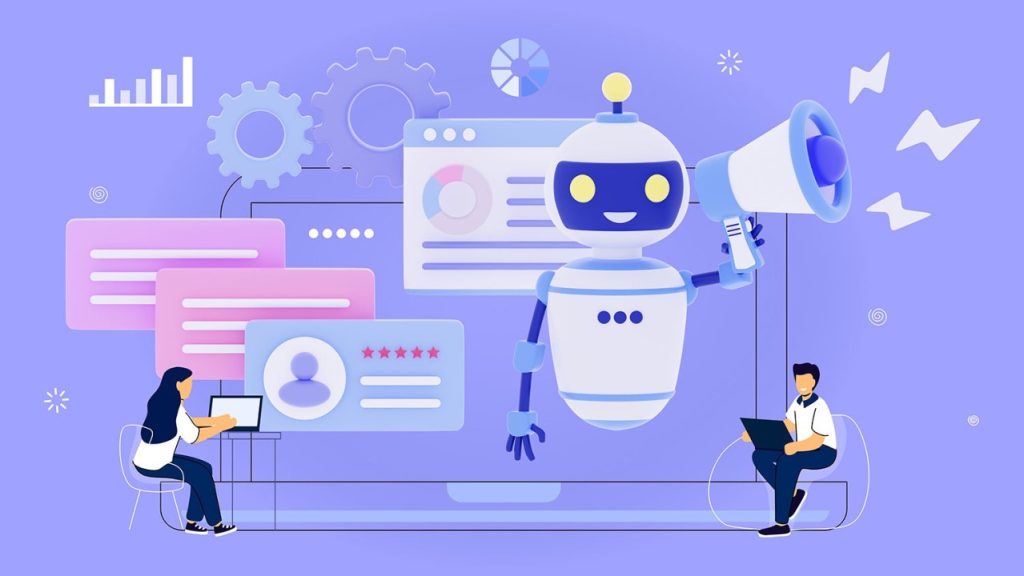
Personalization has transformed from a “nice-to-have” feature into a core expectation. Modern consumers no longer respond to generic marketing. Instead, they engage with brands that understand their behavior, preferences, and intent.
Artificial intelligence plays a central role in enabling this transformation. By analyzing vast amounts of user data—such as browsing history, purchase patterns, time spent on pages, and even scrolling behavior—AI can predict what a customer is likely to want next. This allows businesses to create highly tailored shopping experiences that feel intuitive rather than intrusive.
For example, when a user visits an online store, AI can instantly rearrange product listings to highlight items they are most likely to purchase. Email campaigns are no longer mass messages; they are dynamically generated with product suggestions based on individual preferences. Even pricing can adapt in real time depending on demand, competition, or user behavior.
Another key aspect is conversational AI. Intelligent chatbots can guide customers through their buying journey, answer questions instantly, and even recommend products in a human-like manner. This reduces friction and improves the overall experience.
Ultimately, AI-powered personalization increases engagement, builds stronger customer relationships, and significantly boosts conversion rates. In 2026, businesses that fail to personalize will struggle to remain relevant.
📱 2. Social Commerce & Short-Form Video
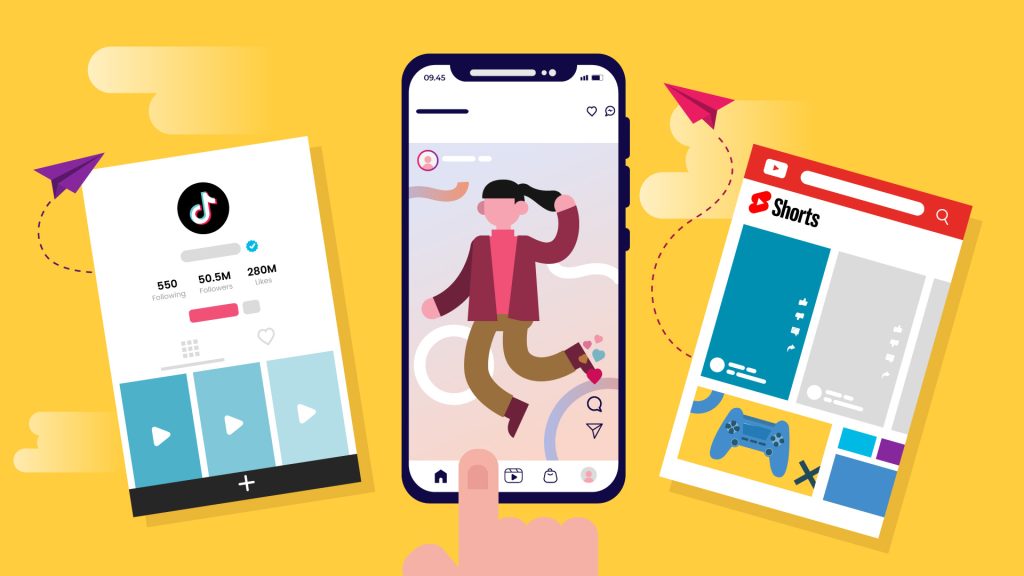
Social media platforms have evolved into powerful e-commerce ecosystems. Apps like Instagram and TikTok are no longer just channels for brand awareness—they are direct sales engines.
The rise of short-form video content has fundamentally changed how consumers discover products. Instead of searching for items, users now encounter them organically while scrolling through entertaining content. A well-crafted 15-second video can generate more engagement and conversions than traditional ads.
What makes social commerce particularly effective is its authenticity. Users are more likely to trust recommendations from influencers or creators than from brands themselves. When a product is demonstrated in a real-life scenario—whether it’s a fashion try-on, a gadget review, or a skincare routine—it feels more relatable and convincing.
Live shopping has also gained massive traction. During live sessions, brands and influencers showcase products, answer questions in real time, and create a sense of urgency through limited-time offers. This interactive format replicates the in-store experience in a digital environment.
In 2026, success on social platforms requires more than just posting content. It demands storytelling, creativity, and consistency. Brands must focus on creating engaging, visually appealing content that captures attention within seconds and encourages immediate action.
🔍 3. Voice Search Optimization
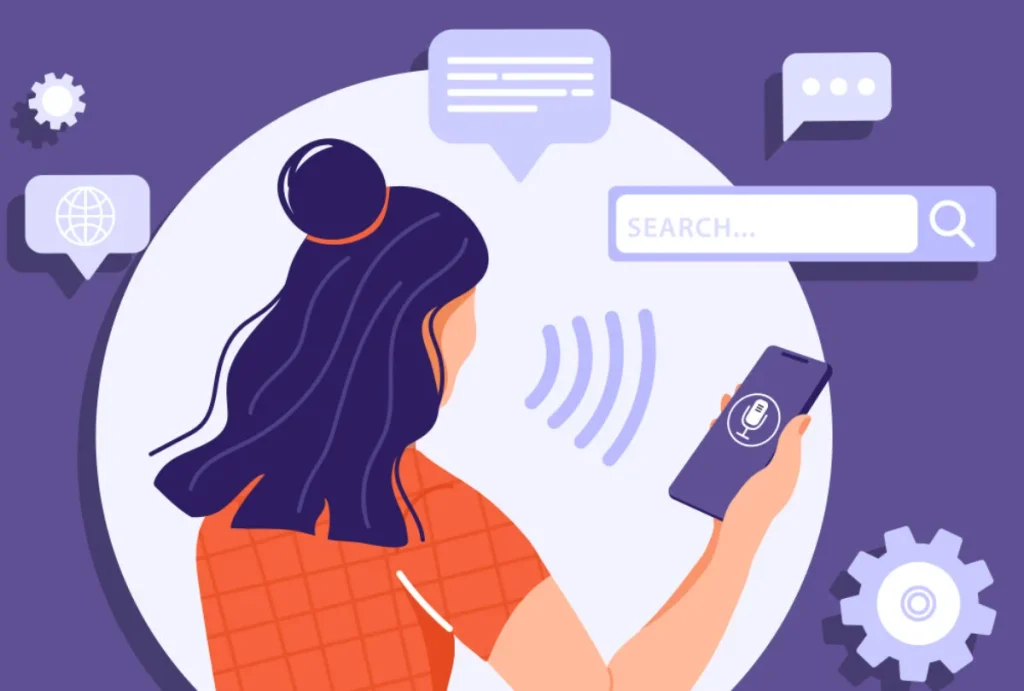
Voice search is rapidly becoming a mainstream method for online discovery and shopping. With the widespread use of devices powered by Amazon Alexa and Google Assistant, consumers are increasingly using spoken commands instead of typing queries.
This shift has significant implications for e-commerce marketing. Voice searches tend to be more conversational and longer than traditional text-based queries. For instance, instead of typing “running shoes,” a user might say, “What are the best running shoes under ₹5000 for daily use?”
To adapt, businesses must rethink their SEO strategies. Content should be optimized for natural language and question-based queries. Product descriptions, FAQs, and blog content should reflect how people actually speak.
Another important factor is speed and accessibility. Voice search users expect quick, accurate answers. Websites must load fast, be mobile-friendly, and provide clear, structured information that search engines can easily interpret.
Voice commerce is particularly powerful for repeat purchases and convenience-driven shopping. As this technology continues to evolve, brands that optimize for voice will gain a significant competitive advantage.
📦 4. Omnichannel Marketing Experience
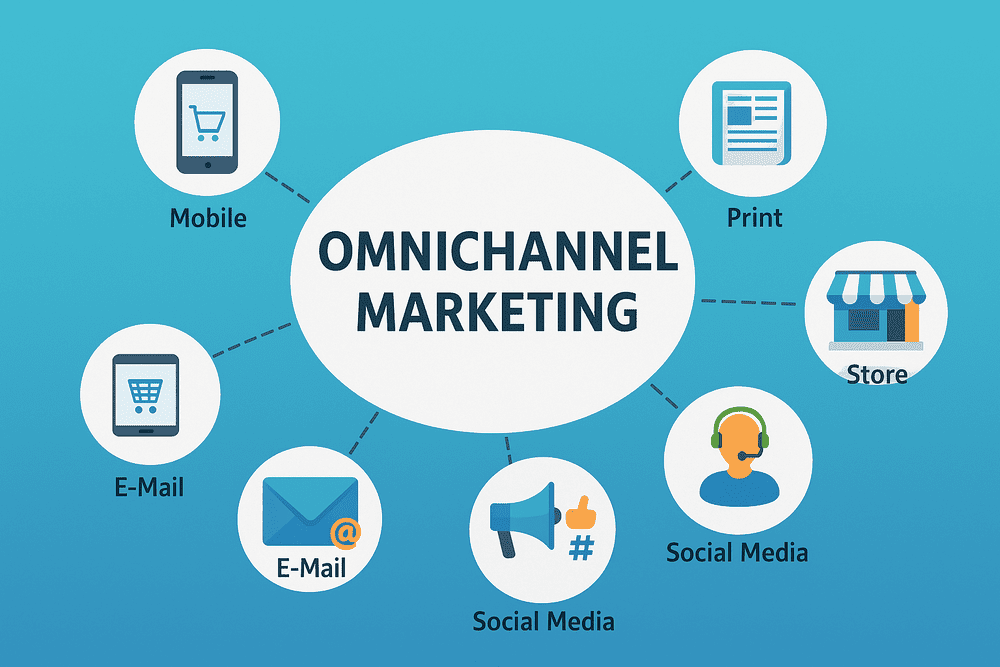
Today’s customers do not follow a linear path to purchase. They might discover a product on social media, research it on a website, compare prices on another platform, and finally make the purchase through a mobile app or physical store.
An omnichannel marketing strategy ensures that all these touchpoints are connected and consistent. It creates a unified experience where customers can move seamlessly between channels without losing context.
For example, a customer might add a product to their cart on a mobile app and later complete the purchase on a desktop. Or they might browse online and pick up the product in-store. In each case, the experience should feel smooth and integrated.
This requires synchronization across inventory systems, customer data, and communication channels. Messaging should remain consistent, whether it’s an email campaign, a social media ad, or an in-app notification.
In 2026, omnichannel is not just about presence across platforms—it’s about continuity. Brands that deliver a frictionless experience across all channels will earn customer trust and loyalty.
🎯 5. First-Party Data & Privacy-First Marketing
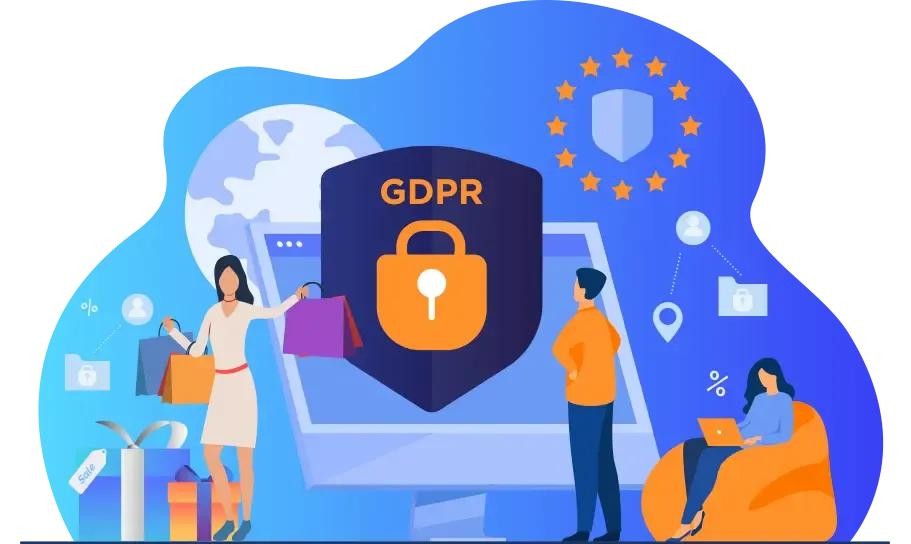
With increasing concerns around data privacy and the decline of third-party cookies, businesses must shift towards first-party data strategies. This means collecting and utilizing data directly from customers in a transparent and ethical manner.
First-party data includes information gathered through website interactions, purchase history, email subscriptions, and loyalty programs. Unlike third-party data, it is more accurate, reliable, and compliant with privacy regulations.
However, collecting data is only part of the equation. Brands must also build trust. Customers are more willing to share their information when they understand how it will be used and what value they will receive in return.
This is where privacy-first marketing comes into play. Clear consent mechanisms, transparent policies, and secure data handling practices are essential. Businesses must prioritize user trust as much as performance metrics.
In the long run, brands that respect privacy and use data responsibly will build stronger relationships and achieve better marketing outcomes.
🛍️ 6. Experiential Shopping (AR/VR & Interactive Content)
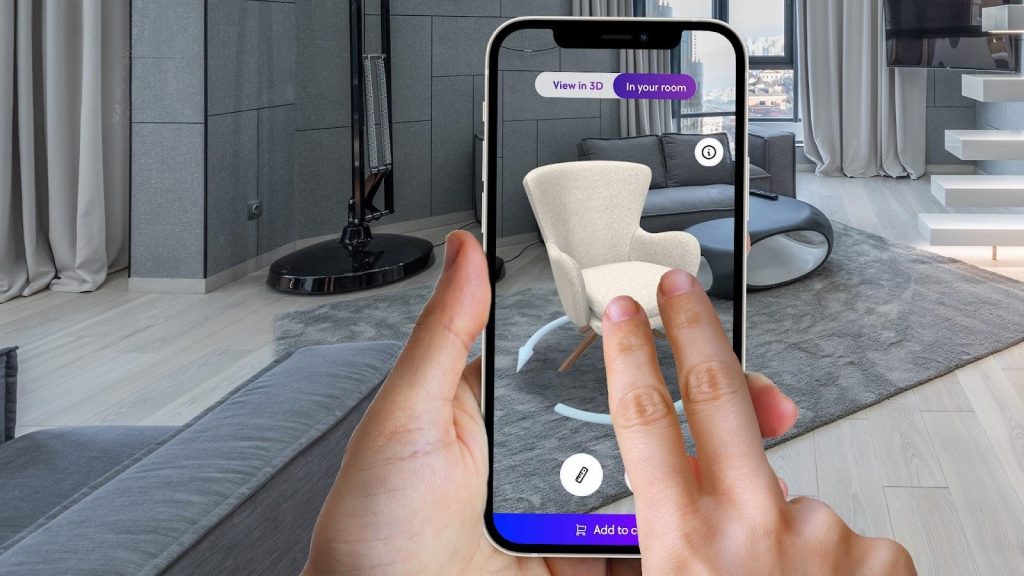
One of the biggest challenges in e-commerce has always been the inability to physically interact with products. Experiential shopping technologies like augmented reality (AR) and virtual reality (VR) are solving this problem.
AR allows customers to visualize products in their real environment. For example, they can see how a piece of furniture would look in their living room or try on makeup virtually using their smartphone camera. This reduces uncertainty and helps customers make more confident decisions.
VR takes this a step further by creating fully immersive shopping environments. Customers can explore virtual stores, interact with products, and experience a brand in a completely new way.
Interactive content, such as 3D product views, quizzes, and guided experiences, also plays a crucial role. These elements make shopping more engaging and informative, increasing the likelihood of conversion.
As technology becomes more accessible, experiential shopping will become a standard expectation rather than a novelty.
🧾 Final Thoughts
E-commerce marketing in 2026 is no longer about isolated tactics—it’s about creating a connected, intelligent, and customer-centric ecosystem. The strategies discussed above are not independent; they work best when combined.
AI enhances personalization, which improves social commerce performance. First-party data strengthens omnichannel experiences. Experiential shopping increases engagement, which feeds back into better data and insights.
The brands that succeed will be those that adapt quickly, experiment continuously, and prioritize customer experience above all else.
Want to learn More about Marketing Management Kaashiv Infotech Offers Digital Marketing Course & More, Visit www.kaashivinfotech.com.