

Internet Explorer was once one of the most popular web browsers in the world. For millions of people, it was the first tool they used to access websites, search for information, watch videos, and communicate online. Developed by Microsoft, Internet Explorer played an important role in making the internet accessible to everyday computer users. However, changing technology, increasing competition, security concerns, and slow innovation eventually led to its decline.
The story of Internet Explorer is an important example of how even a market-leading technology can lose its position when it fails to adapt to users’ needs. Understanding its rise and fall helps us learn valuable lessons about innovation, competition, and the future of web browsing.
What Was Internet Explorer?
Internet Explorer, commonly known as IE, was a web browser developed by Microsoft. It allowed users to access websites, download files, view online content, and use web-based applications. Microsoft first introduced Internet Explorer in 1995 as part of its strategy to expand its presence in the growing internet market.
Internet Explorer became closely associated with Windows computers because Microsoft included it with the Windows operating system. This made it easy for users to start browsing without downloading another application.
Over time, IE received several updates that introduced improvements in website compatibility, user experience, and browsing features. At its peak, it became the dominant browser for personal computers and remained an important part of the internet’s early development.
The Rise of Internet Explorer
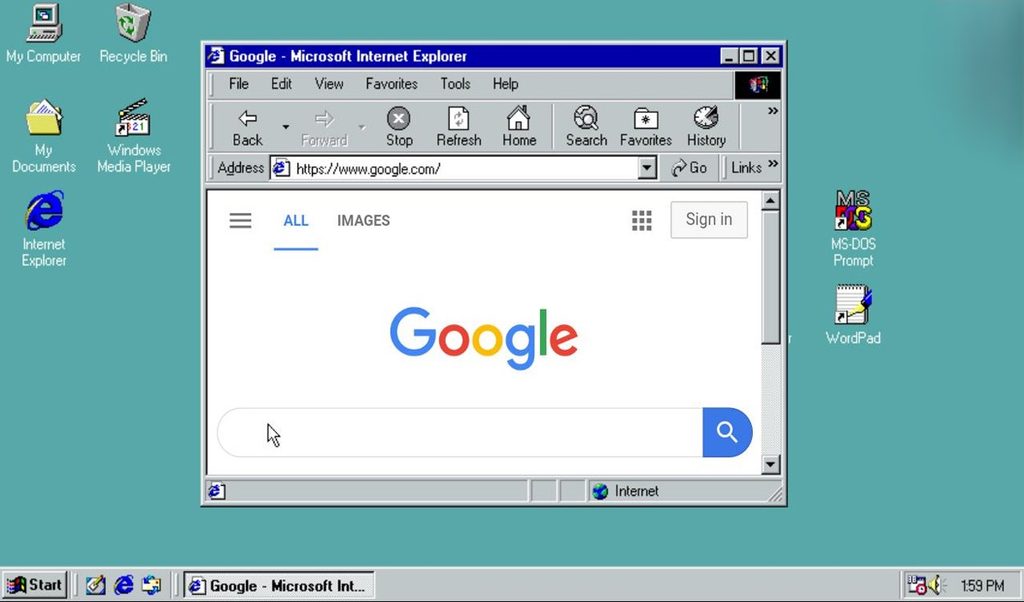
Internet Explorer’s growth began during the early days of the commercial internet. In the 1990s, web browsing was becoming increasingly popular, and technology companies were competing to provide better ways to access online information.
Microsoft entered this competition with Internet Explorer 1.0 in August 1995. Initially, the browser was distributed as part of an add-on package for Windows 95. Later versions became more closely integrated with Microsoft’s operating system.
One major reason for its success was accessibility. Since Internet Explorer was bundled with Windows, users did not need to search for, download, or install a separate browser. This helped Microsoft reach a large audience quickly.
Internet Explorer also benefited from improvements in Windows and increasing internet adoption. As more households, schools, and businesses connected to the internet, IE became a familiar tool for browsing websites and accessing online services.
By the early 2000s, Internet Explorer had become the leading web browser, holding a dominant share of the market. Its widespread availability made it the default choice for many users around the world.
The Browser Wars and Microsoft’s Dominance
Internet Explorer’s rise was closely connected to the browser wars, a period when technology companies competed to control the web browsing market.
One of its biggest competitors was Netscape Navigator, which had established itself as a popular browser during the early commercial internet era. Microsoft responded by improving Internet Explorer and making it widely available through Windows.
The competition intensified as both companies introduced new features and improved browser performance. Microsoft’s distribution advantage helped Internet Explorer gain users, while Netscape struggled to maintain its position.
Internet Explorer eventually became the dominant browser. This success also attracted criticism concerning Microsoft’s business practices and its close integration of the browser with Windows. The competition raised important questions about consumer choice and fair competition in the technology industry.
Despite the controversy, Internet Explorer became the standard browser in many homes, offices, schools, and government organizations.
Why Internet Explorer Started Losing Popularity
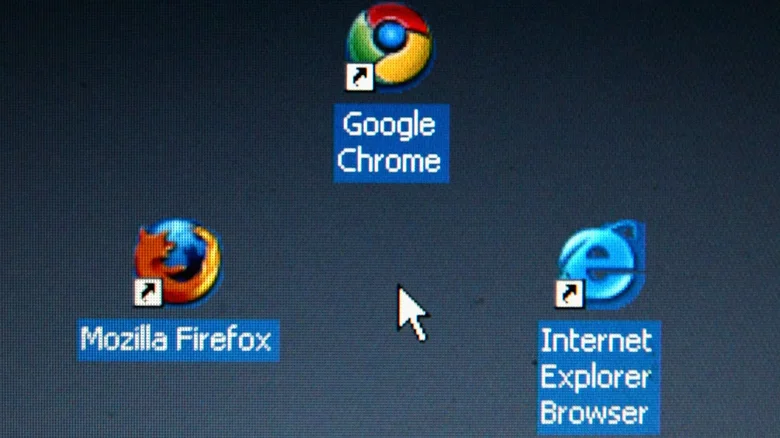
Internet Explorer’s decline did not happen overnight. Several problems gradually weakened its position.
1. The Rise of Google Chrome
Google launched Chrome in 2008, introducing a browser known for its speed, simple interface, and frequent updates. Chrome quickly attracted users who wanted a faster and more responsive browsing experience.
Unlike Internet Explorer’s traditional approach, Chrome emphasized performance, simplicity, and support for modern web technologies. As Chrome improved, many users began switching to it.
2. Strong Competition from Other Browsers
Mozilla Firefox also became a popular alternative by offering customization, useful extensions, and a focus on open web standards. Safari gained importance among Apple users, while Chrome expanded across desktop and mobile devices.
These browsers gave users more choices and encouraged competition. Internet Explorer could no longer rely on being the default browser to maintain its market position.
3. Security and Performance Problems
Internet Explorer faced criticism over security vulnerabilities, compatibility issues, and performance limitations in several versions. As online threats became more sophisticated, users and businesses increasingly expected browsers to provide reliable security updates and stronger protection.
Microsoft released improvements over the years, but Internet Explorer developed a reputation for being less modern than its competitors.
4. Slow Innovation and Compatibility Issues
Web development changed rapidly as developers began using modern JavaScript features, HTML5, CSS3, and responsive design techniques. Some older Internet Explorer versions struggled to support newer web standards consistently.
Developers sometimes needed to create additional code to make websites work properly in IE. This increased development time and encouraged businesses to prioritize browsers with better standards support.
5. The Growth of Mobile Browsing
Smartphones and tablets changed how people accessed the internet. Browsers such as Chrome and Safari became important across mobile platforms.
Internet Explorer was primarily associated with traditional desktop computing and did not establish a comparable position in the mobile browser market. This shift further reduced its relevance.
Microsoft Edge: The Beginning of a New Era

Microsoft recognized that Internet Explorer was no longer meeting the expectations of modern users. In 2015, the company introduced Microsoft Edge alongside Windows 10.
Edge was designed to provide improved performance, modern web standards support, and a cleaner browsing experience. It represented Microsoft’s attempt to compete more effectively with Chrome, Firefox, and other browsers.
In 2020, Microsoft released a new version of Edge based on Chromium, the open-source browser project that also powers Google Chrome. This change improved compatibility with modern websites and allowed Edge to benefit from the broader Chromium ecosystem.
Microsoft gradually shifted its focus toward Edge and away from Internet Explorer. The company encouraged users and organizations to migrate to its newer browser while providing compatibility options for older business applications.
The Official End of Internet Explorer
Internet Explorer’s retirement marked the end of an important chapter in computing history.
Microsoft ended support for the Internet Explorer 11 desktop application on many versions of Windows 10 on June 15, 2022. Some Windows versions and specific environments had different support arrangements, but the company’s overall direction was clear: Edge was the future.
Internet Explorer was subsequently disabled in many supported Windows environments, with users redirected to Microsoft Edge. For organizations that still depended on older websites and business applications, Edge included an Internet Explorer mode to help maintain compatibility.
Although the original browser is no longer a mainstream choice, its influence remains visible in older enterprise systems and legacy applications.
Lessons from the Fall of Internet Explorer
Internet Explorer’s decline provides several important lessons for technology companies and developers.
Innovation must continue: A product cannot remain successful simply because it was popular in the past. Regular improvements are necessary to meet changing user expectations.
Competition benefits users: Alternative browsers pushed the industry to improve speed, security, privacy, and website compatibility.
User experience matters: People prefer products that are easy to use, reliable, and responsive. A familiar name cannot compensate for a poor browsing experience.
Web standards are important: Supporting modern standards helps developers build websites that work consistently across different devices and browsers.
Adaptability is essential: Companies must recognize technological changes early and respond effectively to remain competitive.
Conclusion
Internet Explorer’s journey from a dominant web browser to a retired application demonstrates how quickly the technology industry can change. Its integration with Windows helped it become a household name, but competition, security concerns, performance limitations, and changing browsing habits gradually reduced its popularity.
Microsoft Edge now represents the company’s modern approach to web browsing, while Internet Explorer remains a significant part of internet history. Its story reminds us that long-term success depends on continuous innovation, strong security, and the ability to adapt to new technologies.
For students, developers, and technology enthusiasts, the rise and fall of Internet Explorer offers a valuable lesson: being the market leader today does not guarantee success tomorrow. Companies must keep improving their products to remain relevant in a constantly evolving digital world.
Kaashiv Infotech Offers Networking Course, Cyber Security Course, Cloud Computing Course Visit Their Website www.kaashivinfotech.com.