
![10 Best Data Structures and Algorithms Courses [2026]](https://www.wikitechy.com/wp-content/uploads/2026/10/10-Best-Data-Structures-and-Algorithms-Courses-2026-1248x702.png)
Data Structures and Algorithms are among the most important topics to learn if you want to become a software developer, prepare for coding interviews, or improve your programming skills. The right Data Structures and Algorithms course can help you understand programming logic, solve problems faster, and write more efficient code.
When I compare DSA courses, I look at more than just the course name. I consider the teaching style, programming language, practical exercises, cost, and suitability for beginners. After all, a course is useful only when you can understand the concepts and apply them to real problems.
If you are searching for the best Data Structures and Algorithms courses in 2026, this guide will help you choose a suitable option. I’ve included free resources, university courses, structured learning programs, and interview-focused training so you can find one that matches your goals and budget.
Key Highlights
- Best free university course: Princeton University – Algorithms, Part I
- Best comprehensive learning program: UC San Diego – Data Structures and Algorithms Specialization
- Best for structured practice: GeeksforGeeks DSA courses
- Best for Python learners: Boot.dev – Learn Data Structures and Algorithms in Python
- Best for computer science fundamentals: MIT OpenCourseWare – Introduction to Algorithms
- Best for JavaScript learners: freeCodeCamp – JavaScript Algorithms and Data Structures
- Best for coding interview preparation: Udemy – Master the Coding Interview
- Best for beginners: Start with a course that explains basic concepts before moving to advanced problems.
- Best learning strategy: Combine video lessons, coding exercises, and regular revision.
What Are Data Structures and Algorithms?
Before choosing a course, let’s understand what Data Structures and Algorithms (DSA) actually mean.
A data structure is a way to organize and store data so that we can use it efficiently. An algorithm is a set of steps used to solve a problem.
For example, imagine that you have a contact list containing 10,000 names. If the names are organized properly, you can find a particular contact more efficiently. The method you use to search for that contact is an algorithm.
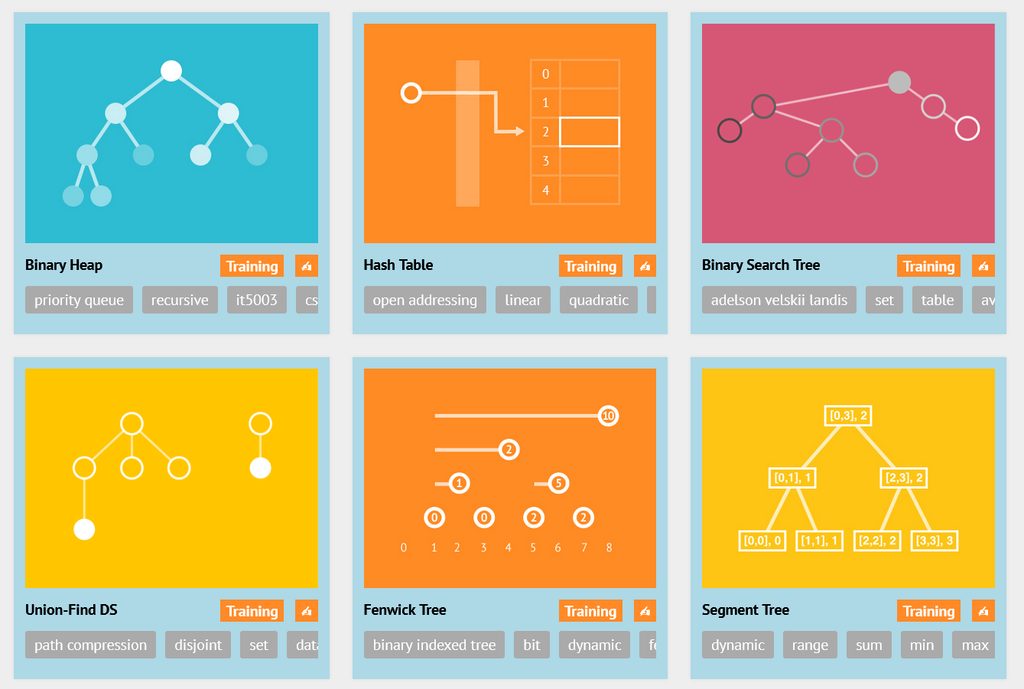
Common data structures include:
- Arrays
- Linked lists
- Stacks and queues
- Trees and graphs
- Hash tables
Common algorithms include:
- Searching and sorting
- Recursion
- Binary search
- Greedy algorithms
- Dynamic programming
Learning these concepts helps you understand how programs work behind the scenes. DSA is also widely used in technical interviews because it tests your ability to solve problems, not just write code.
10 Best Data Structures and Algorithms Courses in 2026
Here are ten courses and learning resources worth considering, depending on your current skills, preferred programming language, and career goals.
1. GeeksforGeeks – Data Structures and Algorithms
What is the Data Science Life Cycle? Stages, Frameworks & Workflow Explained
Best for: Beginners and placement preparation
GeeksforGeeks is a popular learning platform for students and developers preparing for technical interviews. Its DSA learning resources cover fundamental concepts and provide opportunities to practise programming problems.
The platform offers explanations, tutorials, practice questions, and structured courses. Depending on the specific course, you may also find quizzes, assessments, and certificates.
What you can learn:
- Arrays and strings
- Linked lists, stacks, and queues
- Trees and graphs
- Searching and sorting algorithms
- Recursion and dynamic programming
- Time and space complexity
Why I recommend it: If your goal is to prepare for campus placements or software development interviews, GeeksforGeeks provides a useful combination of concept explanations and coding practice.
Cost: Free tutorials and practice resources are available; structured courses may require payment.
2. Princeton University – Algorithms, Part I
Best for: Learners who want strong fundamentals
Princeton University’s Algorithms, Part I is an excellent choice if you want to understand the reasoning behind data structures and algorithms instead of memorizing solutions.
The course covers fundamental data types, sorting, searching, priority queues, and symbol tables. It also introduces important structures such as stacks, queues, binary search trees, and hash tables.
What you can learn:
- Fundamental data structures
- Sorting algorithms such as mergesort and quicksort
- Binary search
- Priority queues
- Binary search trees
- Algorithm performance analysis
Why I recommend it: This course helps you understand not only how an algorithm works but also why one approach may be more efficient than another.
One thing to remember: the programming assignments use Java, so basic Java knowledge will help you get started.
Cost: Course materials are available free through Princeton’s learning resources. Check the platform for the current format and certificate options.
3. UC San Diego – Data Structures and Algorithms Specialization
Best for: Learners who want a comprehensive program
If you want a more structured learning experience, the University of California, San Diego offers a Data Structures and Algorithms Specialization through Coursera.
This program goes beyond basic definitions. It introduces algorithmic techniques and gives learners programming challenges to help them apply what they learn.
What you can learn:
- Algorithmic problem-solving
- Searching and sorting
- Greedy algorithms
- Dynamic programming
- Trees and graphs
- Advanced algorithmic techniques
The specialization consists of six courses and is designed as a substantial learning program. Coursera lists an estimated duration of approximately five months at ten hours per week.
Why I recommend it: This option suits learners who prefer a planned curriculum and are ready to invest time in programming assignments.
However, beginners should first become comfortable with basic programming concepts. The program is more demanding than a short introductory course.
Cost: Enrollment options, course access, and certificate pricing depend on Coursera’s current terms.
4. MIT OpenCourseWare – Introduction to Algorithms
Best for: Learners who want academic-level understanding
MIT OpenCourseWare provides free educational materials from MIT courses. Its Introduction to Algorithms resources are useful for people who want to study computer science concepts in greater depth.
The material focuses on how algorithms work, how to analyse them, and how to determine whether a solution is efficient.
What you can learn:
- Algorithm analysis
- Sorting and searching
- Graph algorithms
- Divide-and-conquer techniques
- Dynamic programming
- Computational complexity
Hashing in Data Structure: 5 Essential Concepts You Need to Understand
Why I recommend it: If you enjoy understanding the logic behind a solution, MIT’s materials can help you develop a deeper understanding of algorithms.
However, some lessons involve mathematical reasoning and may feel challenging at first. Start with simpler topics if you are new to programming.
Cost: Free learning materials are available. Access to course materials does not automatically include a certificate.
5. Boot.dev – Learn Data Structures and Algorithms in Python
Best for: Python programmers
Boot.dev offers a structured approach to learning programming and computer science concepts. Its Data Structures and Algorithms course uses Python to teach fundamental ideas through practical coding exercises.
Python’s readable syntax can make it easier for beginners to focus on problem-solving rather than complicated language rules.
What you can learn:
- Common data structures
- Algorithm fundamentals
- Searching and sorting
- Algorithm efficiency
- Practical problem-solving
Why I recommend it: If you already know Python basics and prefer learning by writing code, this is worth considering.
The platform also uses interactive exercises, which can make regular practice more engaging.
Cost: Boot.dev offers free learning content alongside paid membership options. Check the current course page for access details.
6. freeCodeCamp – JavaScript Algorithms and Data Structures
Best for: JavaScript beginners and web developers
If you are learning JavaScript for frontend or full-stack development, freeCodeCamp is a useful place to practise programming fundamentals and algorithmic thinking.
Its JavaScript Algorithms and Data Structures curriculum covers basic programming concepts and gives learners opportunities to build projects.
What you can learn:
- Variables and functions
- Arrays and objects
- String manipulation
- Loops and recursion
- Algorithmic problem-solving
- JavaScript programming projects
Why I recommend it: You can practise JavaScript while gradually improving your problem-solving skills. This is especially useful if you do not want to switch to another programming language just to start learning algorithms.
Keep in mind that this curriculum also covers JavaScript fundamentals, so it is not identical to a university-level DSA course.
Cost: Free.
7. Udemy – Master the Coding Interview: Data Structures + Algorithms
Best for: Technical interview preparation
If your main goal is to prepare for software developer interviews, an interview-focused course may be a good choice.
Udemy offers courses under titles such as Master the Coding Interview: Data Structures + Algorithms. Course contents and instructors can vary, so review the current syllabus before enrolling.
What you can learn:
- Arrays and hash tables
- Linked lists
- Stacks and queues
- Trees and graphs
- Searching and sorting
- Common coding interview problems
Why I recommend it: A course that focuses on interview questions can help you practise explaining your approach, comparing solutions, and identifying common problem-solving patterns.
Before purchasing, check the instructor’s teaching style, recent reviews, course updates, and refund terms.
Cost: Paid; prices and discounts vary.
8. Stanford University – Algorithms: Design and Analysis
Best for: Learners interested in algorithm design
Stanford’s Algorithms: Design and Analysis course materials introduce important techniques for designing algorithms and understanding their performance.
This type of course is useful once you understand basic programming and want to move beyond straightforward coding exercises.
What you can learn:
- Divide-and-conquer algorithms
- Sorting and searching
- Graph algorithms
- Greedy algorithms
- Algorithm analysis
- Strategies for solving complex problems
Why I recommend it: Learning algorithm design helps you recognize different approaches to a problem rather than relying on one memorized solution.
Some concepts require careful reasoning, so I would recommend learning arrays, loops, functions, and recursion first.
Cost: Access and pricing depend on the current course offering and platform.
9. NPTEL – Data Structures and Algorithms
Best for: Indian students and budget-conscious learners
NPTEL is a learning initiative supported by Indian Institutes of Technology and the Indian Institute of Science. It provides online courses across engineering and computer science.
Its data structures and algorithms offerings can be particularly useful if you prefer an academic learning style.
What you can learn:
- Basic data structures
- Stacks and queues
- Trees and graphs
- Searching and sorting
- Algorithm analysis
- Programming problem-solving
Why I recommend it: NPTEL is worth exploring if you prefer university-style lessons and want to learn without immediately paying for an expensive training program.
Some courses are available free to study, while optional certification may involve registration and an examination fee. These details vary by course.
10. Coursera – Algorithmic Toolbox
Best for: Learners who want hands-on algorithm practice
Algorithmic Toolbox is offered by the University of California, San Diego through Coursera. It focuses on techniques for solving computational problems.
Rather than simply watching lectures, learners work through algorithmic challenges and apply techniques to practical problems.
What you can learn:
- Algorithmic problem-solving
- Sorting and searching
- Divide-and-conquer
- Greedy algorithms
- Dynamic programming
- Programming assignments
Why I recommend it: This course is useful when you already know a programming language and want to improve your ability to solve problems independently.
It can also help you prepare for more advanced DSA topics after you understand the fundamentals.
Cost: Coursera access and certificate options vary. Check the current enrollment page before starting.
Comparison of the Best Data Structures and Algorithms Courses
Here is a quick comparison to help you narrow down your choices.
| Course | Best for | Cost category |
|---|---|---|
| GeeksforGeeks DSA | Placement preparation | Free and paid |
| Princeton Algorithms, Part I | Strong fundamentals | Free learning resources |
| UC San Diego Specialization | Comprehensive learning | Free and paid options |
| MIT OpenCourseWare | Academic depth | Free |
| Boot.dev | Python practice | Free and paid |
| freeCodeCamp | JavaScript learners | Free |
| Udemy DSA courses | Interview preparation | Paid |
| Stanford Algorithms | Algorithm design | Depends on offering |
| NPTEL | University-style learning | Free learning; optional paid certification |
| Algorithmic Toolbox | Hands-on practice | Free and paid options |
Pricing, course availability, certificates, and enrollment conditions may change. Verify the current details on each provider’s official website.
How to Choose the Right Data Structures and Algorithms Course
Not every course is suitable for every learner. Before enrolling, I recommend checking these five factors.
1. Check Your Programming Knowledge
If you are completely new to programming, start with variables, loops, functions, arrays, and basic problem-solving.
You do not need to master everything before learning DSA, but understanding these concepts will make the journey easier.
2. Choose a Programming Language
Most DSA concepts can be implemented in different languages. Choose one that aligns with your current learning or career goals.
For example:
- Python: Useful for beginners who prefer readable syntax.
- Java: A good option for object-oriented programming and many coding interviews.
- C++: Popular for competitive programming.
- JavaScript: Suitable for web developers who want to strengthen their algorithmic skills.
The important thing is to understand the logic rather than memorizing code in multiple languages.
3. Look for Practical Exercises
A course that only explains concepts may not provide enough practice.
Choose one that includes coding assignments, quizzes, or programming problems. After watching a lesson, try implementing the concept yourself.
4. Consider Your Budget
You do not need to spend a lot of money to begin learning Data Structures and Algorithms.
Free resources from Princeton, MIT OpenCourseWare, and freeCodeCamp can help you build a foundation. Paid courses may be worthwhile if you need a structured syllabus, instructor support, or additional assessments.
5. Match the Course to Your Goal
- For placements, focus on DSA fundamentals and interview questions.
- For software development, learn how to choose efficient data structures and algorithms.
- For competitive programming, practise more advanced problem-solving techniques.
- For computer science studies, consider university courses with deeper algorithm analysis.
How to Learn Data Structures and Algorithms as a Beginner
If I were planning a beginner’s learning path, I would break it into manageable stages instead of trying to learn every topic at once.
Stage 1: Learn the basics
Start with arrays, strings, loops, functions, and basic searching. Practise small problems such as finding the largest number in an array.
Stage 2: Understand common data structures
Move on to linked lists, stacks, queues, hash tables, trees, and graphs. Learn what each structure does and when it is useful.
Stage 3: Study algorithms
Practise linear search, binary search, sorting, recursion, and divide-and-conquer techniques. Later, explore greedy algorithms and dynamic programming.
Stage 4: Learn time and space complexity
Understand Big O notation. It helps you compare how an algorithm’s running time or memory usage grows as the input becomes larger.
Stage 5: Solve coding problems regularly
Start with easy questions. Once you can solve them confidently, move to medium-level problems.
A realistic routine is to spend 30–60 minutes learning and practising each day. Consistency matters more than trying to complete an entire course in a weekend.
Career Opportunities After Learning Data Structures and Algorithms
Learning DSA can strengthen your programming foundation and help you prepare for several technology roles.
Some examples include:
- Software Developer: Uses programming and problem-solving to build applications.
- Software Engineer: Designs, develops, and maintains software systems.
- Backend Developer: Builds application logic, APIs, and server-side services.
- Full-Stack Developer: Works on both frontend and backend development.
- Competitive Programmer: Solves algorithmic challenges under time constraints.
DSA knowledge is particularly useful for technical interviews. However, completing a course alone does not guarantee a job. You should also build projects, understand your chosen programming language, practise interview questions, and develop communication skills.
Frequently Asked Questions
1. Which is the best Data Structures and Algorithms course in 2026?
The best course depends on your goal. Princeton Algorithms, Part I is a strong free university option. UC San Diego offers a comprehensive specialization, while GeeksforGeeks provides resources suited to coding practice and placement preparation.
2. Can I learn DSA for free?
Yes. You can begin with free resources from Princeton, MIT OpenCourseWare, freeCodeCamp, and NPTEL. You can also use free tutorials and coding exercises to practise what you learn.
3. Is DSA difficult for beginners?
Some topics may seem difficult initially, especially recursion, trees, graphs, and dynamic programming. Start with simple problems and gradually increase the difficulty. Regular practice will help you understand the concepts.
4. How long does it take to learn Data Structures and Algorithms?
You may understand the fundamentals within a few weeks of consistent study. Developing strong problem-solving skills can take several months or longer, depending on your programming experience and practice schedule.
5. Is DSA necessary for software developer jobs?
DSA is important for many software engineering interviews and helps you write efficient programs. However, the amount of DSA required varies by role and employer. Practical development skills, projects, and knowledge of relevant technologies are also important.
6. Should I learn DSA in Python, Java, or C++?
Choose the language you already know or the one that supports your career goal. Python is readable, Java is useful for object-oriented development, and C++ is popular in competitive programming. You can learn the same core DSA concepts in all three.
Final Thoughts
Data Structures and Algorithms become much easier to understand when you combine clear explanations with hands-on practice. You do not need to enrol in every course on this list. Choose one that fits your current skill level, follow its lessons consistently, and solve problems as you progress.
If you are a beginner, start with free resources and focus on the fundamentals. If you are preparing for interviews, add regular coding practice and revision to your routine.
The goal is not to finish a course as quickly as possible. It is to understand how to solve problems, explain your approach, and write code that works efficiently. Take it one topic at a time, and keep practising. 🚀
Want to learn more ??, Kaashiv Infotech Offers Data Analytics Course, Data Science Course, Cyber Security Course & More Visit Their Website www.kaashivinfotech.com.