

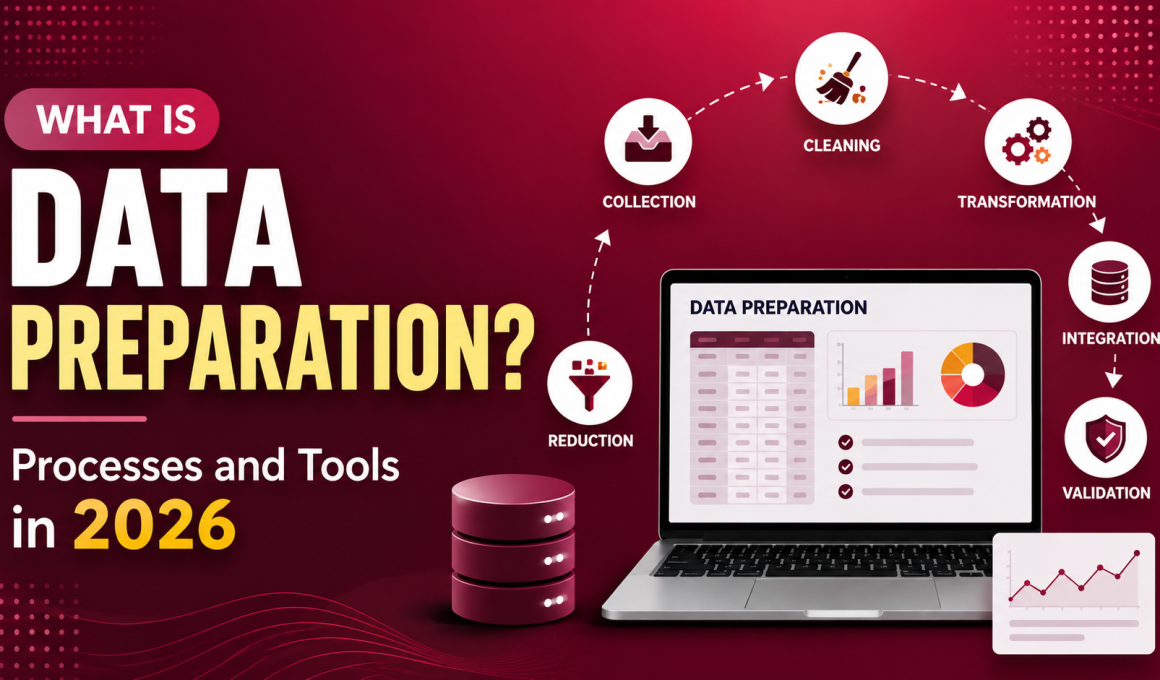
In 2026, data sits at the center of every digital transformation strategy. Businesses rely on analytics, artificial intelligence, and automation to make faster and smarter decisions. However, raw data is rarely usable in its original form. It is often incomplete, inconsistent, and scattered across multiple systems. This is where data preparation plays a crucial role.
Data preparation is the process that transforms raw, messy data into a structured and reliable format ready for analysis. Without it, even the most advanced tools and algorithms can produce inaccurate or misleading results. In fact, most organizations still spend the majority of their time preparing data rather than analyzing it, which shows how essential this stage has become.
What is Data Preparation?
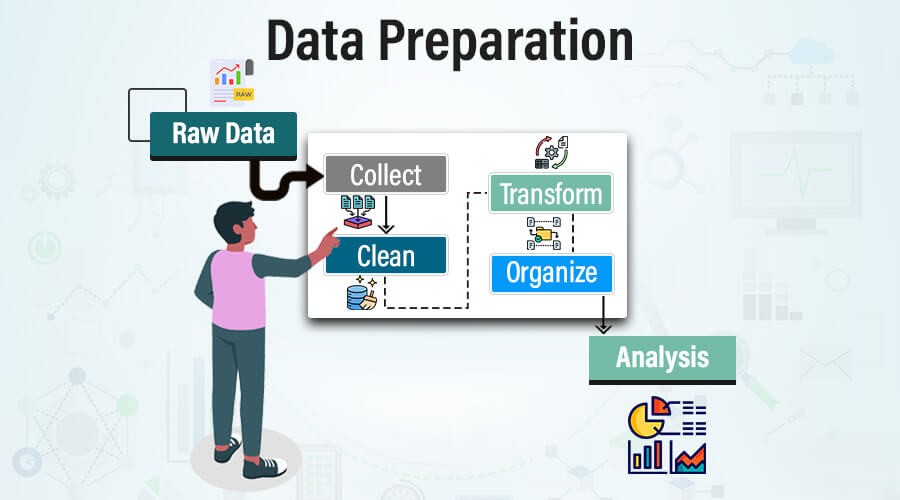
Data preparation refers to the set of processes used to collect, clean, transform, and organize data so it can be used effectively. It acts as the bridge between raw data sources and meaningful insights.
You can think of it as refining raw material into a usable product. Just as crude oil must be processed before it becomes fuel, raw data must be prepared before it can generate value.
Why Data Preparation Matters More Than Ever
The importance of data preparation has grown significantly in recent years due to the explosion of data and the rise of AI-driven systems. In 2026, businesses are dealing with vast amounts of structured and unstructured data coming from cloud platforms, mobile apps, IoT devices, and user interactions.
When data is poorly prepared, it leads to inaccurate analytics, flawed machine learning models, and poor business decisions. On the other hand, well-prepared data improves accuracy, speeds up processing, and ensures compliance with data regulations.
Another major reason for its importance is real-time analytics. Modern systems require data to be processed instantly, which is only possible if it is clean and structured from the start.
The Core Processes of Data Preparation
Data preparation is not a single step but a continuous workflow made up of multiple stages. Each stage contributes to improving the quality and usability of data.
Data Collection
The process begins with gathering data from various sources. These sources may include databases, APIs, cloud storage, IoT devices, and even social media platforms. In 2026, data collection often involves handling multiple formats such as text, images, videos, and streaming data.
Because data comes from different environments, it usually lacks consistency. This makes the next stage—cleaning—extremely important.
Data Cleaning
Data cleaning focuses on identifying and fixing issues within the dataset. These issues can include missing values, duplicate entries, incorrect formats, and outliers. Cleaning ensures that the dataset is accurate and reliable.
In earlier years, this process required a lot of manual effort. But in 2026, AI-powered tools can automatically detect anomalies, suggest corrections, and even fix certain errors without human intervention. This has significantly reduced the time required for cleaning while improving accuracy.
Data Transformation
Once the data is clean, it needs to be transformed into a suitable format. Transformation involves reshaping data so that it can be used for analysis or machine learning.
This may include converting data types, standardizing values, or combining multiple fields into a single meaningful feature. For example, text categories might be converted into numerical values for use in predictive models. Transformation ensures that the data structure aligns with the requirements of analytical tools.
Data Integration
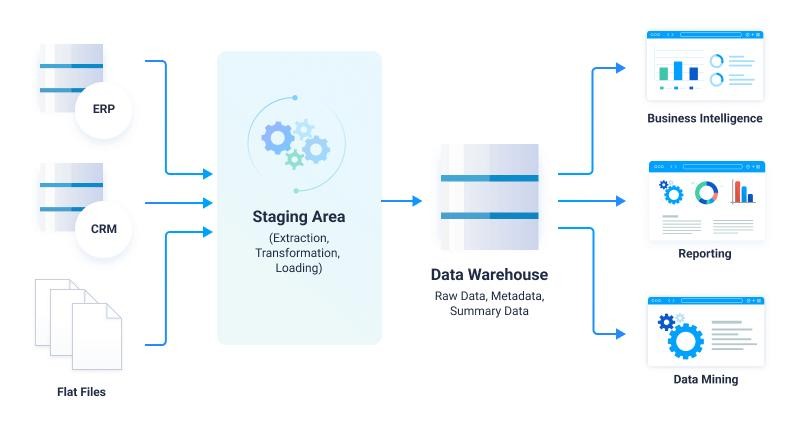
Organizations rarely rely on a single data source. Data is often spread across different systems such as CRM platforms, financial tools, and marketing applications. Data integration brings all this information together into a unified dataset.
Modern integration methods use cloud-based pipelines, often referred to as ETL or ELT processes. These pipelines ensure that data flows smoothly from multiple sources into a centralized system, making it easier to analyze.
Data Reduction
As datasets grow larger, processing them becomes more complex and time-consuming. Data reduction helps simplify datasets while preserving their essential information.
This step is particularly important for machine learning, where reducing unnecessary features can improve both speed and model performance. By focusing only on relevant data, organizations can achieve more efficient analysis.
Data Validation
Before data is used, it must be validated to ensure it meets certain standards. Validation checks confirm that the data is consistent, accurate, and aligned with business rules.
In 2026, validation is often automated and continuous. Systems monitor incoming data in real time, ensuring that any issues are detected early and corrected quickly.
Data Enrichment
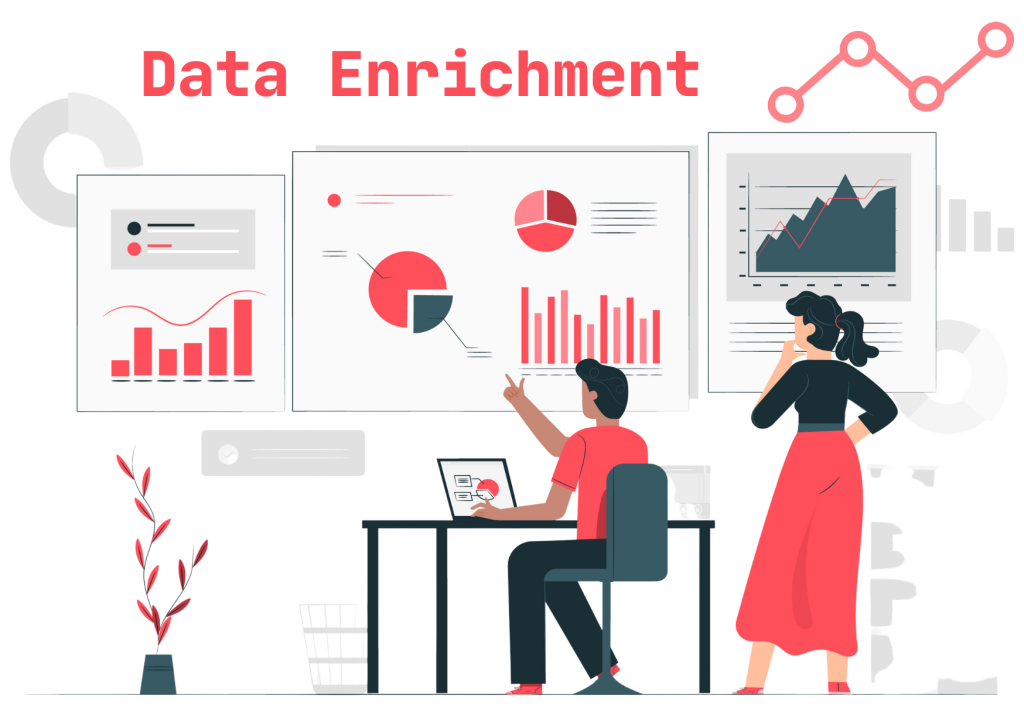
A more advanced step in modern data preparation is enrichment. This involves enhancing existing data by adding additional context or external information.
For instance, customer data can be enriched with geographic or behavioral insights. This makes the data more valuable and allows for deeper analysis.
Modern Techniques in Data Preparation
With the advancement of artificial intelligence, data preparation has become more intelligent and less manual. AI-driven systems can now understand patterns in data and recommend actions to improve quality.
Techniques such as data profiling help analysts understand the structure and condition of their datasets before making changes. Augmented data preparation tools act like assistants, guiding users through each step and suggesting improvements.
Another major development is real-time data preparation. Instead of preparing data in batches, systems now process data instantly as it is generated. This is especially useful in applications like fraud detection, recommendation systems, and live analytics.
Top Data Preparation Tools in 2026
The evolution of tools has made data preparation faster, more accessible, and less dependent on coding. Some tools focus on visual workflows, while others are designed for large-scale processing.
Tableau Prep
Tableau Prep is known for its visual approach to data preparation. It allows users to create workflows that clearly show how data is cleaned and transformed. This makes it especially useful for analysts who prefer working with intuitive interfaces rather than code.
Microsoft Power Query
Power Query is widely used because it integrates seamlessly with Excel and Power BI. It enables users to perform complex transformations with minimal effort, making it a popular choice in business environments.
Apache Spark
Apache Spark is designed for handling large-scale data. It supports distributed processing, which allows organizations to prepare massive datasets efficiently. It is commonly used in big data and real-time analytics applications.
Alteryx
Alteryx provides a powerful yet user-friendly environment for data preparation. Its drag-and-drop interface allows users to build complex workflows without extensive programming knowledge.
Trifacta
Trifacta uses machine learning to recommend data transformations. It learns from user behavior and continuously improves its suggestions, making the preparation process faster and smarter.
Challenges in Data Preparation
Even with modern tools, data preparation is not without its challenges. One of the biggest issues is the sheer volume of data being generated every second. Managing this data efficiently requires scalable systems.
Another challenge is inconsistency. Data from different sources often follows different formats, making integration difficult. Additionally, ensuring data privacy and compliance has become more complex with stricter regulations.
Time is also a major factor. Although automation has reduced manual work, preparing data still requires careful planning and validation to avoid errors.
The Future of Data Preparation
The future of data preparation is centered around automation and intelligence. AI will continue to play a larger role, enabling systems to prepare data with minimal human intervention.
We can expect fully automated pipelines that clean, transform, and validate data in real time. No-code and low-code platforms will make data preparation accessible to non-technical users, while integration with machine learning workflows will become seamless.
As organizations continue to rely on data for competitive advantage, the importance of efficient and accurate data preparation will only increase.
Conclusion
Data preparation is the foundation of modern data analytics. It ensures that data is accurate, consistent, and ready for meaningful use. In 2026, with the rise of AI and real-time systems, this process has become more advanced and essential than ever.
By understanding the stages of data preparation and using the right tools, organizations can unlock the full potential of their data and make smarter, faster decisions.
Want to learn more ??, Kaashiv Infotech Offers Data Analytics Course, Data Science Course, Cyber Security Course & More Visit Their Website www.kaashivinfotech.com.