
Docker has become an essential tool in modern software development, enabling developers to package applications with all their dependencies into lightweight, portable containers. This ensures consistency across development, testing, and production environments. As companies increasingly adopt cloud-native architectures, Docker skills are in high demand.
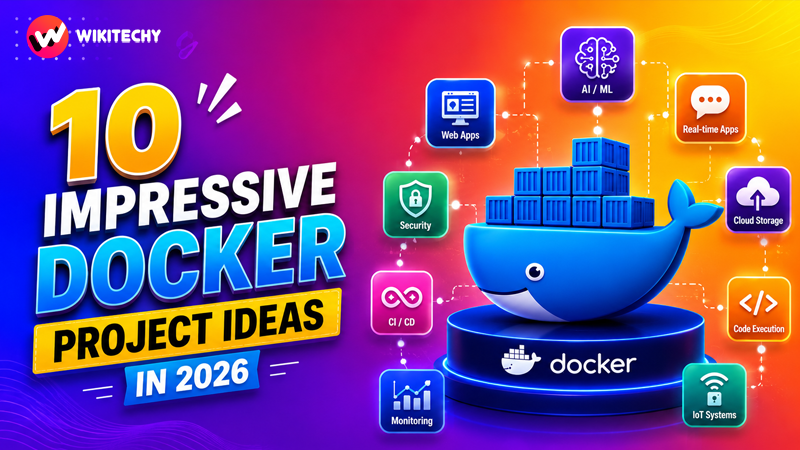
If you want to stand out in 2026, working on advanced and unique Docker projects is one of the best ways to build a powerful portfolio. Below are 10 impressive Docker project ideas, each explained in detail with practical insights and real-world relevance.
1. AI-Powered Resume Screening System (Dockerized)

Build an intelligent resume screening system that automatically filters and ranks candidates based on job descriptions. This system can use Natural Language Processing (NLP) to analyze resumes and match them with required skills.
Using Docker, you can separate the application into multiple containers such as the ML model service, backend API, and frontend dashboard. This makes the system scalable and easier to deploy.
This project demonstrates real-world HR automation, microservices architecture, and AI deployment. You can enhance it by adding features like keyword extraction, candidate scoring, and recruiter dashboards.
2. Multi-Container Blogging Platform
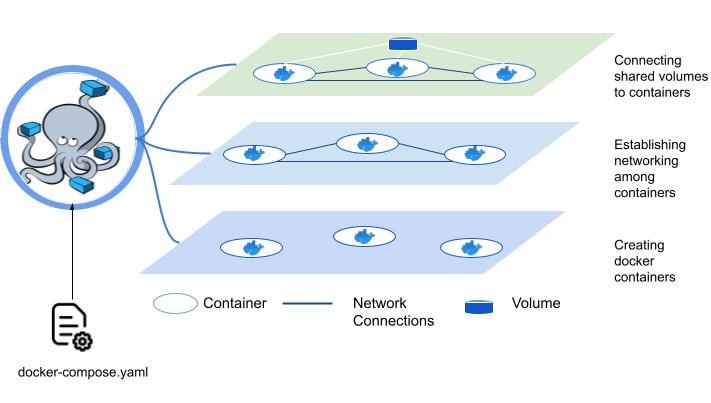
Create a full-stack blogging platform using Docker Compose, where each service runs in its own container. For example, React for frontend, Node.js for backend, and MongoDB for database.
This project helps you understand container orchestration at a basic level, including service communication and networking. You’ll also learn how to manage environment variables and persistent storage.
You can expand this project by adding authentication, comments, likes, and admin dashboards. It’s a great way to learn how modern web apps are structured using containers.
3. Real-Time Chat Application with Docker Scaling

Develop a real-time chat application using WebSockets that allows users to communicate instantly. Docker can be used to run multiple instances of the chat server.
You can introduce a load balancer container (like Nginx) to distribute traffic across instances, simulating real-world scalability. This helps you understand horizontal scaling and fault tolerance.
Adding features like typing indicators, online status, and message history will make the project more complete and production-ready.
4. Dockerized Cybersecurity Lab Environment
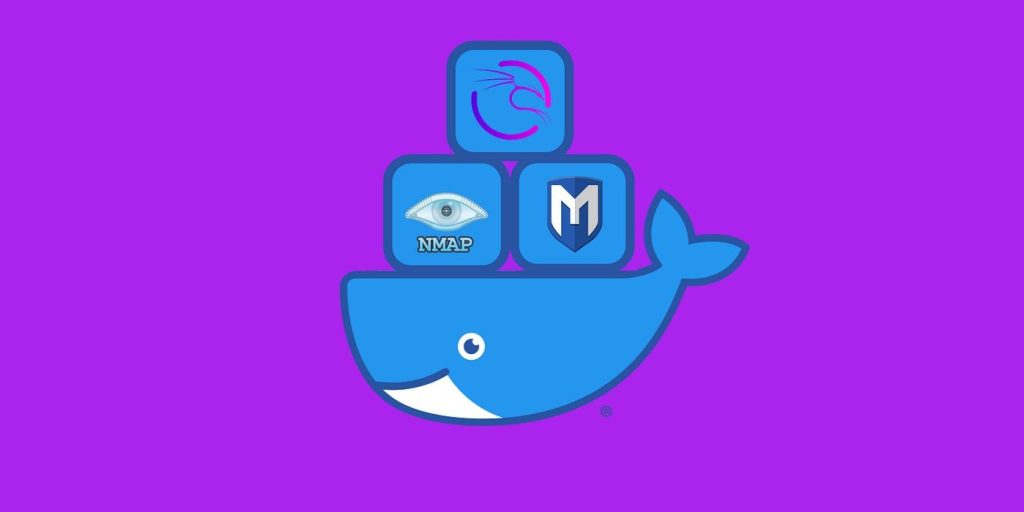
Create a safe and isolated cybersecurity lab using Docker containers. You can include vulnerable applications, penetration testing tools, and monitoring systems.
This setup allows you to practice ethical hacking techniques without risking real systems. Each container can represent a different service or vulnerability.
You can include tools like DVWA (Damn Vulnerable Web App) and integrate logging systems to track attacks. This project is highly valuable for cybersecurity learners.
5. Automated CI/CD Pipeline with Docker
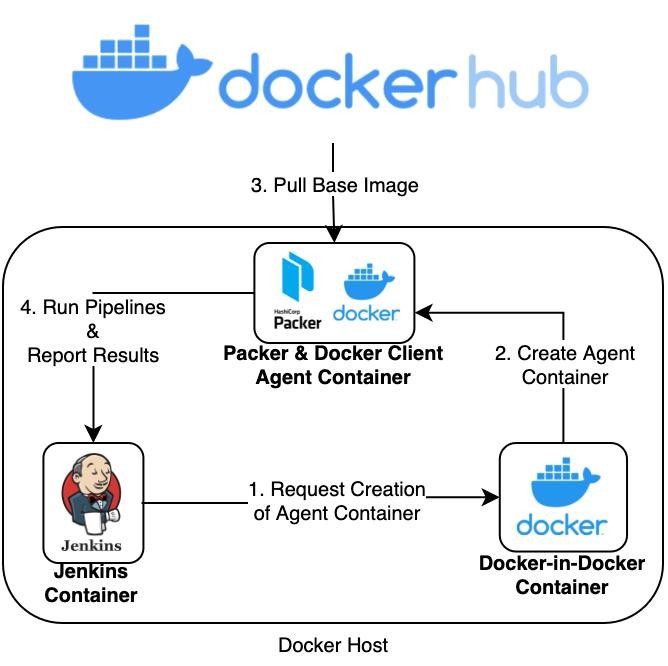
Build a complete CI/CD pipeline that automatically builds, tests, and deploys applications using Docker. Every code push should trigger the pipeline.
You can use tools like Jenkins or GitHub Actions inside containers to automate workflows. Docker ensures consistency across build environments.
This project demonstrates strong DevOps skills and is highly relevant for modern development teams. You can extend it by adding monitoring and rollback mechanisms.
6. IoT Data Processing System
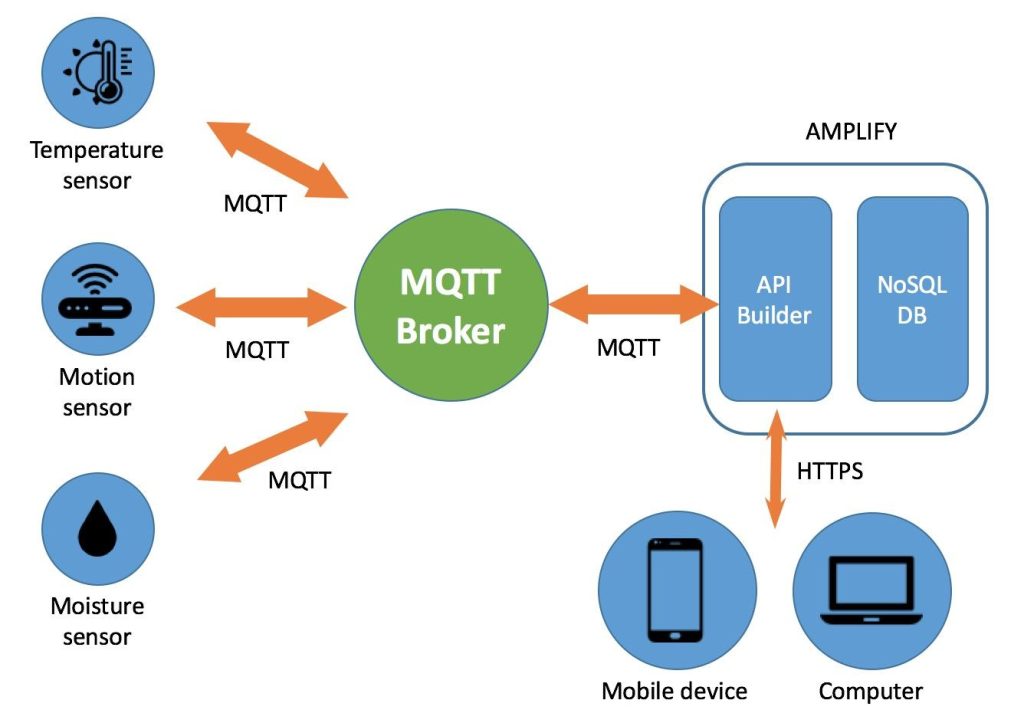
Design a system that collects and processes data from IoT devices. Use Docker to containerize services like data ingestion, processing, and visualization.
You can simulate sensors sending data to an MQTT broker and process it using Python or Node.js services. The processed data can be displayed on a dashboard.
This project showcases your ability to handle real-time data streams and distributed systems, which are essential in industries like smart homes and healthcare.
7. Dockerized Machine Learning Model Deployment Platform

Build a platform that allows users to upload and deploy machine learning models as APIs. Each model can run inside its own Docker container.
This ensures isolation, scalability, and easy deployment of models. You can use Flask or FastAPI to serve predictions.
Adding features like version control, performance monitoring, and scaling will make this project industry-ready and highly impressive.
8. Personal Cloud Storage System (Mini Dropbox)

Create a personal cloud storage system where users can upload, download, and manage files. Docker can manage backend services, authentication, and storage.
You can implement user authentication, file encryption, and sharing options. This project helps you understand storage systems and security practices.
It’s a great way to learn how real-world platforms like Dropbox or Google Drive function internally.
9. Log Monitoring and Visualization Dashboard
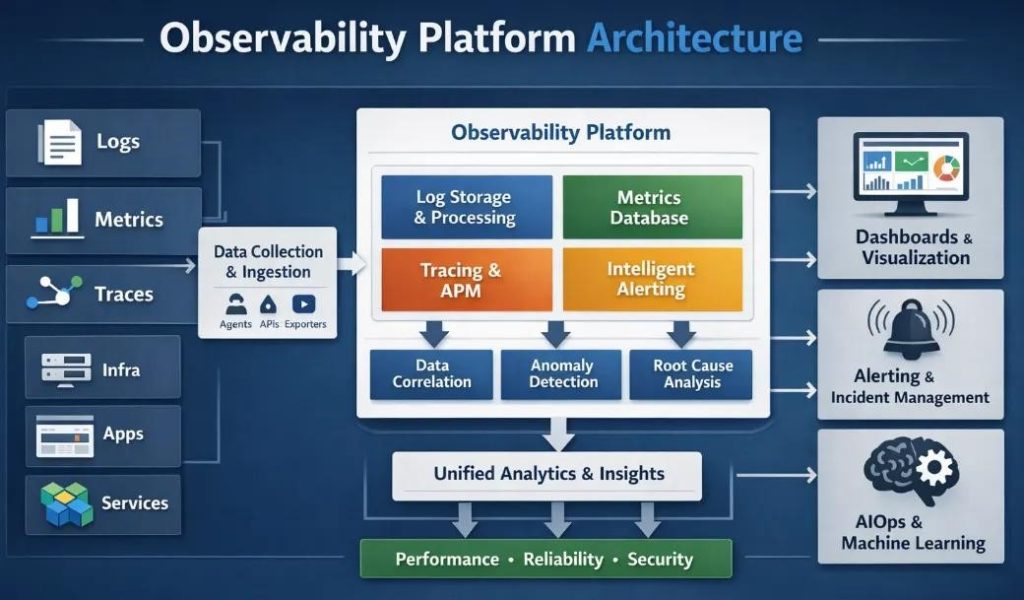
Develop a centralized logging system using Docker and tools like ELK Stack (Elasticsearch, Logstash, Kibana). Collect logs from multiple containers and visualize them.
This project is useful for debugging, monitoring, and performance analysis. It reflects real-world DevOps and SRE practices.
You can enhance it with alert systems and anomaly detection for advanced monitoring capabilities.
10. Multi-Language Code Execution Platform

Build a platform where users can write and execute code in different programming languages. Each execution runs inside a secure Docker container.
This ensures sandboxing and prevents malicious code from affecting the system. It is similar to platforms like online compilers and coding judges.
You can support multiple languages, add execution time limits, and display outputs in real-time. This is an advanced project that highlights security and system design skills.
Final Thoughts
Docker is more than just a containerization tool—it’s a gateway into DevOps, cloud computing, and scalable system design. The projects listed above are designed to go beyond basic learning and help you build real-world, portfolio-ready applications.
By working on these ideas, you’ll gain hands-on experience in microservices, automation, scalability, and security. Whether you’re aiming for a DevOps role, software engineering position, or cloud-based career, these Docker projects will give you a strong competitive edge in 2026.
The key is consistency. Build, break, fix, and improvAnd if you want to level up? Enroll in a hands-on DevOps course in Chennai that includes software development projects. It’s the best of both worlds.