

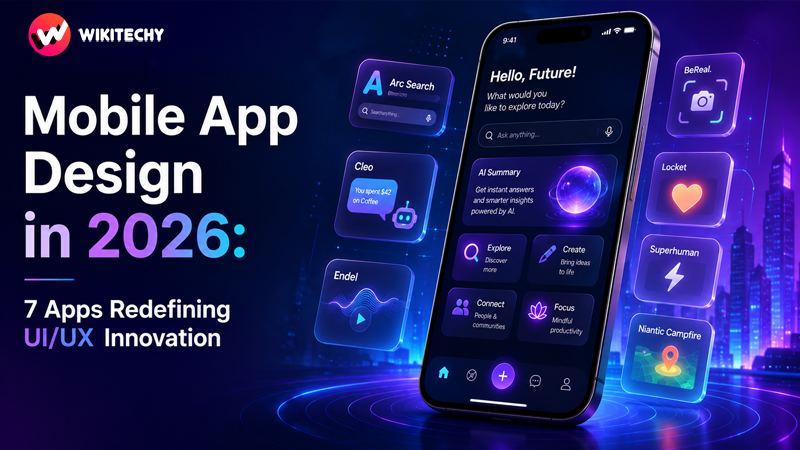
Mobile App Design – The world of mobile applications in 2026 is no longer defined by functionality alone—it is driven by experience, intelligence, and emotional connection. Users today expect apps to be fast, intuitive, and deeply engaging. Because of this shift, UI/UX design has become one of the most critical factors in determining an app’s success.
Modern mobile apps are moving beyond traditional layouts and navigation patterns. Instead, they embrace AI-powered interfaces, gesture-based interactions, minimal design systems, and immersive user journeys. The ultimate goal is clear: reduce friction and create seamless interactions between humans and technology.
In this article, we explore seven mobile apps that stand out in 2026 for their innovative UI/UX design and forward-thinking user experiences.
7 Mobile App Design That Redefining UI/UX Innovation
1. Arc Search – Minimal AI-Powered Browsing
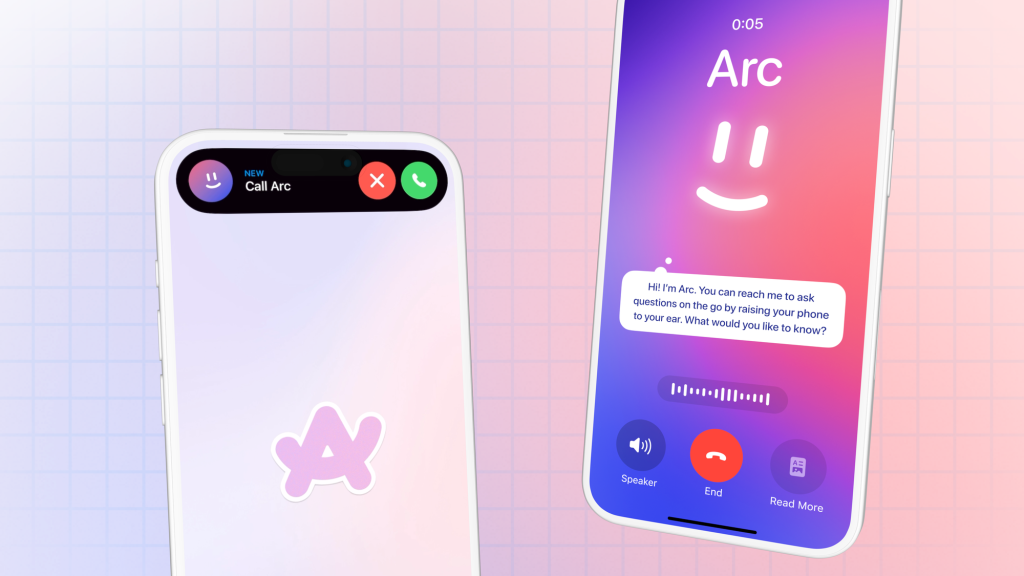
Arc Search is transforming the way users interact with the web by removing clutter and focusing on simplicity powered by AI.
Unlike traditional browsers filled with tabs and menus, Arc Search introduces a clean, distraction-free interface. Its standout feature, “Browse for Me,” uses AI to summarize search results into a single, easy-to-read page—saving users time and effort.
Combined with smooth gesture-based navigation, the app delivers a browsing experience that feels both natural and futuristic. It perfectly demonstrates how AI and minimalism can coexist to create effortless UX.
2. BeReal – Authentic Social Experience
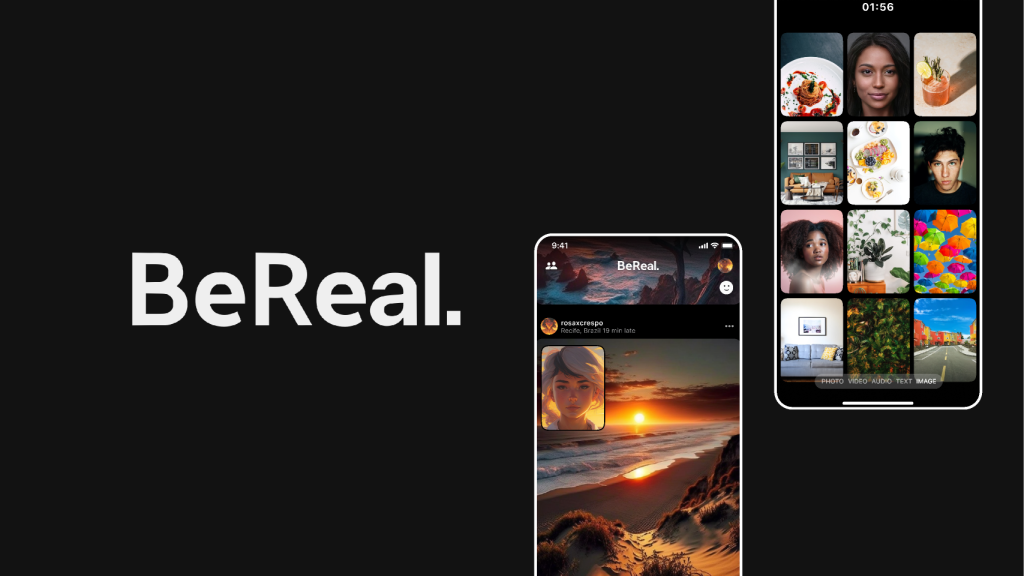
BeReal breaks away from the polished, curated nature of traditional social media platforms by focusing on authenticity.
The app prompts users at a random time each day to capture a photo using both front and back cameras simultaneously. This unique interaction encourages real, unfiltered moments.
Its intentionally simple interface removes distractions like filters and edits, proving that less design can create deeper engagement and more meaningful connections.
3. Cleo – Conversational Finance Interface
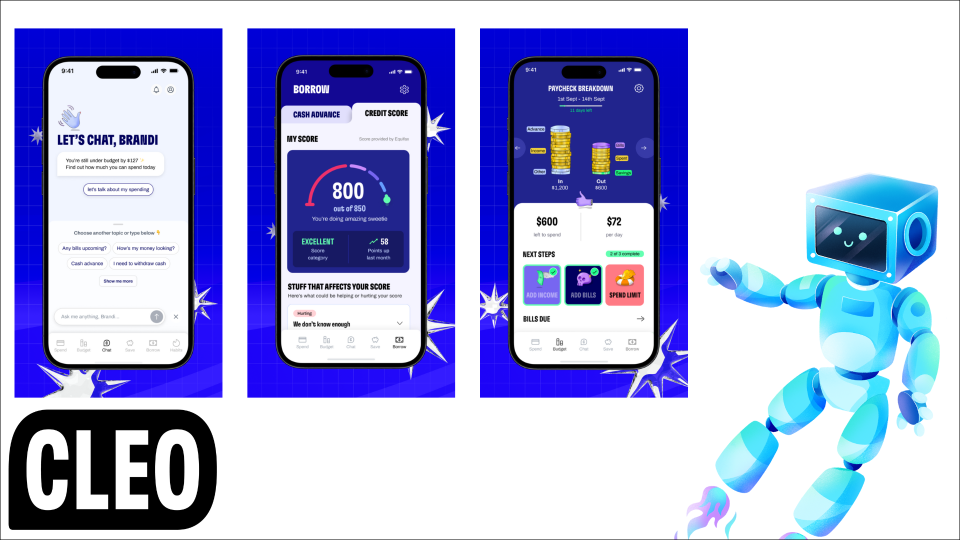
Cleo reimagines financial management through a chat-based interface, replacing complex dashboards with simple conversations.
Users interact with the app as if they are chatting with a friend. It provides spending insights, budgeting advice, and financial updates in a friendly—and often humorous—tone.
This approach makes finance less intimidating and highlights a key trend in modern UX: personality-driven, conversational design.
4. Locket Widget – Social Interaction Without Opening an App

Locket Widget introduces a fresh approach to social networking by moving the experience directly to the home screen.
Instead of opening an app and scrolling through feeds, users receive real-time photos from close friends via a widget. This eliminates unnecessary steps and creates a more personal connection.
Its simplicity is its biggest strength, offering a frictionless and intimate user experience that feels both modern and refreshing.
5. Superhuman – Speed-Focused Email Experience
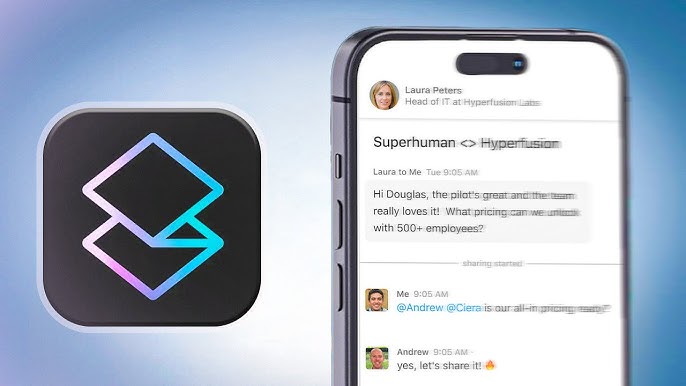
Superhuman redefines email with a strong focus on speed, efficiency, and minimalism.
Designed for productivity-focused users, the app emphasizes keyboard shortcuts and fast interactions. Smooth animations ensure there is no delay, allowing users to process emails quickly.
By reducing clutter and prioritizing performance, Superhuman showcases how great UX can dramatically boost productivity.
6. Endel – Adaptive, Audio-First UX
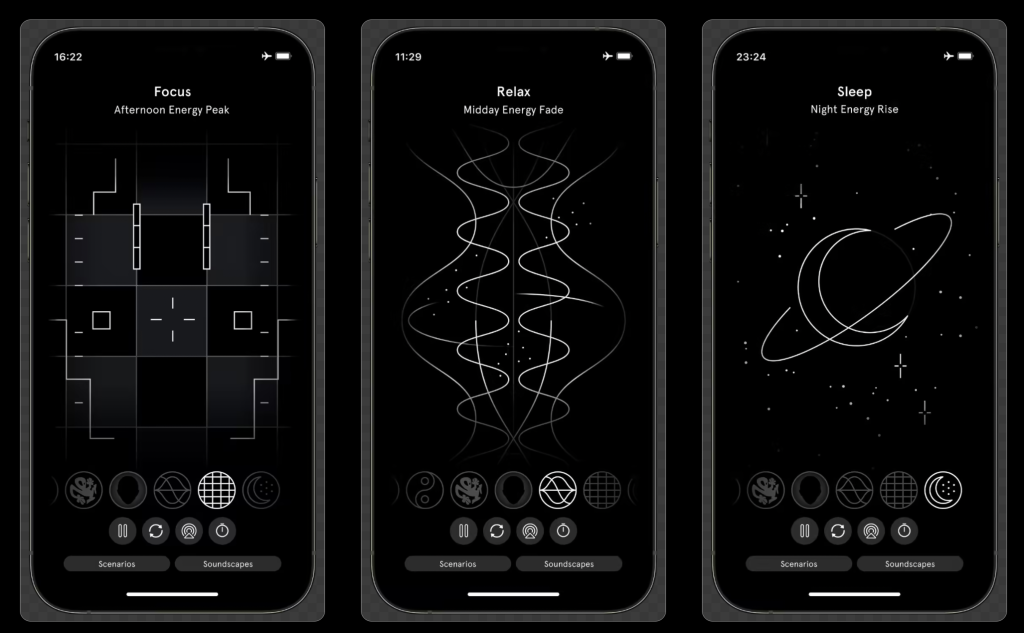
Endel takes a unique approach by focusing on sound rather than visuals.
The app generates personalized soundscapes based on factors like time, weather, and user activity. Its interface remains minimal, with subtle animations that support the audio experience without distraction.
Endel represents the future of UX—adaptive, ambient, and almost invisible, yet highly effective.
7. Niantic Campfire – Real-World Social Mapping

Niantic Campfire blends digital interaction with the physical world through a map-based interface.
Users can explore nearby communities, events, and activities based on their real-world location. The interactive map makes navigation intuitive while enabling real-time engagement.
This app demonstrates how modern UI/UX can extend beyond screens, creating a hybrid experience that connects digital and physical environments.
Key UI/UX Trends Shaping 2026
The success of these apps reflects broader design trends that define the future of mobile experiences:
- AI Integration – Interfaces that learn and adapt to user behavior
- Minimalism – Clean designs that reduce cognitive load
- New Interaction Models – Chat, widgets, gestures, and maps
- Speed & Efficiency – Faster interactions improve satisfaction
- Context Awareness – Apps respond to real-time data like location and activity
These trends highlight a clear shift from static interfaces to dynamic, user-centered experiences.
Conclusion
Mobile apps in 2026 are setting new benchmarks in UI/UX design by combining simplicity with intelligence and innovation.
Each app discussed here offers a unique perspective—whether it’s AI-driven browsing, conversational interfaces, or widget-based interactions. What truly sets them apart is their ability to solve real problems while delivering delightful experiences.
As technology continues to evolve, the future of UI/UX will be shaped by personalization, AI, and immersive design. The most successful apps will not just look good—they will understand, adapt, and connect with users on a deeper level.
Want to Learn UI/UX + AI? Start Here
If you’re interested in mastering UI/UX design along with AI integration, consider exploring courses from Kaashiv Infotech. Their programs focus on hands-on training, real-world projects, and industry-relevant skills to help you build future-ready applications.
Want to learn more, Kaashiv Infotech Offers, UI UX Course, Front End Development Course, Full Stack Development Course & More, Visit Their Website www.kaashivinfotech.com.