


Roles & Responsibilities of Database Administrators – In today’s digital ecosystem, data is the backbone of every organization. Whether it’s customer records, financial transactions, or analytics data, everything depends on reliable database systems. Managing this critical infrastructure requires expertise, precision, and constant monitoring—this is where Database Administrators (DBAs) play a key role.
A DBA is not just responsible for maintaining databases but also ensures that data remains secure, consistent, highly available, and optimized for performance. This detailed guide explains the complete scope of a DBA’s roles and responsibilities in a more descriptive and practical way.
What is a Database Administrator?
A Database Administrator (DBA) is an IT professional responsible for managing database systems throughout their lifecycle. From installation to performance tuning and security, DBAs ensure that databases support business operations without interruptions.
They work with systems like MySQL, Oracle, SQL Server, PostgreSQL, and modern cloud platforms. Their work directly impacts how efficiently applications run and how safely data is stored and accessed.
Why DBAs Are Crucial in Modern Organizations
Every organization today depends on data for decision-making. Poorly managed databases can lead to slow applications, data inconsistencies, and even security breaches. A DBA ensures that data is always available when needed and protected from unauthorized access.
Their role becomes even more critical in industries like banking, healthcare, and e-commerce, where even a small downtime or data leak can have serious consequences. DBAs act as both protectors and optimizers of data systems, ensuring reliability at all times.
Core Roles & Responsibilities of a DBA (Explained in Detail)
1. Database Installation and Environment Setup

The responsibility of a DBA begins at the very foundation—setting up the database environment. This involves installing database software, configuring system parameters, and preparing servers for use. The DBA ensures that the database is properly aligned with the organization’s requirements and infrastructure.
They carefully configure memory usage, storage allocation, and connectivity so that the system performs efficiently from the start. A well-set environment reduces future issues and ensures scalability as data grows.
2. Database Design and Data Structuring

A crucial part of a DBA’s role is designing how data is structured. This is not just about creating tables, but about building a logical system that supports fast access and minimal redundancy.
DBAs work closely with developers to create schemas, define relationships, and apply normalization techniques. A well-designed database improves performance, simplifies maintenance, and ensures long-term flexibility.
3. Performance Monitoring and Optimization
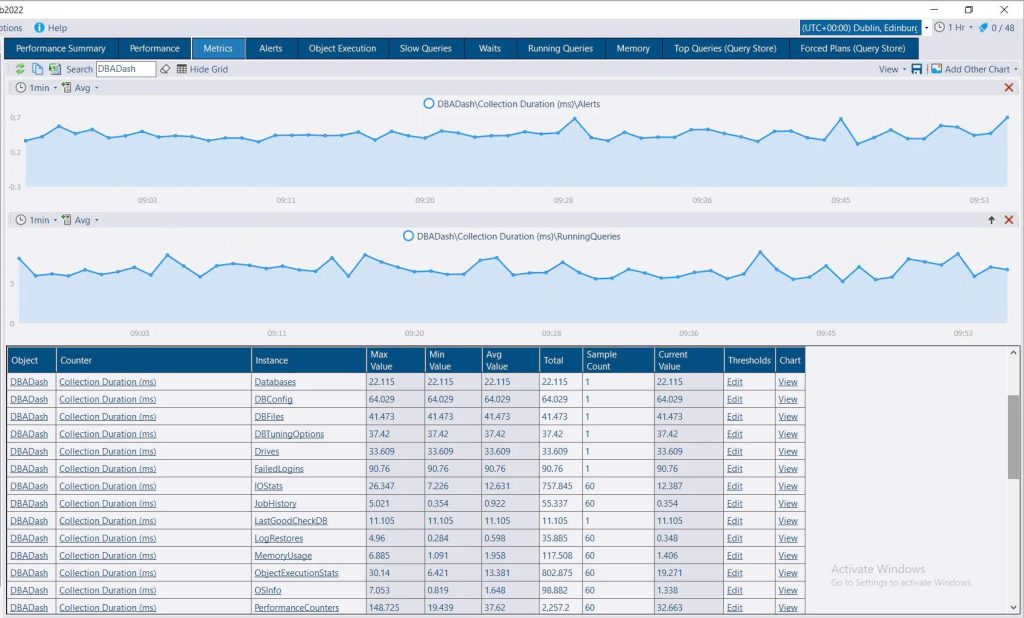
Over time, as data increases, performance issues can arise. DBAs continuously monitor the database to identify slow queries, bottlenecks, or inefficient resource usage.
They analyze execution plans, optimize queries, and adjust indexing strategies to ensure smooth operation. Performance tuning is an ongoing process that directly impacts user experience and system efficiency.
4. Database Security and Data Protection

Security is one of the most critical responsibilities of a DBA. Databases often contain sensitive information, making them a prime target for cyber threats.
DBAs implement strict access controls, ensuring that only authorized users can access specific data. They also apply encryption techniques and monitor systems for suspicious activity. Regular updates and patches are applied to prevent vulnerabilities, keeping the database secure against evolving threats.
5. Backup, Recovery, and Disaster Planning
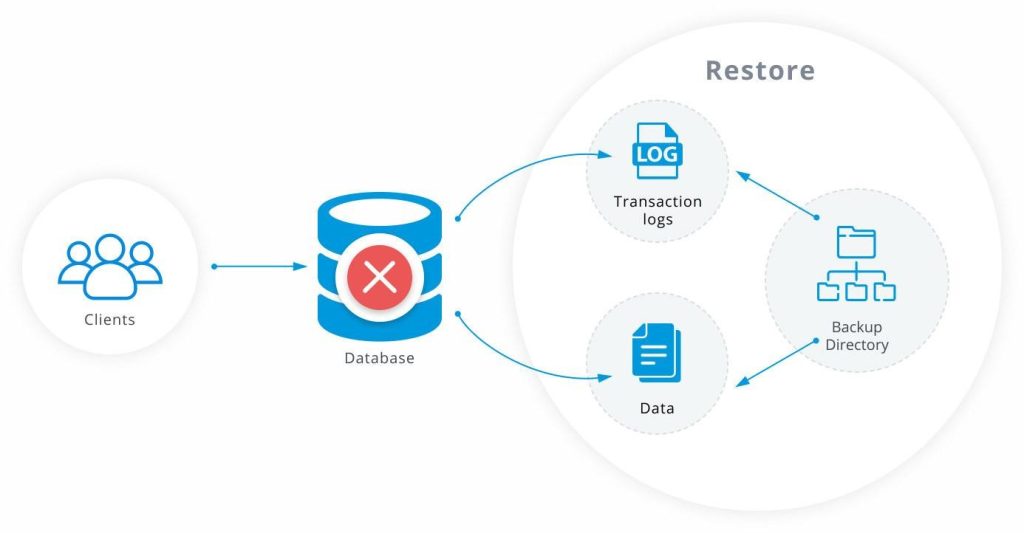
Data loss can have severe consequences, which is why DBAs implement strong backup and recovery strategies. They schedule regular backups and ensure that these backups are reliable and accessible when needed.
In addition to backups, DBAs prepare disaster recovery plans. These plans outline how to restore operations quickly in case of system failures, cyberattacks, or natural disasters. This responsibility ensures business continuity even in critical situations.
6. Routine Maintenance and System Health
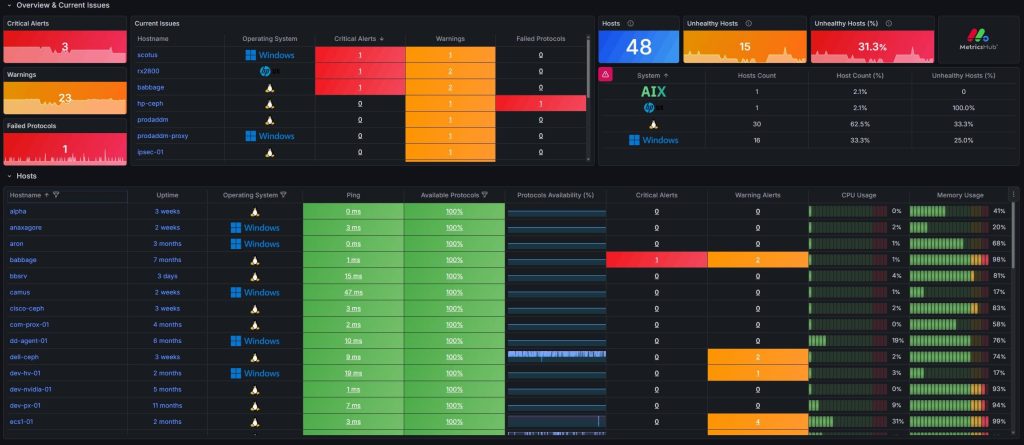
Maintaining a database is not a one-time task—it requires continuous care. DBAs perform routine maintenance to keep systems running efficiently.
This includes applying updates, cleaning up unnecessary data, and reorganizing indexes. Regular health checks help prevent issues before they become serious, ensuring long-term stability.
7. Troubleshooting and Problem Resolution
When problems occur, DBAs are responsible for diagnosing and resolving them quickly. Whether it’s a slow query, a system crash, or a connectivity issue, they must identify the root cause and fix it efficiently.
This requires deep technical knowledge and the ability to work under pressure, especially in environments where downtime directly impacts business operations.
8. Data Migration and Upgrades

As organizations evolve, databases often need to be upgraded or migrated. DBAs handle these transitions carefully to avoid data loss or downtime.
They ensure that data remains consistent during migration and that new systems function correctly. This is especially important when moving from on-premise systems to cloud platforms.
9. Automation and Monitoring Systems
Modern DBAs rely on automation to manage repetitive tasks. They set up monitoring systems that track database performance and send alerts when issues arise.
Automation not only reduces manual effort but also improves accuracy and response time, making database management more efficient.
10. Documentation and Reporting

Documentation is often overlooked but plays a vital role in database management. DBAs maintain detailed records of configurations, procedures, and system changes.
This documentation helps teams understand the system, ensures consistency, and makes troubleshooting easier in the future.
Types of Database Administrators
Different organizations require different types of DBAs. Some focus on system-level operations, while others specialize in application support or cloud environments. For example, a system DBA handles infrastructure and installation, while a cloud DBA manages databases hosted on platforms like AWS or Azure.
Skills Required to Become a DBA
To succeed in this role, a DBA must possess strong technical knowledge along with problem-solving abilities. Expertise in SQL, database systems, and performance tuning is essential. At the same time, soft skills such as communication and attention to detail help in managing complex systems effectively.
Challenges Faced by DBAs
DBAs often work in high-pressure environments where system failures or security issues need immediate attention. Managing large datasets, ensuring continuous availability, and protecting against cyber threats are some of the major challenges they face.
Despite these challenges, the role remains highly rewarding due to its importance in modern organizations.
Future of Database Administration
The future of database administration is evolving with advancements in technology. Cloud computing, automation, and artificial intelligence are transforming how databases are managed.
While automation is reducing manual tasks, the need for skilled DBAs is still strong. Organizations continue to rely on experts who can make strategic decisions and handle complex data environments.
Final Thoughts
Database Administrators are essential to the success of any data-driven organization. Their responsibilities go far beyond basic maintenance—they ensure that data systems are secure, efficient, and always available.
As data continues to grow in importance, the demand for skilled DBAs will only increase. Building expertise in this field opens the door to a stable and rewarding career in technology.
Want Learn Cloud Computing Course, Cyber Security Course, Networking Course ?, Visit Our Website www.kaashivinfotech.com.