

Software development tools in 2026 is no longer limited to writing lines of code. It has become a complete ecosystem where developers rely on powerful tools to design, build, test, deploy, and maintain applications efficiently. Whether you are a beginner learning your first programming language or an experienced engineer working on scalable systems, the tools you use can significantly impact your productivity and the quality of your work.
In today’s fast-paced tech environment, companies expect developers to deliver high-quality software quickly. This is only possible with the help of modern development tools that automate repetitive tasks, improve collaboration, and reduce errors. From code editors to cloud platforms, each tool plays a unique role in the development lifecycle.
This comprehensive guide explores the best software development tools in 2026 in a detailed, easy-to-understand format—similar to modern blog-style articles—so you can clearly understand their importance and how they fit into real-world workflows.
What Are Software Development Tools?
Software development tools are applications, platforms, or programs that assist developers throughout the software development lifecycle. These tools help in writing code, debugging errors, managing versions, automating builds, testing applications, and deploying them to production environments.
Instead of doing everything manually, developers rely on these tools to simplify complex processes. For example, a code editor helps you write code faster with suggestions, while a version control system helps you track changes and collaborate with others.
In simple terms, software development tools act as a support system that makes development faster, more efficient, and less error-prone.
Why Are Development Tools Important in 2026?
The importance of development tools has grown significantly due to the increasing complexity of modern applications. Today’s software is expected to be scalable, secure, and user-friendly. Achieving all of this without proper tools would be extremely difficult.
Modern tools help developers automate repetitive tasks, such as testing and deployment. They also improve team collaboration by allowing multiple developers to work on the same project without conflicts. Additionally, tools provide better debugging and monitoring capabilities, which helps in identifying and fixing issues quickly.
Another major trend in 2026 is the integration of artificial intelligence into development tools. Many modern IDEs and platforms now provide AI-based code suggestions, automated bug detection, and even code generation, making development smarter and faster.
1. Code Editors and IDEs

Code editors and Integrated Development Environments (IDEs) are the foundation of software development. This is where developers spend most of their time writing and editing code.
Visual Studio Code has become one of the most popular tools due to its lightweight design and powerful extension ecosystem. It supports multiple programming languages and offers features like IntelliSense, debugging, and Git integration. Its flexibility makes it suitable for both beginners and professionals.
IntelliJ IDEA is widely used in enterprise environments, especially for Java development. It provides deep code analysis, smart suggestions, and advanced debugging features that improve development efficiency.
For Python developers, PyCharm offers a specialized environment with built-in support for testing, debugging, and web frameworks. It simplifies complex tasks and improves productivity.
Sublime Text is known for its speed and simplicity. Although it is lightweight, it provides powerful features that make it a favorite among experienced developers who prefer minimalism.
These tools are continuously evolving, with many now integrating AI features that assist developers in writing better code faster.
2. Version Control Systems
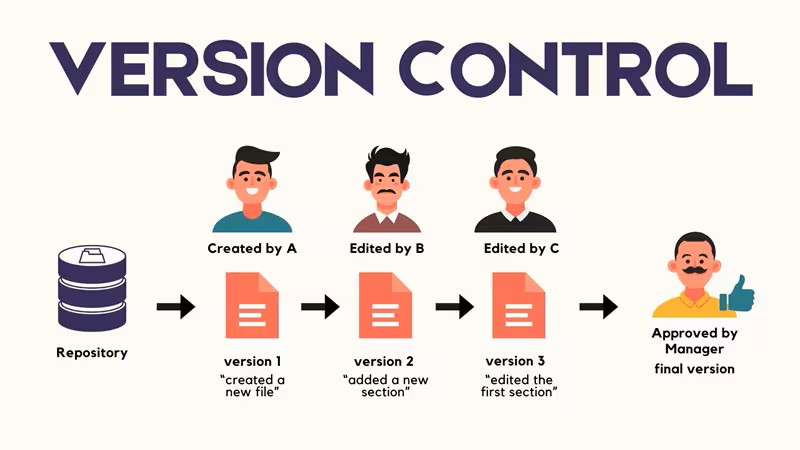
Version control systems are essential for managing code changes and enabling collaboration among developers.
Git is the most widely used system for tracking changes in code. It allows developers to create branches, merge updates, and maintain a complete history of their work. This makes it easy to experiment with new features without affecting the main project.
Platforms like GitHub and GitLab extend Git’s functionality by providing collaboration features such as pull requests, issue tracking, and automated workflows. These platforms are widely used in both open-source and enterprise projects.
Bitbucket is another popular option, especially for teams using Atlassian tools like Jira. It offers strong integration and enterprise-level features.
Version control tools are critical for teamwork, ensuring that developers can work together efficiently without overwriting each other’s code.
3. DevOps and Containerization Tools

DevOps tools have revolutionized the way software is built and deployed. They bridge the gap between development and operations, enabling faster and more reliable releases.
Docker allows developers to package applications along with their dependencies into containers. This ensures that the application runs consistently across different environments.
Kubernetes is used to manage and scale these containers in production environments. It automates deployment, scaling, and maintenance of applications.
Jenkins plays a key role in continuous integration and continuous deployment (CI/CD). It automates the process of building, testing, and deploying code, reducing manual effort and improving efficiency.
Terraform allows developers to define infrastructure using code. This makes it easier to manage cloud resources and ensures consistency across environments.
These tools are essential for modern software development, especially for large-scale applications.
4. Frameworks and Development Technologies
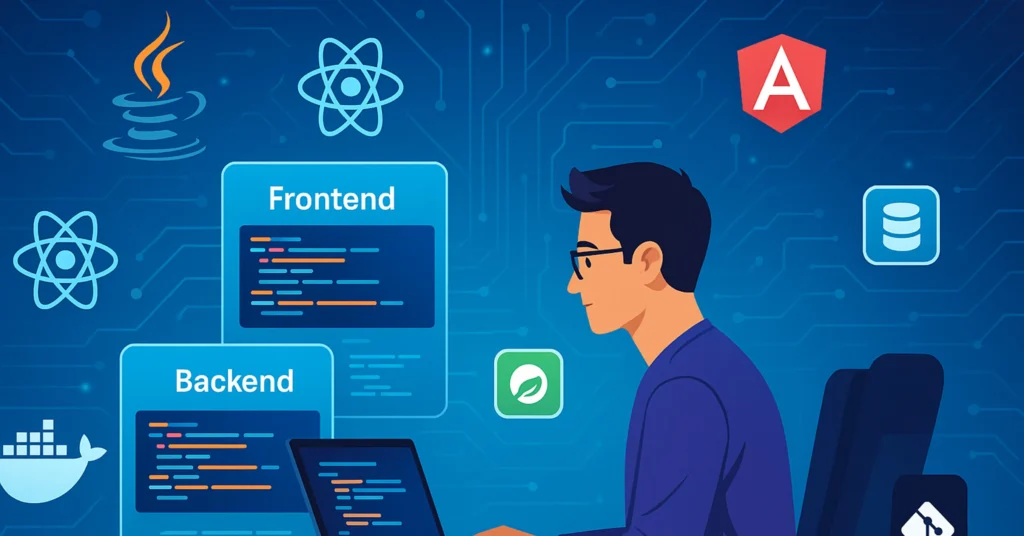
Frameworks provide pre-built components and structures that simplify the development process. Instead of building everything from scratch, developers can use frameworks to speed up development and ensure best practices.
React is widely used for building user interfaces, especially for web applications. It allows developers to create reusable components, making development faster and more efficient.
Node.js enables developers to use JavaScript for backend development, creating a unified development environment.
For mobile app development, Flutter and React Native are popular choices. They allow developers to build cross-platform applications using a single codebase.
Frameworks play a crucial role in reducing development time and improving application performance.
5. Testing and Debugging Tools

Testing is a critical part of software development, ensuring that applications work as expected before they are released.
Selenium is widely used for automating web application testing. It allows developers to simulate user interactions and identify issues early.
JUnit is commonly used for unit testing in Java applications, helping developers ensure that individual components work correctly.
Postman simplifies API testing by providing an easy-to-use interface for sending requests and analyzing responses.
Chrome DevTools helps developers debug front-end issues, analyze performance, and inspect elements directly in the browser.
These tools improve software quality and reduce the chances of bugs in production.
6. Collaboration and Project Management Tools

Software development is a collaborative process that requires effective communication and coordination.
Slack enables real-time communication among team members, making it easier to share updates and resolve issues quickly.
Jira is widely used for managing tasks, tracking bugs, and planning sprints in Agile development.
Trello provides a visual way to manage tasks using boards and cards, making it easy to track progress.
Notion serves as an all-in-one platform for documentation, project management, and collaboration.
These tools ensure that teams stay organized and aligned throughout the development process.
7. Cloud Platforms
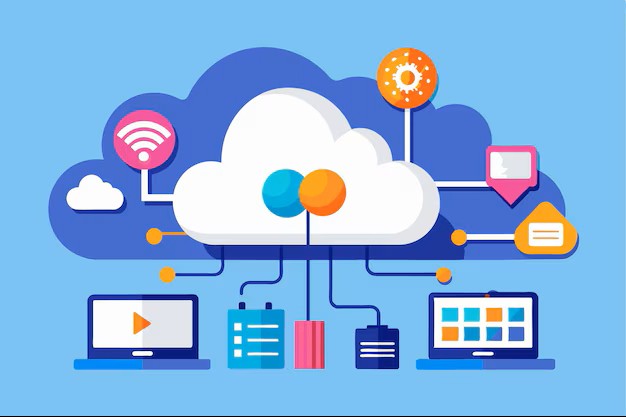
Cloud computing has become the backbone of modern software development. It allows developers to build, deploy, and scale applications without managing physical servers.
Amazon Web Services offers a wide range of services, including computing, storage, and machine learning.
Microsoft Azure is popular among enterprises due to its integration with Microsoft products.
Google Cloud Platform is known for its strong data analytics and AI capabilities.
Cloud platforms provide flexibility, scalability, and cost efficiency, making them essential for modern development.
Final Thoughts
Software development tools have transformed the way applications are built in 2026. From writing code to deploying applications globally, every stage of development is supported by powerful tools that improve efficiency and quality.
Choosing the right tools depends on your project requirements, experience level, and team structure. Beginners can start with simple tools like VS Code, Git, and Postman, while advanced developers can leverage DevOps and cloud platforms for building scalable systems.
In the end, mastering these tools is not just an advantage—it is a necessity for anyone who wants to succeed in the modern software development industry.
If You Want to study Software Testing Course, or any other course & Internship visit www.kaashivinfotech.com