

Key Highlights 🚀
- Understand the Roles and Responsibilities of a Mechanical Engineer in simple words.
- Learn how mechanical engineers contribute to everyday life.
- Discover the key skills required for success in this profession.
- Explore real-world examples of mechanical engineering work.
- Find out why mechanical engineers are important in industries like manufacturing, automotive, aerospace, and energy.
- Learn about career opportunities and future growth in mechanical engineering.
Roles and Responsibilities of a Mechanical Engineer
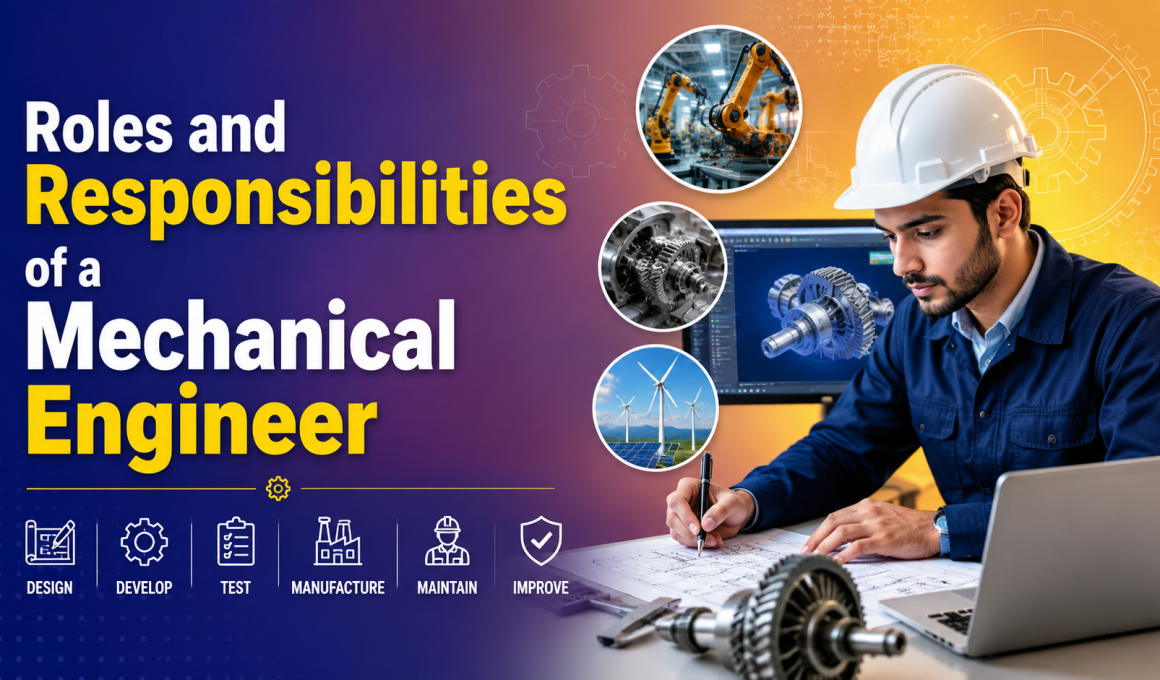
Roles and Responsibilities of a Mechanical Engineer are much broader than most people imagine. When I was first introduced to mechanical engineering, I thought it was all about machines, tools, and factory equipment. But the more I learned, the more I realized that mechanical engineers help design, build, test, and improve many of the products we use every day.
From cars and air conditioners to industrial robots and aircraft engines, mechanical engineers play a huge role behind the scenes. If you’ve ever wondered what they actually do, you’re in the right place.
In simple terms, the Roles and Responsibilities of a Mechanical Engineer involve solving problems, creating efficient designs, improving performance, ensuring safety, and helping organizations develop better products and systems.
Let’s dive deeper.
What Does a Mechanical Engineer Do?
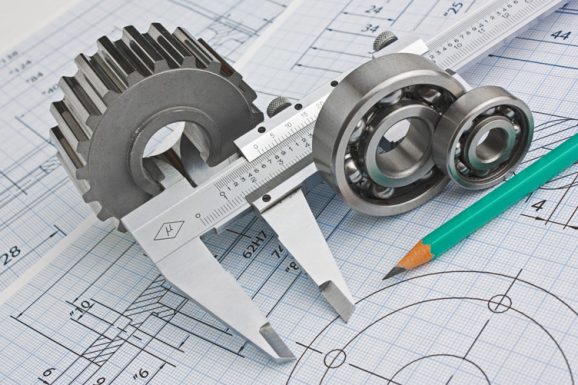
A mechanical engineer is a professional who designs, develops, manufactures, and maintains mechanical systems and equipment.
Think about the fan spinning above your head. Someone designed its motor, selected the materials, tested its performance, and ensured it would work safely for years. That “someone” was likely a mechanical engineer.
The primary goal of a mechanical engineer is simple:
👉 Create efficient, safe, reliable, and cost-effective mechanical solutions.
1. Designing Mechanical Systems and Products
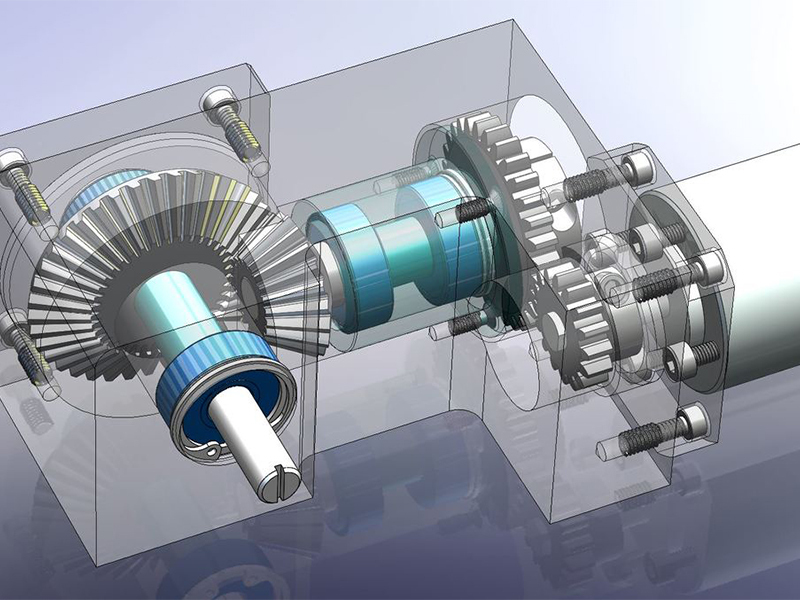
One of the most important Roles and Responsibilities of a Mechanical Engineer is designing products and systems.
Mechanical engineers create designs for:
- Engines
- Machines
- Industrial equipment
- HVAC systems
- Consumer products
- Robotics
Today, engineers use software such as:
- AutoCAD
- SolidWorks
- CATIA
These tools help transform ideas into detailed digital designs before actual manufacturing begins.
Real-Life Example
When a car company develops a new vehicle, mechanical engineers design components like:
- Engine systems
- Suspension systems
- Braking systems
- Cooling systems
Without proper design, the vehicle may not perform efficiently or safely.
2. Conducting Research and Development (R&D)
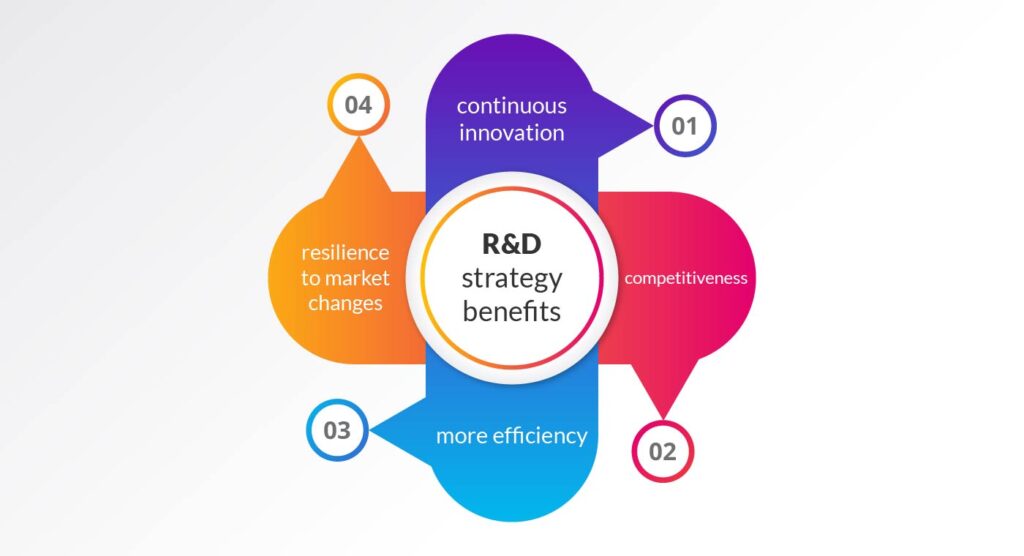
Another key aspect of the Roles and Responsibilities of a Mechanical Engineer is research and development.
Technology never stops evolving. Because of this, companies constantly look for better ways to improve products.
Mechanical engineers conduct research to:
- Improve efficiency
- Reduce costs
- Increase durability
- Enhance safety
- Develop innovative solutions
I find this part especially exciting because engineers are constantly learning and experimenting.
For example, electric vehicle manufacturers continuously research lighter materials and better battery cooling systems to improve performance.
3. Testing and Evaluating Products
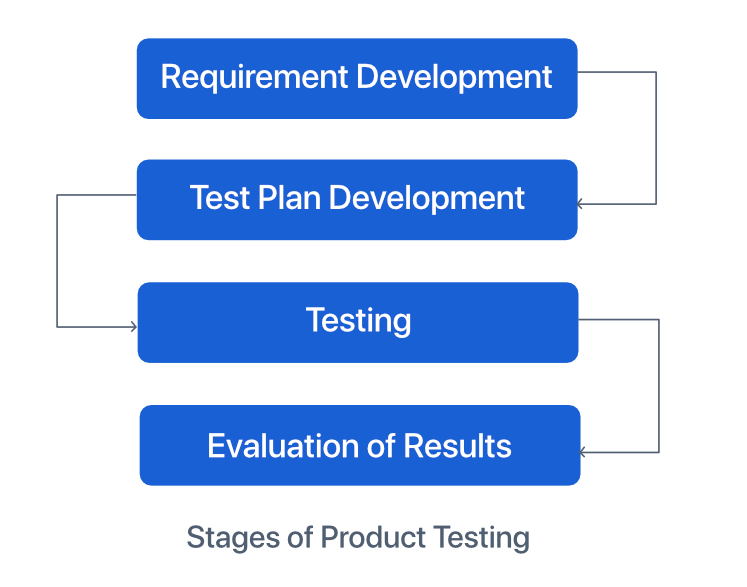
Designing something is only half the job.
Mechanical engineers must also test their designs before products reach customers.
Testing helps verify:
- Performance
- Reliability
- Safety
- Durability
A product might look perfect on a computer screen, but real-world conditions often reveal unexpected problems.
Example
Imagine designing a bridge. Engineers must ensure it can withstand:
- Heavy traffic
- Strong winds
- Extreme temperatures
Testing helps identify weaknesses before failures occur.
This makes product testing one of the most critical Roles and Responsibilities of a Mechanical Engineer.
4. Supervising Manufacturing Processes
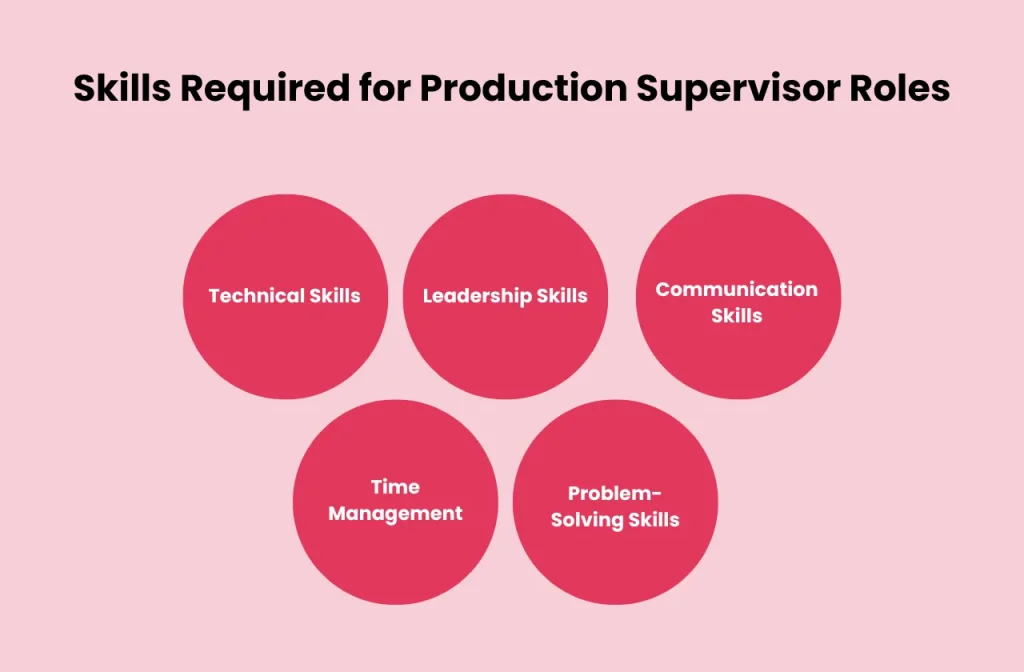
Mechanical engineers often work closely with manufacturing teams.
Their responsibilities include:
- Monitoring production
- Ensuring quality standards
- Solving production issues
- Improving efficiency
I once visited a manufacturing facility and was surprised by how much coordination happens behind the scenes. Machines, workers, materials, and schedules all need to work together smoothly.
Mechanical engineers help ensure that happens.
Why It Matters
Even a great design can fail if manufacturing processes are poor.
That’s why supervising production remains one of the essential Roles and Responsibilities of a Mechanical Engineer.
5. Maintaining and Improving Equipment
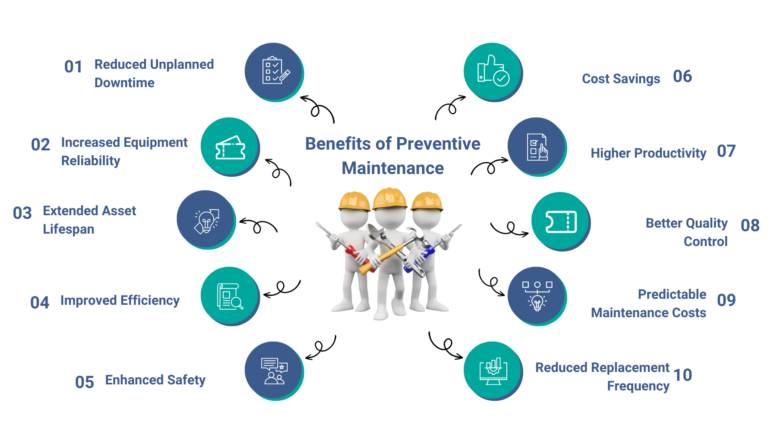
Machines require regular maintenance to perform efficiently.
Mechanical engineers help organizations:
- Inspect equipment
- Identify faults
- Schedule maintenance
- Reduce downtime
- Improve machine performance
For example, in a power plant, unexpected equipment failure can lead to huge financial losses.
Mechanical engineers work proactively to prevent such situations.
This maintenance role directly impacts productivity and operational efficiency.
6. Ensuring Safety and Compliance

Safety is not optional.
One of the most important Roles and Responsibilities of a Mechanical Engineer is ensuring that systems and equipment comply with safety regulations and industry standards.
Engineers must consider:
- Worker safety
- Product safety
- Environmental impact
- Government regulations
For example, pressure vessels, boilers, and industrial machinery must meet strict safety requirements.
Failure to comply can result in accidents, legal issues, and financial losses.
7. Managing Projects and Teams

As engineers gain experience, many move into leadership roles.
Project management becomes a major responsibility.
Mechanical engineers often:
- Manage project timelines
- Coordinate teams
- Control budgets
- Communicate with clients
- Monitor project progress
Strong communication skills become just as important as technical knowledge.
I think this surprises many students. Engineering isn’t only about calculations and machines. It’s also about teamwork and leadership.
Essential Skills Required for Mechanical Engineers
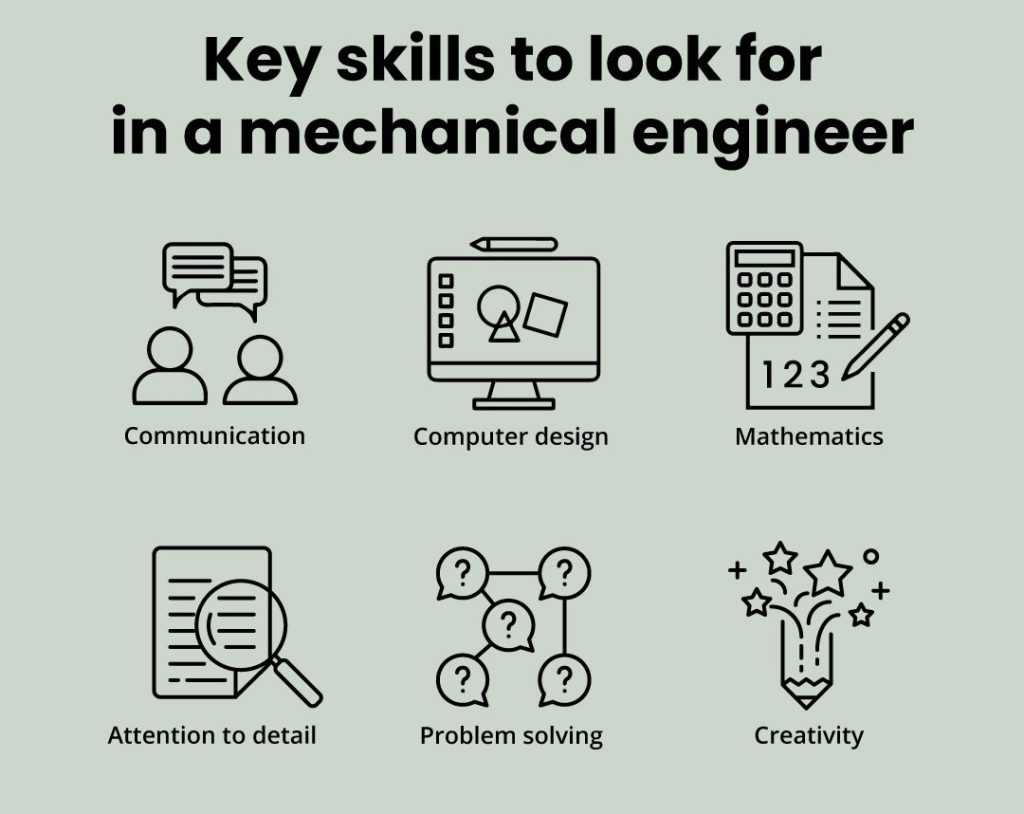
To successfully handle the Roles and Responsibilities of a Mechanical Engineer, professionals need a combination of technical and soft skills.
Technical Skills
✅ CAD Software
✅ Engineering Mathematics
✅ Thermodynamics
✅ Fluid Mechanics
✅ Manufacturing Processes
✅ Materials Science
Soft Skills
✅ Problem-solving
✅ Communication
✅ Leadership
✅ Time Management
✅ Teamwork
These skills help engineers perform effectively in different industries.
Industries That Hire Mechanical Engineers

The Roles and Responsibilities of a Mechanical Engineer vary depending on the industry.
Some major industries include:
🚗 Automotive Industry
Engine design, vehicle systems, manufacturing processes.
✈️ Aerospace Industry
Aircraft structures, propulsion systems, maintenance.
🏭 Manufacturing Industry
Production systems, quality control, automation.
⚡ Energy Sector
Power plants, renewable energy systems, turbines.
🤖 Robotics and Automation
Industrial robots, automated machinery, smart manufacturing.
🏥 Healthcare Industry
Medical devices and equipment design.
Why Mechanical Engineers Are Important
Sometimes we overlook how much engineering impacts our daily lives.
Take a moment and look around:
- Your refrigerator
- Your air conditioner
- Your car
- Your elevator
- Your washing machine
All of these products exist because engineers transformed ideas into practical solutions.
The Roles and Responsibilities of a Mechanical Engineer directly influence comfort, safety, transportation, healthcare, manufacturing, and technological innovation.
Simply put, modern life would look very different without them.
Final Thoughts
The Roles and Responsibilities of a Mechanical Engineer go far beyond designing machines. Mechanical engineers solve problems, create innovative products, improve manufacturing processes, maintain equipment, ensure safety, and lead important projects.
What I admire most about this profession is its impact on everyday life. Whether it’s developing cleaner energy systems, building safer vehicles, or designing smarter machines, mechanical engineers continuously shape the world around us.
If you’re considering a career in engineering, understanding the Roles and Responsibilities of a Mechanical Engineer is a great first step. It’s a challenging field, no doubt—but it’s also one of the most rewarding and impactful professions out there. 🚀
Want to Learn More About Python & Artificial Intelligence ???, Kaashiv Infotech Offers Full Stack Python Course, Artificial Intelligence Course, Data Science Course & More Visit Their Website course.kaashivinfotech.com.