
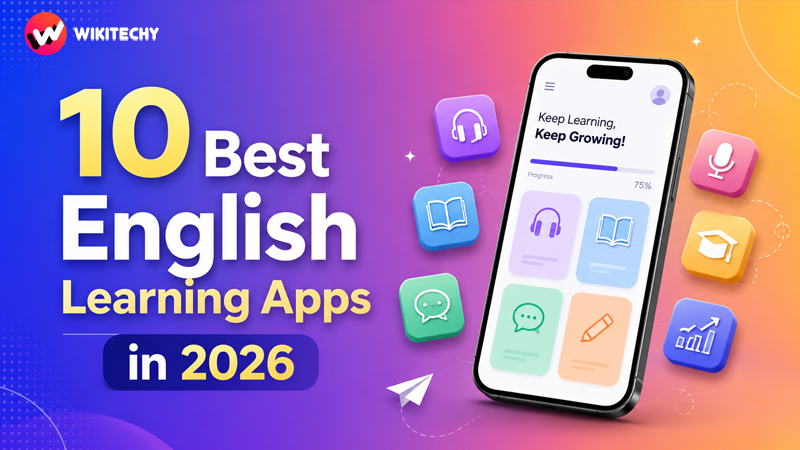
Learning English in 2026 is no longer limited to classrooms or textbooks. With AI-driven platforms, real-time feedback, and global communities, you can now build fluency directly from your phone. The key isn’t just consistency—it’s choosing the right apps that match your learning style.
In this expanded guide, we’ll explore 10 of the best English learning apps
with deeper insights into how each one works, who it’s best for, and why it stands out. Also, as requested, we’ve replaced Duolingo with a more advanced alternative.
Top 10 English Learning Apps
1. Speak – Learn English with AI

Speak is quickly becoming one of the most powerful tools for learning spoken English. Unlike traditional apps, it focuses almost entirely on real conversation practice powered by AI.
Instead of tapping answers or memorizing vocabulary, you actually speak from the very first lesson. The AI listens, responds, and corrects you instantly, making it feel like you’re talking to a real tutor.
What makes Speak truly different is its ability to simulate real-world conversations. Whether you’re preparing for interviews, travel, or casual conversations, the app adapts to your level and builds confidence naturally.
It’s especially effective for learners who struggle with speaking despite understanding grammar.
2. Babbel
Babbel takes a more structured and academic approach, making it ideal for learners who prefer guided progression.
Each lesson is designed by linguists and focuses on practical communication. Instead of random phrases, you learn how to form sentences that are actually useful in daily life—like ordering food, attending meetings, or introducing yourself.
The strength of Babbel lies in its balance between grammar and conversation. It doesn’t overwhelm you with theory but ensures you understand why sentences work.
3. Rosetta Stone
Rosetta Stone is one of the oldest and most respected language-learning platforms, but it has evolved significantly.
Its immersive method avoids translation completely. You learn English the same way children learn their first language—through context, images, and repetition.
At first, this may feel challenging, but over time it builds deep understanding and natural thinking in English rather than translating from your native language.
4. HelloTalk
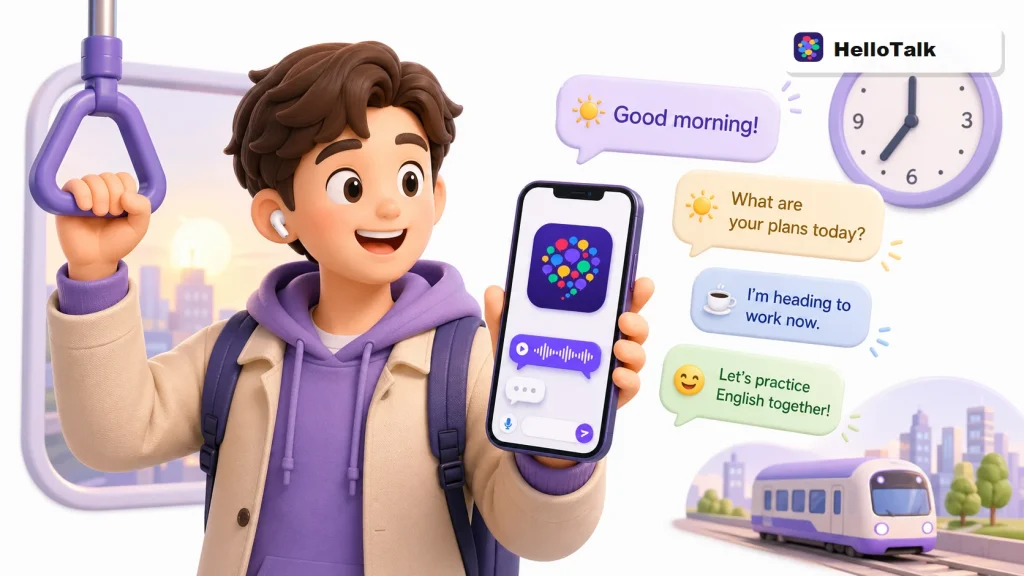
HelloTalk transforms your learning experience into a social activity.
Instead of learning alone, you connect with native English speakers from around the world. You can chat, send voice notes, and even make calls. The app includes built-in correction tools, so your mistakes are fixed in real time by actual humans.
This kind of exposure is extremely valuable because it teaches you how English is actually used, not just how it’s written in textbooks.
5. Memrise
Memrise focuses heavily on vocabulary and real-life usage.
What makes it unique is its use of short video clips featuring native speakers. You don’t just learn words—you see how they’re spoken in everyday conversations, including accents, expressions, and tone.
Over time, this builds both listening skills and natural understanding, especially useful if you plan to interact with international speakers.
6. Busuu

Busuu offers a well-rounded experience by combining structured lessons with human interaction.
You follow a personalized study plan, and as you complete exercises, native speakers from the community review and correct your answers.
This creates a powerful loop: you learn, practice, get feedback, and improve continuously.
7. ELSA Speak
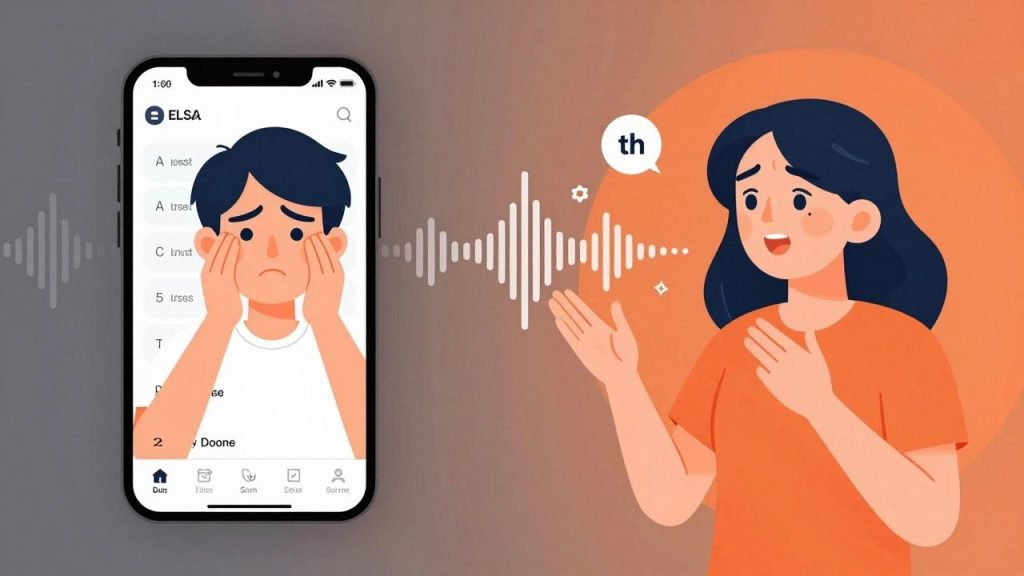
ELSA Speak is designed specifically to improve pronunciation and speaking clarity.
It uses advanced AI to analyze how you speak and compares it with native pronunciation. It then highlights exactly where you’re going wrong—down to individual sounds.
For learners aiming to sound more fluent and confident, ELSA acts like a personal speech coach in your pocket.
8. BBC Learning English
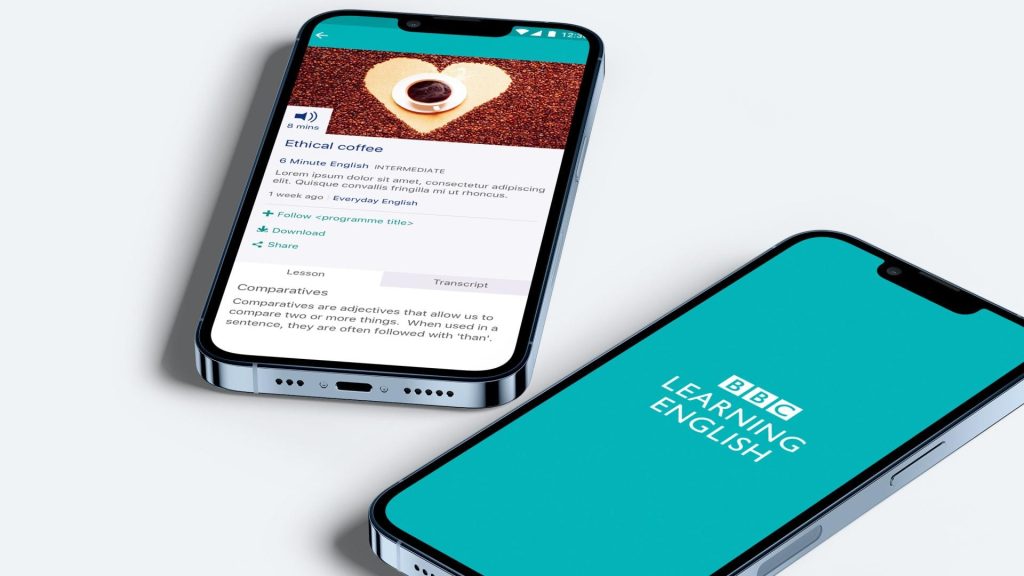
BBC Learning English is a goldmine of high-quality, free content.
It uses real-world topics like news, culture, and global events to teach English. This approach not only improves your language skills but also keeps you informed about the world.
Because the content is created by professionals, the quality and accuracy are consistently excellent.
9. Grammarly
Grammarly is not a traditional learning app, but it plays a crucial role in improving written English.
As you type emails, messages, or documents, Grammarly corrects your grammar, suggests better vocabulary, and even adjusts tone based on context.
Over time, this passive learning method significantly improves your writing skills without requiring dedicated study sessions.
10. Cambly

Cambly offers one of the most direct ways to improve your spoken English—live conversations with native tutors.
You can start a session anytime, choose your tutor, and practice real conversations based on your goals. Whether it’s job interviews, business English, or casual speaking, Cambly provides personalized guidance.
This real-time interaction is one of the fastest ways to build confidence.
Final Thoughts
There is no single “best” app for everyone. The smartest approach is combining tools based on your goal.
If your focus is speaking confidently, apps like Speak and Cambly will give you real conversational practice. If you want structure and long-term progress, Babbel or Busuu will guide you step by step. For polishing pronunciation, ELSA Speak is incredibly effective, while Grammarly silently improves your writing every day.
The real secret is consistency. Even 20 minutes a day using the right mix of apps can transform your English skills within a few months.
Want to learn more, Kaashiv Infotech Offers, UI UX Course, Front End Development Course, Full Stack Development Course & More, Visit Their Website www.kaashivinfotech.com.