


How to Optimize Keywords for SEO – Keyword optimization is one of those topics that sounds simple—until you actually try to rank a page and realize how many moving parts are involved. I’ve been there. You pick a keyword, write a solid article, hit publish… and nothing happens. No traffic, no rankings, just silence.
That’s because modern SEO isn’t about “adding keywords.” It’s about understanding intent, structuring content, and using keywords in a way that feels natural to both users and search engines.
In this detailed guide, I’ll walk you through a complete, real-world process you can follow to optimize keywords properly in 2026.
🌐 Understanding Keyword Optimization in Today’s SEO

Keyword optimization is the process of aligning your content with what people are actually searching for—and doing it in a way that search engines can clearly understand.
But here’s what changed: Google no longer ranks pages just because they contain a keyword. It ranks pages that solve a problem better than others.
So instead of thinking:
“Where should I place my keyword?”
Start thinking:
“Does my content fully answer the user’s question?”
That mindset shift is everything.
🔍 Step 1: Start with Search Intent (The Real Foundation)
Before you even open a keyword tool, you need to understand why someone is searching.
Every keyword has an intent behind it. Sometimes people want to learn something, sometimes they want to buy, and sometimes they’re just comparing options. If your content doesn’t match that intent, it simply won’t rank—no matter how well optimized it is.
For example, if someone searches “best laptops under 50k”, they expect a comparison article, not a technical explanation of laptop components. Similarly, if someone searches “what is keyword optimization”, they want a clear explanation, not a sales page.
A simple trick is to Google your keyword and look at the top results. They reveal exactly what Google believes users want.
🔑 Step 2: Smart Keyword Research (Not Just Volume Hunting)

Most beginners make the same mistake—they chase high-volume keywords. But those are usually the hardest to rank for.
Instead, a smarter approach is to find keywords that balance three things:
- Relevance to your topic
- Achievable competition
- Clear intent
Let’s say your topic is “SEO.” That’s extremely competitive. But a keyword like “how to optimize keywords for blog posts” is more specific, less competitive, and easier to rank.
These are called long-tail keywords, and they are your best friend, especially if your website is new.
Also, don’t rely on just one keyword. A strong page naturally includes multiple related terms, variations, and synonyms. This helps search engines understand your content more deeply.
🧠 Step 3: Choosing Keywords Strategically
Once you have a list, don’t just pick randomly. Choose one primary keyword that defines your page, and a set of secondary keywords that support it.
Your primary keyword should represent the main topic clearly. Everything else in your article should revolve around it.
Secondary keywords, on the other hand, help you expand your content. They allow you to rank for multiple related searches without repeating the same phrase again and again.
This is how modern SEO works—it’s about topic coverage, not just keyword repetition.
✍️ Step 4: Optimizing Your Title and Meta Description

Your title is the first interaction users have with your content. It needs to do two things at once: include your keyword and make people want to click.
A good title feels natural, clear, and slightly compelling. It shouldn’t look forced or stuffed with keywords.
The meta description, while not a direct ranking factor, plays a huge role in getting clicks. Think of it as your content’s advertisement in search results. If it’s engaging and relevant, more people will click—and that indirectly improves your rankings.
🧱 Step 5: Structuring Content with Headings
A well-structured article is easier for both users and search engines to understand.
Instead of writing one long block of text, break your content into sections using headings. Your main heading (H1) should include your primary keyword, while subheadings (H2, H3) can include variations and related phrases.
This doesn’t just improve SEO—it makes your content more readable and engaging.
📝 Step 6: Writing Content That Feels Natural

Here’s where most people go wrong. They try too hard to “optimize” and end up ruining readability.
Keyword stuffing is outdated and harmful. Instead, your goal should be to write naturally while covering your topic completely.
Use your keyword where it makes sense—especially in the introduction and important sections—but don’t force it. Use variations, rephrase sentences, and write like you’re explaining to a real person.
Search engines are now smart enough to understand context, so you don’t need to repeat the exact phrase multiple times.
📍 Step 7: Placing Keywords in Key Areas
Even though natural writing is important, placement still matters.
Your keyword should appear in strategic locations like the beginning of your article, in some headings, and near the conclusion. It also helps to include it in image alt text and URLs where relevant.
These placements act as signals, helping search engines quickly understand what your page is about.
🖼️ Step 8: Optimizing Images for SEO
Images are often ignored in SEO, but they can bring additional traffic through image search.
Instead of uploading files with random names, rename them based on your topic. Also, always add descriptive alt text that includes your keyword naturally.
This improves accessibility and gives search engines more context about your content.
🔗 Step 9: Internal Linking Strategy

Internal linking is one of the most underrated SEO techniques.
When you link to other relevant pages on your website, you help search engines discover your content more efficiently. It also keeps users engaged longer, which is a positive ranking signal.
Over time, this builds a strong content network, often called a topic cluster, where multiple pages support each other.
🧩 Step 10: Using Semantic Keywords (LSI)
Search engines don’t just look for exact keywords anymore—they analyze the meaning behind your content.
That’s why including related terms is important. If your topic is keyword optimization, naturally including terms like SEO strategy, organic traffic, and ranking factors helps reinforce your content’s relevance.
This approach improves your chances of ranking for multiple queries without extra effort.
🎤 Step 11: Optimizing for Voice Search
With more people using voice assistants, search queries are becoming more conversational.
Instead of short phrases, users now ask full questions. To adapt, include question-based headings and write answers in a clear, natural tone.
This increases your chances of appearing in featured snippets and voice search results.
📊 Step 12: Track, Analyze, and Improve
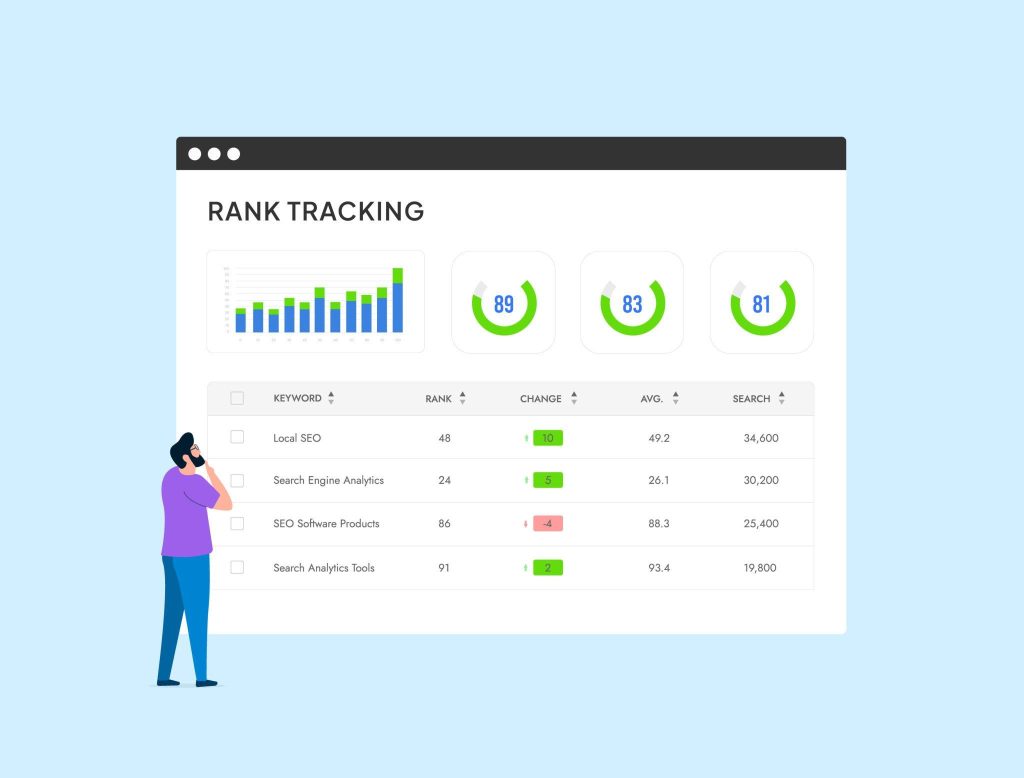
SEO doesn’t end after publishing. In fact, that’s just the beginning.
Once your content is live, monitor how it performs. Look at which keywords are bringing traffic, where you rank, and how users interact with your page.
Based on this data, update your content. Add new sections, improve clarity, and refine keyword usage. This continuous improvement is what separates average content from high-ranking pages.
⚠️ Common Mistakes to Avoid
One of the biggest mistakes is focusing only on keywords while ignoring user experience. Others include overusing the same keyword, targeting irrelevant terms, and never updating old content.
SEO rewards relevance, quality, and freshness—not shortcuts.
🚀 Final Thoughts
Keyword optimization today is not about tricks or hacks. It’s about understanding people, creating valuable content, and structuring it in a way that search engines can interpret easily.
If you follow this step-by-step approach, you won’t just rank—you’ll build content that consistently attracts the right audience.
Take it one article at a time. Improve with each piece. That’s how real SEO growth happens.
Want to learn More about Marketing Management Kaashiv Infotech Offers Digital Marketing Course & More, Visit www.kaashivinfotech.com.