
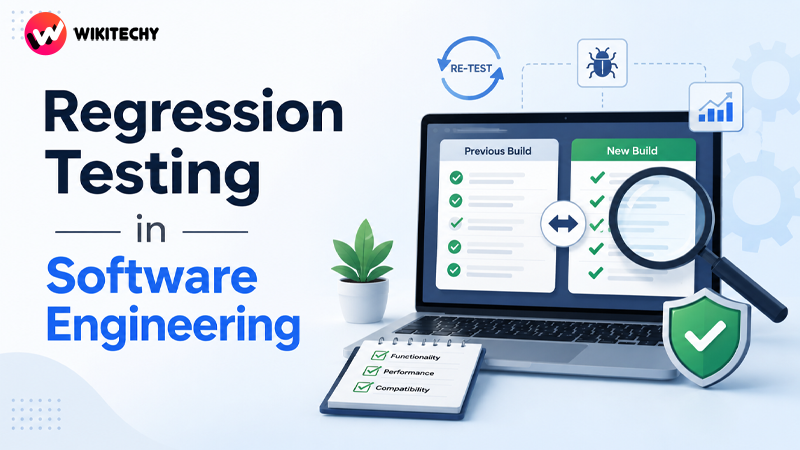
Let’s get straight to it—regression testing isn’t the most glamorous part of software engineering. It doesn’t have the hype of AI automation or the visual appeal of modern front-end frameworks. But in reality, it’s one of the most critical processes that keeps your software stable, reliable, and production-ready after every update.
And honestly, I learned this the hard way.
A few years ago, I was part of a QA team working on a mobile banking application. Everything seemed perfect after rolling out a major feature update—until we discovered that the login screen stopped working for a segment of older users. The cause? A small tweak that unintentionally broke authentication logic buried deep in the system.
We skipped regression testing, assuming nothing would break.
That assumption cost us.
What is Regression Testing in Software?
Regression testing is the process of re-testing existing functionality after code changes such as bug fixes, enhancements, or new feature additions. The goal is simple: ensure that previously working features continue to function correctly.
Think of it like upgrading your car’s sound system—you’re not just checking the music, you’re making sure the brakes and engine still work perfectly afterward.
Why Regression Testing is Crucial
Software systems are fragile. Even a minor code change can have unexpected ripple effects.
Here’s why regression testing is essential:
- It prevents the reappearance of old bugs
- It ensures system stability after updates
- It builds confidence before releases
- It helps maintain consistent product quality
When done right, regression testing acts as a safety net—catching issues before your users ever notice them.
A Real-World Lesson I’ll Never Forget
In one of my projects involving an e-commerce platform, we rolled out a major update. Everything looked fine—product pages, cart functionality, recommendations—all working smoothly.
But there was one problem.
The checkout failed.
Users could browse and add items, but the moment they clicked “Place Order,” the system crashed. The root cause? A payment gateway API update that disrupted session handling.
If we had performed proper regression testing, we would’ve caught it early.
Instead, we faced downtime, lost transactions, and frustrated users.
That experience completely changed how I approach testing. From that point on, regression testing became non-negotiable—and I started automating it wherever possible.
Regression Testing vs Retesting
These two are often confused, but they serve different purposes:
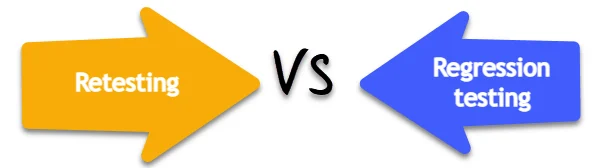
- Retesting verifies that a specific bug has been fixed
- Regression testing ensures that the fix hasn’t broken other parts of the application
In simple terms:
Retesting checks the fix. Regression testing checks everything else.
How to Perform Regression Testing Effectively
Here’s a practical approach I follow:
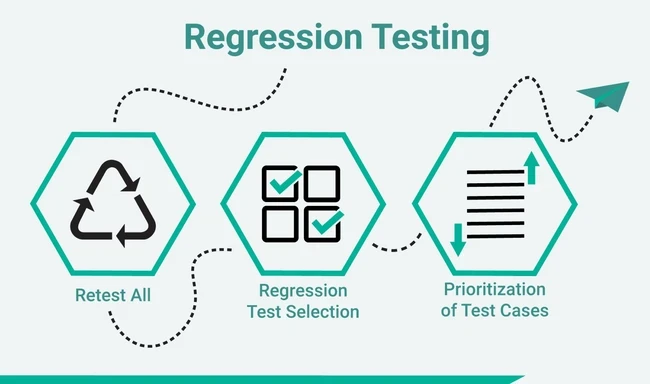
- Identify modified areas in the application
- Select relevant regression test cases (focus on critical features)
- Automate repetitive tests using reliable tools
- Execute tests after every build or update
- Track results and analyze failures for improvement
The key here is consistency. Regression testing isn’t a one-time task—it’s an ongoing process.
Popular Tools for Regression Testing

If you want to scale efficiently, automation tools are your best friend:
- Selenium – Ideal for web application testing
- JUnit / TestNG – Perfect for Java-based testing
- UFT (QTP) – Suitable for enterprise-level automation
- Jenkins – Enables CI/CD-based automated testing
- Apache JMeter – Useful for performance and regression scenarios
Manual vs Automated Regression Testing
Both approaches have their advantages:
- Manual Testing – Best for UI validation and small updates
- Automated Testing – Essential for large applications and frequent releases
A hybrid approach works best—automate repetitive tasks and manually test critical user flows.

When Should You Perform Regression Testing?
Never skip regression testing in these scenarios:
- After fixing bugs
- After adding new features
- Before major releases
- During system integration
- After performance improvements
A Small Win That Made a Big Difference
In a healthcare application I worked on, a minor update in patient data handling caused report inconsistencies. Thankfully, our automated regression tests caught the issue before deployment.
That single test prevented a serious compliance problem.
Moments like these prove that regression testing isn’t optional—it’s essential.
Final Thoughts: The Backbone of Software Quality
If there’s one takeaway from this, it’s this:
Regression testing is the backbone of reliable software.
It may not be visible to users, but it plays a crucial role behind the scenes—ensuring smooth experiences, stable releases, and happy customers.
Whether you’re a beginner or an experienced developer, make regression testing a habit. Your future self—and your users—will thank you.
If You Want to study Software Testing Course, or any other course & Internship visit www.kaashivinfotech.com