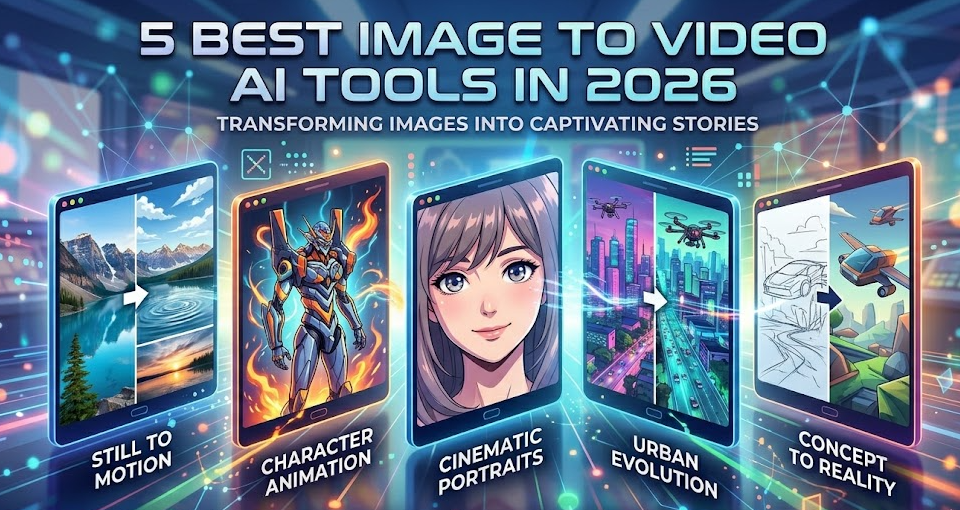

In the ever-evolving world of digital content, turning static images into engaging videos has become essential for creators and marketers alike. Image to video AI tools allow users to animate illustrations, photos, or even concept art, providing dynamic storytelling options for social media, marketing campaigns, and personal projects. These tools reduce the need for traditional filming and editing skills, making professional-quality video creation accessible to anyone. Whether the goal is faceless videos, YouTube intros, daily vlogs, or cinematic storytelling, the right AI platform can save time while enhancing creativity. In this list, we highlight the top 5 image to video AI tools of 2026.
Table Of Content
- 1. Pollo AI – Best for Social Media Clips and Dynamic Videos
- 2. Pika AI – Best for Stylized and Story-Driven Animations
- 3. Luma AI – Best for Photorealistic and 3D-Aware Videos
- 4. Seedance 2.0 – Best for Music, Dance, and Performance Clips
- 5. Kling 3.0 – Best for Business, Social Clips, and Educational Content
- Conclusion
1. Pollo AI – Best for Social Media Clips and Dynamic Videos
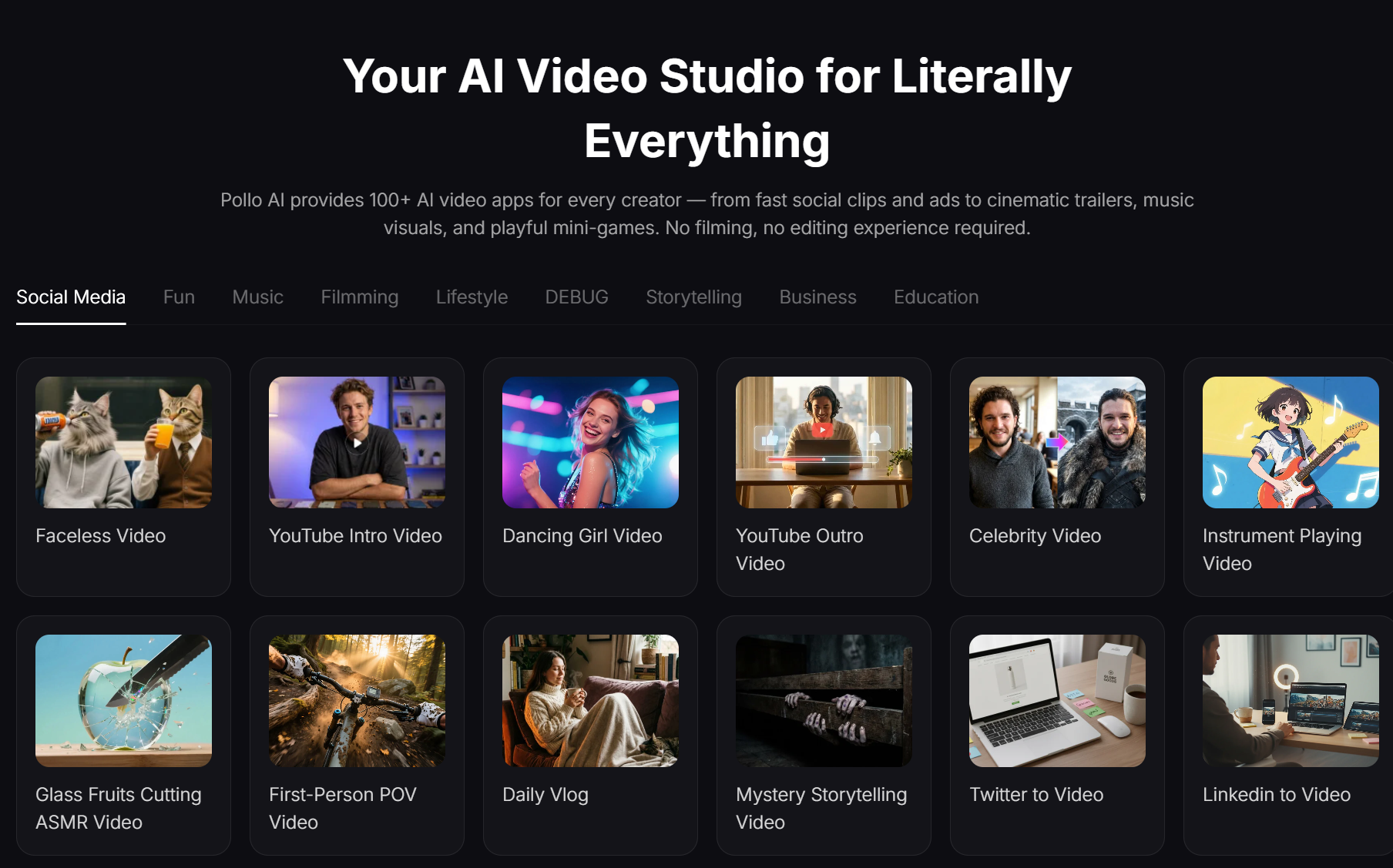
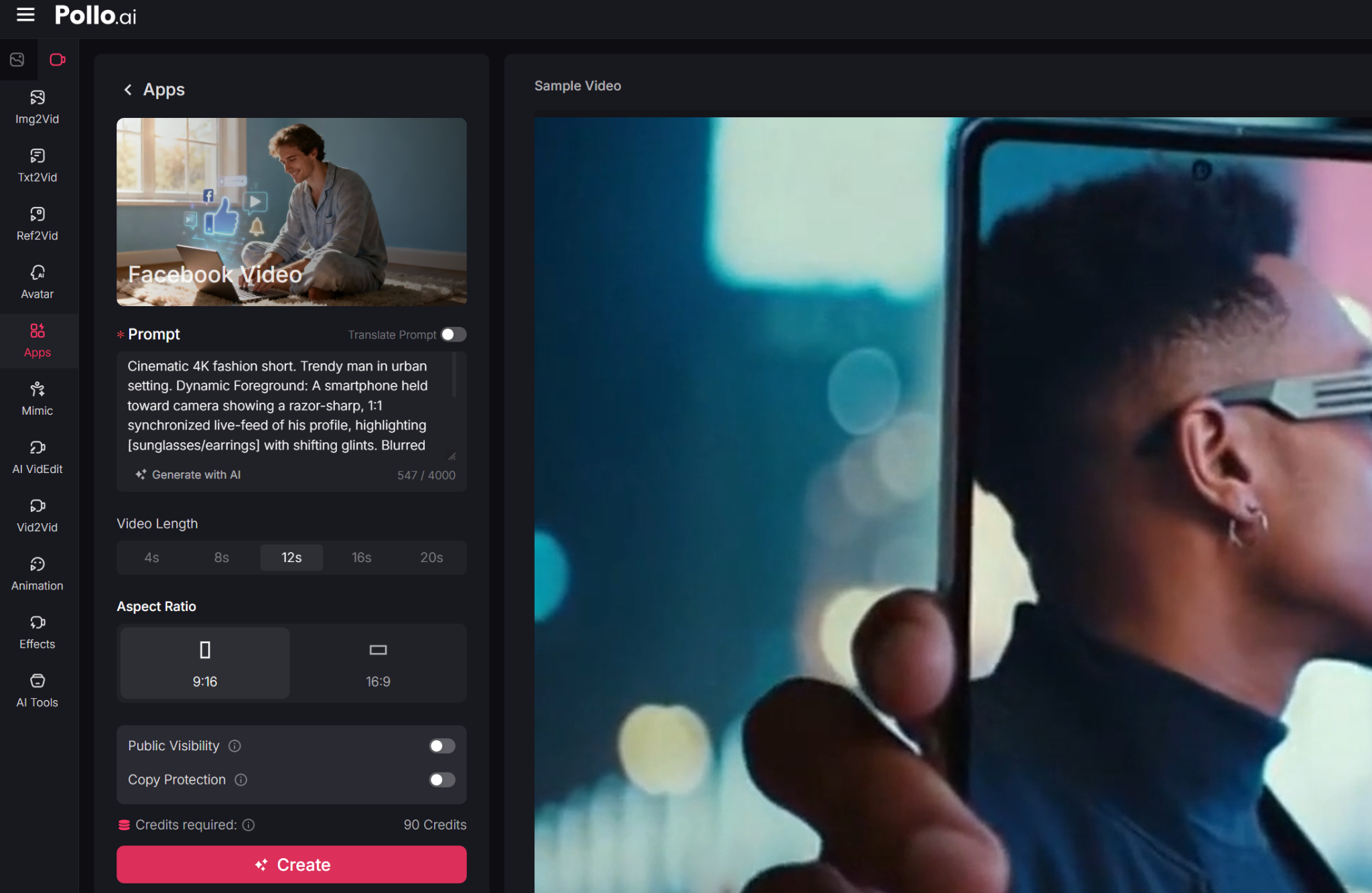
Pollo AI leads the image to video AI space, offering creators over 100 AI-powered video apps. It can produce everything from faceless videos and YouTube intro/outro clips to first-person POV sequences and daily vlogs. With minimal effort, users can animate still images, apply lighting effects, and create stylistic motion, making it ideal for social media creators, marketers, and storytellers.
The platform’s versatility extends to more playful or experimental content, such as dancing girl videos, celebrity impersonations, and ASMR-style videos like glass fruit cutting. Pollo AI’s intuitive interface requires no prior filming or editing experience, making it accessible for beginners while offering advanced controls for professional workflows. Its combination of multiple AI features in a single platform ensures creators can produce diverse content efficiently and effectively.
Why Recommend: Pollo AI is recommended because it combines extensive functionality with ease-of-use. Its range of video templates and automation tools allows creators to quickly generate professional-looking content across multiple formats, making it a go-to solution for both beginners and advanced users who want a reliable Facebook video maker.
2. Pika AI – Best for Stylized and Story-Driven Animations
Pika AI excels as an image to video AI solution for creators looking to produce visually creative and narrative-driven content. It is particularly well-suited for mystery storytelling videos, cinematic sequences, and fun animated clips. Users can transform simple illustrations or still images into engaging, motion-rich sequences for social media, short films, or online campaigns.
The platform’s AI tools include motion exaggeration, style filters, and automated scene transitions. Pika AI also supports concept-based animations, such as instrument-playing videos or dancing sequences, enabling creators to craft cinematic or visually whimsical experiences. By automating complex animation steps, Pika AI empowers users to focus on storytelling and creative direction, making it a top choice for digital artists and marketing teams.
Why Recommend: Pika AI is recommended for creators who value style and storytelling. Its animation-focused AI enables visually compelling narratives with minimal manual work, making it ideal for artistic or marketing projects where engagement and aesthetics matter.
3. Luma AI – Best for Photorealistic and 3D-Aware Videos
Luma AI specializes in photorealistic video generation, offering high-fidelity 3D-aware outputs and advanced motion control. It is ideal for YouTube outro videos, first-person POV content, and daily vlogs that require realistic animation of people, objects, or scenes. Luma AI ensures smooth transitions and lighting consistency, making videos appear highly professional and immersive.
Additionally, Luma AI’s 3D capabilities allow creators to produce cinematic visuals, including interactive story clips or lifestyle content. Its AI technology analyzes depth, perspective, and motion to generate realistic results, providing creators with versatile tools for both marketing projects and social storytelling. The platform’s emphasis on realism bridges the gap between static photography and dynamic video output.
Why Recommend: Luma AI is recommended for anyone who prioritizes realism and detail. Its 3D-aware rendering and motion control ensure videos look professional and polished, making it especially useful for creators needing photorealistic results.
4. Seedance 2.0 – Best for Music, Dance, and Performance Clips
Seedance 2.0 is designed for creators focusing on music and performance-driven video content. It is ideal for dancing girl videos, instrument-playing sequences, and social media clips where rhythm and timing are critical. Its AI engine converts images into animated scenes that sync with music or movement, creating dynamic, entertaining content for Instagram reels, TikTok, or YouTube shorts.
The platform supports automated choreography, motion exaggeration, and lighting enhancements that accentuate performance. Seedance 2.0 is particularly effective for influencers, dance enthusiasts, and music creators who want to produce professional-looking videos without the need for extensive filming or editing expertise. The combination of AI precision and creative freedom makes Seedance 2.0 an excellent tool for performance-based visual storytelling.
Why Recommend: Seedance 2.0 is recommended because it simplifies creating music and dance videos. Its ability to sync movement with music and automate choreography makes it a valuable tool for performers and social media creators seeking engaging, rhythm-driven content.
5. Kling 3.0 – Best for Business, Social Clips, and Educational Content
Kling 3.0 focuses on producing polished videos for business presentations, educational tutorials, and social media marketing. It is suitable for LinkedIn to video or Twitter to video conversions, daily vlogs, and faceless explainer clips. The AI automates scene transitions, motion effects, and professional layouts, allowing teams to generate high-quality videos efficiently.
Its streamlined workflow makes it ideal for professionals, educators, and marketing teams aiming to repurpose existing content or convert static visuals into engaging video assets. Kling 3.0 emphasizes speed and ease-of-use while maintaining polished results, making it a practical choice for creators with tight deadlines who still want visually appealing outputs.
Why Recommend: Kling 3.0 is recommended for business and educational users who need fast, professional results. Its automated workflow and polished outputs help teams produce informative or marketing videos without requiring technical expertise.
Conclusion
The top 5 image to video AI tools of 2026 offer a diverse range of capabilities to suit any creator’s needs. From Pollo AI’s all-in-one versatility to Pika AI’s storytelling focus, Luma AI’s photorealism, Seedance 2.0’s performance animations, and Kling 3.0’s business-ready outputs, there is a platform for every scenario. By leveraging AI-driven motion, style, and automation, creators can transform static images into engaging videos, streamline workflows, and produce professional content with ease. Choosing the right tool depends on the desired use case, whether for social media, storytelling, music, or business content.