

A YouTube video does not need more numbers.
It needs movement.
There is a difference!
A video can show thousands of views and still feel strangely dead. No one explores the channel. No one watches the next upload. The traffic arrives, touches the counter, then disappears without leaving so much as a footprint.
That is not the kind of growth most creators are actually chasing.
You want views that help the video travel. Views that make the upload look active when new people discover it. Views that support a real promotional push and give your channel a better chance of attracting genuine visitors afterward.
Because traffic is bigger than one number.
A useful viewer may click through to your channel. They might open a playlist, watch a related video, read the description, visit your website, or come back later when another upload appears. That wider journey is where paid views can start feeling valuable.
I think that is the real goal here.
Not pretending a video went viral.
Giving a strong upload enough visible motion that more people feel comfortable checking it out.
Of course, no provider can guarantee that every purchased view will become a customer, subscriber, or loyal fan. Human behaviour does not arrive neatly packaged. Some people watch quietly. Some leave. Others become curious and explore more.
So the smartest approach is to buy views around a video that already has somewhere to send people.
A clear channel.
Connected uploads.
A useful link.
A reason to keep moving.
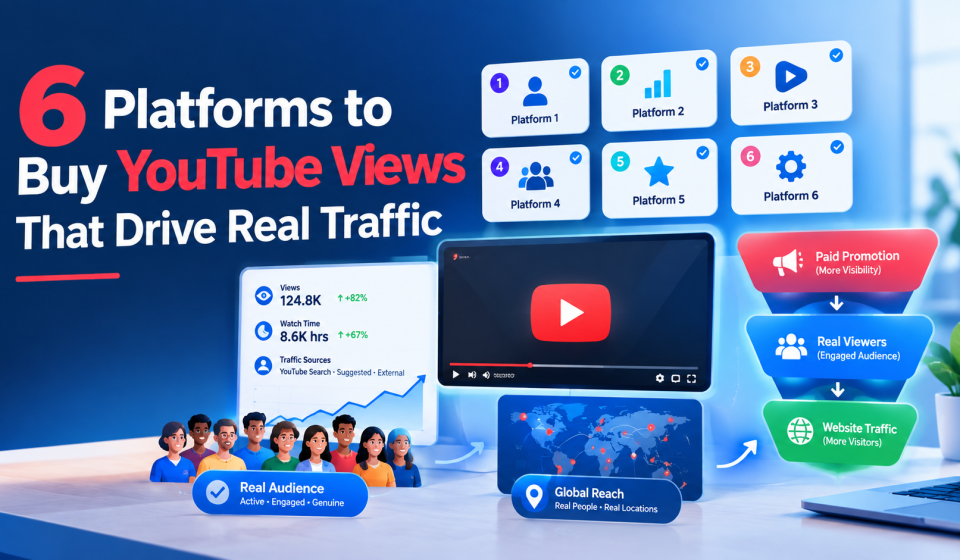
The six options below fit different traffic goals, from quick launches and evergreen discovery to channel browsing and off-platform clicks!
Jaynike
Jaynike feels suited to videos that are already useful but need a stronger starting point.
Think tutorials, reviews, comparisons, explainers, and practical guides. These uploads often attract people with a clear question in mind. They are not always looking for entertainment. They want help, an answer, or a decision.
That kind of traffic can be valuable.
A viewer may watch the video, open another guide, then return later when a related problem comes up. The first view becomes the beginning of a small relationship with the channel.
Jaynike makes the most sense when the promoted upload leads naturally into more content. A beginner tutorial can point toward an advanced one. A product review can connect with a comparison. A general guide can introduce a deeper series.
That path matters.
The paid views help the first video look more established when new people find it. The connected library gives those people somewhere to go next.
I think creators should choose the entry video carefully here!
Do not simply promote the newest upload because it is new. Pick the video that explains your channel well and gives viewers a clear next step. It may be an older upload that already holds attention better than the rest.
Jaynike can help bring more eyes toward your video!
The rest of the channel should make people want to walk through it!
YouTubeStorm
YouTubeStorm feels better suited to videos with a shorter attention window.
A release.
A launch.
A reaction.
A trending topic.
These uploads need movement while the subject still feels alive. If the video sits quietly for too long, the conversation may move on before it gets a fair chance.
This is where faster delivery can help.
A stronger early view count may make the upload feel more current when people see it beside competing videos. It creates a little social proof during the exact period when the topic has energy around it.
But YouTubeStorm works best when you are promoting the video elsewhere too.
Share clips.
Post updates.
Mention it to your audience.
Add it to a relevant playlist.
Give the views a real background.
I think the traffic feels more natural when several roads lead toward the same upload. The paid views become one part of the launch instead of the only sign of activity.
The channel should also be ready for visitors.
If people click through, they need to see related content. A strong recent upload. A clear niche. Something that makes the page feel alive beyond the one promoted video.
YouTubeStorm can help create the rush.
Your channel decides whether that rush turns into real traffic!
ViewTrail
ViewTrail would fit creators who want viewers to move from one video into a longer channel journey.
The idea is simple.
One upload should lead somewhere.
Maybe the viewer begins with a broad overview. Then they watch a deeper tutorial. After that, they open a case study or related playlist. The traffic grows because the channel has been designed like a path rather than a pile.
ViewTrail would support the first video in that path!
A stronger view count can make the entry upload feel more trusted, especially when someone finds it through search or recommendations. But the real value comes from what happens afterward.
I like this approach because it treats traffic as movement, not arrival.
The viewer does not simply land.
They continue.
To make that work, the creator needs clear end screens, useful playlists, plus natural references to other videos during the upload. Do not wait until the final two seconds to mention the next video while half the audience is already leaving.
Plant the next step earlier.
ViewTrail would help attract attention toward the starting point.
The channel structure would turn that attention into a longer visit!
ClickHarbor
ClickHarbor would suit videos created to support traffic outside YouTube!
Maybe you want viewers to visit a website, read a blog, join an email list, view a product page, or download a free resource. In that case, the video is not the final destination.
It is the bridge.
ClickHarbor would make sense for creators who already have a clear off-platform goal. The video should explain why the next step is worth taking instead of dropping a random link in the description and hoping curiosity does the rest.
That rarely works.
Give the link context.
Show what the viewer will find.
Mention who it is for.
Make the next step feel like a natural continuation of the video, not an unexpected sales trap waiting under the floorboards.
I think this kind of traffic works best when the video delivers value before asking for anything. Help people first. Give them a reason to trust the channel. Then introduce the website, guide, product, or service as the next useful step.
The paid views can help more people discover the upload.
The clarity of the offer decides whether those viewers click beyond it!
FlowReach
FlowReach would fit videos designed around ongoing discovery rather than one loud launch.
Evergreen topics live here.
How-to videos. Software guides. Study lessons. Repair tutorials. Career advice. Content people may search for weeks or months after publication.
These uploads can become reliable traffic sources when they answer a question properly.
FlowReach would support them with steadier view growth that matches their longer life. A visible base can make the video feel more established when someone sees it in search results later.
That matters because search viewers are usually comparing choices!
Several videos may answer the same question. A stronger count can make one upload feel like the safer click, but the content still has to prove that choice was right.
I think evergreen traffic depends heavily on clarity.
Use a direct title.
Show the answer early.
Keep the information current.
If the topic changes, update the description or create a newer version rather than letting the old video slowly become a beautifully edited fossil.
FlowReach would help the upload look active.
Its usefulness would keep real traffic arriving after the paid push ends!
AudienceLane
AudienceLane would suit creators promoting videos to a clearly defined type of viewer.
Not everyone.
The right people!
A fitness channel may want beginners. A finance channel may speak to freelancers. A gaming channel may focus on one specific title. The more clearly the video knows who it is for, the easier it becomes to turn views into meaningful traffic.
AudienceLane would support that targeted approach.
The creator should shape the title, thumbnail, and opening around one audience need. When people recognise themselves in the topic, they are more likely to watch longer and explore the channel afterward.
I think broad videos often struggle because they try to speak to everyone at once.
The message becomes soft.
The promise becomes vague.
The traffic arrives without knowing where it belongs.
AudienceLane would work best when the creator has chosen a clear viewer and built the video around them. The paid views add initial movement, while the sharper message helps attract more of the right organic audience later.
The count creates visibility.
The focus creates relevance!
Why Real Traffic Needs Somewhere Useful to Go
Views become more valuable when the next step is obvious.
That step may be another video.
A playlist.
A channel page.
A website.
A resource.
Whatever it is, the journey should feel easy.
Do not make viewers search for the link you mentioned. Do not send them toward an unrelated upload. Do not end the video with six different calls to action fighting for attention like pigeons around one chip.
Choose one main direction!
I think this is where creators lose a lot of potential traffic. They focus so heavily on bringing people in that they forget to guide them after arrival.
A strong view count may create curiosity.
A clear path turns curiosity into action.
Use end screens carefully. Mention the related video before the ending. Keep important links near the top of the description. If the goal is website traffic, explain exactly why the viewer should click.
Paid views can help fill the entrance.
Good channel design helps people keep moving!
Conclusion
Buying YouTube views can help a strong video gain enough visible activity to attract more attention.
But traffic is not created by the view count alone!
It comes from the journey around it.
Jaynike can suit useful videos with long-term discovery potential, while YouTubeStorm fits faster launches and timely content. The placeholder concepts above represent channel journeys, website clicks, evergreen traffic, and more focused audience targeting.
Different goals need different kinds of views.
The same foundation still matters.
Choose the right video. Keep the increase believable. Promote it through genuine channels at the same time. Give visitors a clear next step after they arrive.
I think that is the difference between buying views and building traffic.
One moves a number.
The other moves people!
What was Used for Research?
https://www.socialwick.com/youtube/views
https://socialgreg.com/youtube/views
https://youtubestorm.com/buy-youtube-views