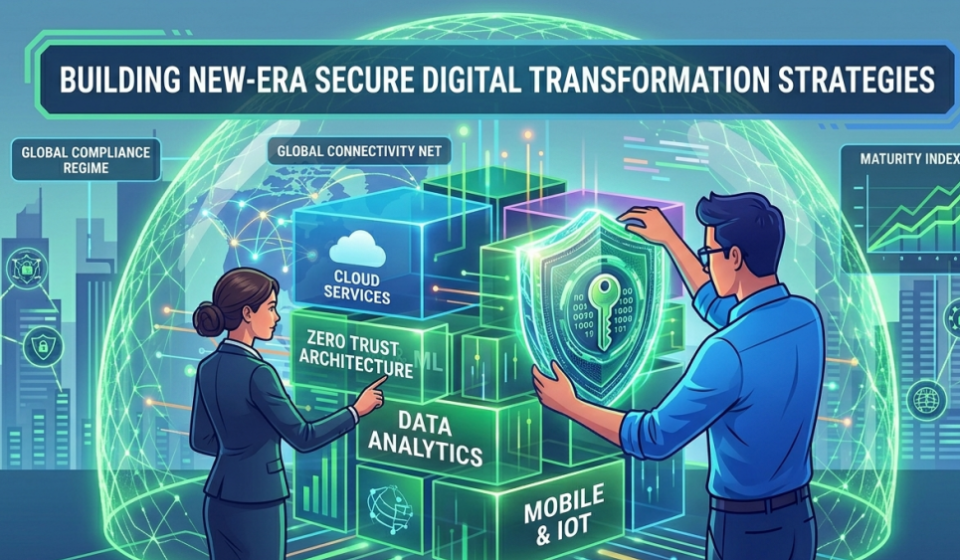

Introduction to Secure Digital Transformation
Digital transformation is changing how organizations operate, deliver services, and interact with customers. As businesses move processes online and adopt new technologies, security risks also grow. Building secure digital transformation strategies is vital to protecting data, maintaining trust, and ensuring business continuity.
The shift to digital platforms has brought benefits like efficiency, scalability, and improved customer experiences. However, these advancements also introduce new vulnerabilities. Cybercriminals seek to exploit security gaps, and evolving regulations require businesses to be more vigilant. To succeed in this changing environment, organizations must balance innovation with a strong security focus.
Table Of Content
- Introduction to Secure Digital Transformation
- The Importance of Security in Digital Transformation
- Identifying Risks in Digital Transformation
- Creating a Security-First Culture
- Integrating Security Throughout the Transformation Process
- Using Technology to Support Secure Transformation
- Ensuring Compliance with Regulations
- Managing Third-Party Risks
- Monitoring and Responding to Security Incidents
- Measuring Success and Making Improvements
- Case Studies: Secure Digital Transformation in Action
- Conclusion
- FAQ
- Why is security important in digital transformation?
- What are common risks in digital transformation?
- How can organizations train employees for better security?
- What role does compliance play in digital transformation?
- How should organizations handle third-party risks?
The Importance of Security in Digital Transformation
Security is not just a technical concern; it is a business priority. Without proper security, digital transformation efforts can expose organizations to data breaches, regulatory penalties, and reputational damage. Understanding what is cloud security for digitization is essential because cloud platforms are often at the core of these initiatives. Cloud security involves safeguarding data, applications, and infrastructure in the cloud.
Cloud adoption offers flexibility and cost savings, but it also requires new security approaches. Traditional network perimeters no longer apply in the same way, so organizations must rethink how they protect their assets. According to the U.S. Department of Homeland Security, cloud environments require a shared responsibility model between providers and customers.
Identifying Risks in Digital Transformation
Before adopting new digital tools, organizations should assess potential risks. Data privacy, compliance, and cyber threats must be carefully considered. A clear risk assessment helps identify which assets need the most protection. The National Institute of Standards and Technology (NIST) provides guidance on risk management for digital projects. For more information, visit the official NIST cybersecurity framework.
Risk identification should cover both internal and external threats. Internal threats might include employee mistakes or system misconfigurations, while external threats could be hackers or supply chain vulnerabilities. A thorough risk assessment makes it easier to prioritize resources and focus on the most critical issues.
Creating a Security-First Culture
A secure digital transformation starts with people. Training employees to recognize phishing, weak passwords, and suspicious activity is critical. Regular security awareness programs help build a culture of vigilance. According to the CISA, ongoing education reduces the risk of human error.
A security-first culture means everyone in the organization understands their role in protecting data and systems. Leaders should set clear expectations and encourage employees to report suspicious activity. Security should be part of daily routines, not just an occasional training topic.
Integrating Security Throughout the Transformation Process
Security should be included from the start of any digital transformation project. This means involving security teams in planning, design, and implementation. Adopting a ‘security by design’ approach ensures that new systems are built with protection in mind. This reduces the chance of costly fixes or breaches after deployment.
Integrating security early allows organizations to identify potential issues before they become major problems. It also fosters collaboration between IT, security, and business teams. By making security a shared responsibility, organizations create stronger defenses and more resilient digital solutions.
Using Technology to Support Secure Transformation
Modern security tools help organizations detect and respond to threats quickly. Solutions like multi-factor authentication, encryption, and endpoint protection are vital. It is also important to keep software updated to prevent attackers from exploiting known vulnerabilities. The Center for Internet Security provides benchmarks and best practices for securing systems.
Automation can also play a role in securing digital transformation. Automated monitoring tools can spot unusual activity and alert security teams in real time. Artificial intelligence and machine learning are increasingly used to detect complex threats and reduce the workload on human analysts.
Ensuring Compliance with Regulations
Many industries face strict rules about how data must be handled and protected. Compliance with laws such as GDPR, HIPAA, or CCPA is essential. Organizations should monitor changes in regulations and update their security policies as needed. Regular audits and assessments help maintain compliance and identify areas for improvement.
Failing to comply with regulations can lead to heavy fines, legal action, and loss of customer trust. Staying up to date with legal requirements is an ongoing process. Organizations should work with legal and compliance experts to ensure their digital transformation aligns with all relevant standards.
Managing Third-Party Risks
Digital transformation often involves working with vendors and third-party providers. These relationships can introduce new security risks. Organizations should vet partners carefully, set clear security expectations, and monitor their activities. Contractual agreements should include requirements for data protection and incident response.
Third-party risk management also includes monitoring the security practices of suppliers and service providers. Regular reviews and assessments help ensure that partners are meeting agreed-upon standards. According to the Federal Trade Commission, businesses should have a plan for managing risks from vendors.
Monitoring and Responding to Security Incidents
Continuous monitoring helps organizations detect security threats early. Automated tools can alert teams to unusual activity or potential breaches. A well-defined incident response plan ensures that, if an attack occurs, the organization can respond quickly and minimize damage. Regular drills and reviews keep the response plan effective.
Incident response should include clear roles and responsibilities, communication plans, and steps for recovery. After an incident, organizations should conduct a thorough review to understand what happened and how to prevent similar events in the future. Sharing lessons learned with all stakeholders improves overall resilience.
Measuring Success and Making Improvements
Building secure digital transformation strategies is an ongoing process. Organizations should track key metrics such as incident response times, number of vulnerabilities discovered, and compliance status. Regular reviews help identify gaps and areas for improvement. Adjusting strategies based on lessons learned ensures long-term success.
Measuring success also means seeking feedback from employees and customers. Their experiences can highlight areas where security processes may need improvement. By staying proactive and open to change, organizations can keep pace with evolving threats and technologies.
Case Studies: Secure Digital Transformation in Action
Many organizations have successfully navigated secure digital transformation by prioritizing security at every step. For example, a healthcare provider moving to electronic health records implemented strict access controls and encryption. This protected patient data while allowing faster access for authorized staff.
In another case, a financial services company adopted cloud-based services but required all vendors to comply with the company’s security standards. Regular audits and real-time monitoring helped detect threats early, avoiding breaches and maintaining customer trust.
These examples show that secure digital transformation is possible with careful planning, the right technology, and a commitment to ongoing improvement.
Conclusion
Secure digital transformation is a journey that requires strong planning, ongoing vigilance, and a commitment to continuous improvement. By making security a core part of every digital initiative, organizations can protect their assets, maintain trust, and achieve their business goals in a changing world.
FAQ
Why is security important in digital transformation?
Security protects sensitive data, maintains customer trust, and helps organizations comply with regulations during digital transformation.
What are common risks in digital transformation?
Common risks include data breaches, compliance violations, and cyberattacks targeting new digital systems or cloud environments.
How can organizations train employees for better security?
Regular security awareness training and clear policies help employees recognize threats like phishing and use strong passwords.
What role does compliance play in digital transformation?
Compliance ensures that organizations meet legal and industry standards for data protection, reducing the risk of penalties and breaches.
How should organizations handle third-party risks?
Organizations should carefully vet third-party vendors, set clear security requirements, and monitor their compliance with security standards.