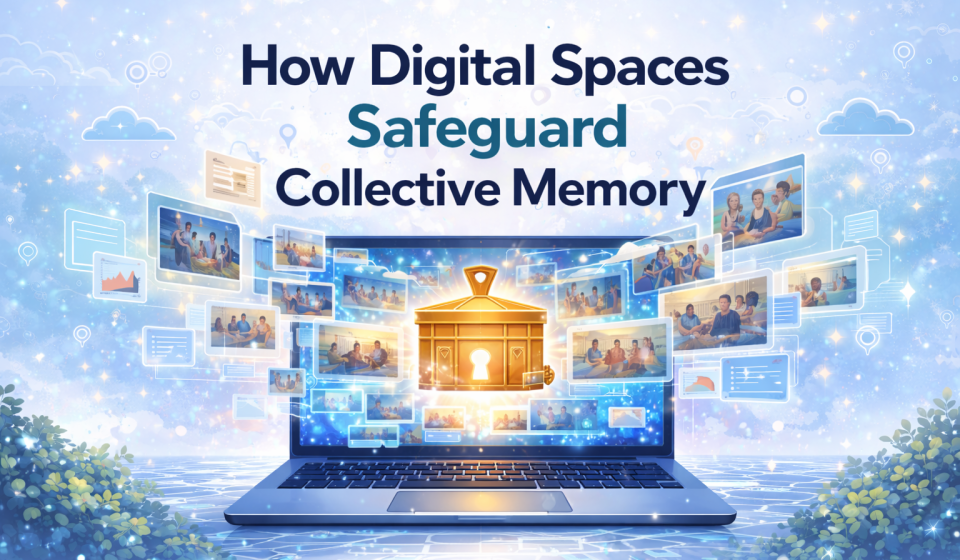

Shared history is built from moments people experience together, classrooms filled with familiar faces, community events, inside jokes, and milestones that shape identity. As time passes, those memories can fade or fragment, especially when people move away or lose touch. Online spaces have emerged as powerful tools for preserving these collective stories, giving individuals a place to reconnect with the past while keeping it accessible for the future.
Table Of Content
- From Personal Keepsakes to Shared Archives
- Reconnecting People Through Familiar Narratives
- Making History Accessible Across Generations
- Encouraging Participation and Storytelling
- Preserving Emotional Context, Not Just Facts
- Strengthening Community Identity in a Digital Age
- Looking Ahead While Honoring the Past
From Personal Keepsakes to Shared Archives
In earlier generations, preserving history often meant photo albums, handwritten letters, or oral storytelling. While these methods remain meaningful, they are limited by physical space and individual ownership. Digital platforms shift memory-keeping from the private to the communal. Photos can be uploaded, names tagged, dates clarified, and stories expanded by multiple contributors. This shared approach allows memories to become richer and more accurate over time, reflecting different perspectives of the same events.
Reconnecting People Through Familiar Narratives
One of the most valuable roles online spaces play is helping people find one another again. Former classmates, colleagues, or neighbors can reconnect through shared timelines and familiar references. Revisiting old yearbook photos or reading posts about long-forgotten events often sparks recognition and conversation. Planning a school reunion becomes easier when memories are already gathered in one place, serving as a foundation for renewed relationships rather than starting from scratch.
Making History Accessible Across Generations
Digital spaces also make shared history easier to pass down. Stories that once existed only in memory can now be documented and revisited by younger generations. A single post about a school play, sports victory, or local tradition can help explain how a community evolved. This accessibility ensures that history is not locked away or lost when individuals move on, but remains available to anyone curious enough to look.
Encouraging Participation and Storytelling
Unlike traditional archives, online platforms invite active participation. People are encouraged to comment, correct details, and add their own recollections. This collaborative storytelling turns history into a living record rather than a static one. The act of contributing also strengthens a sense of belonging, reminding people that their experiences matter and are part of a larger narrative.
Preserving Emotional Context, Not Just Facts
Facts alone rarely capture the full meaning of shared experiences. Online spaces allow emotions, humor, and personal reflections to sit alongside dates and names. A short caption or comment can convey the feeling of a moment in ways a formal record cannot. Over time, these emotional layers help future readers understand not just what happened, but why it mattered to those involved.
Strengthening Community Identity in a Digital Age
As communities become more dispersed, maintaining a shared identity can be challenging. Online spaces act as meeting points where people can reconnect around common roots. They provide continuity, especially during periods of change, by reminding individuals of where they came from and who they shared that journey with. This sense of continuity often inspires renewed engagement, whether through conversations, events, or collaborative projects.
Looking Ahead While Honoring the Past
The role of online spaces in preserving shared history continues to grow as technology evolves. While platforms may change, the human desire to remember and connect remains constant. By gathering stories, images, and voices in one place, digital environments help ensure that shared histories are not forgotten, but carried forward, ready to inform, inspire, and reconnect people long into the future.