

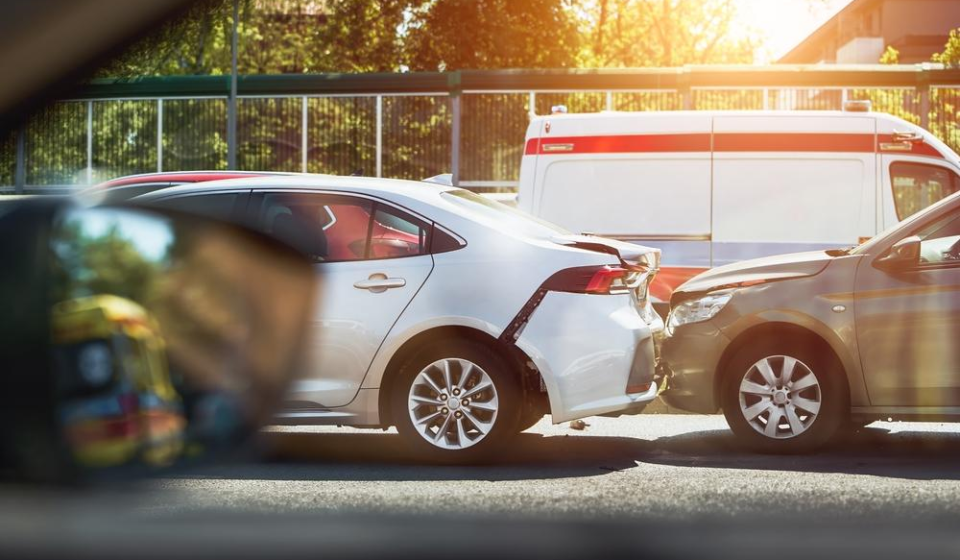

A rear-end crash may look simple from the outside, but the claim that follows can become a careful review of facts, records, and insurance coverage. In Monroe, LA, road conditions, traffic patterns, driver actions, and available evidence can all affect how a collision is viewed. The basic rule that the rear driver caused the crash does not always settle every issue.
Table Of Content
Fault may be disputed, injuries may be questioned, and insurance coverage may create another layer of trouble. For people dealing with these claims, knowing what can complicate the process gives the situation some much-needed clarity before proper resolution begins.
Fault May Not Be as Simple as It Seems
A vehicle striking another from behind often makes fault seem obvious. Yet the road situation may tell a different story. A front driver could have made a sudden stop, changed lanes without enough space, or stopped in an unsafe area. For a person dealing with these questions, speaking with a rear-end collision attorney in Monroe, LA, may help bring attention to the facts that could affect the claim.
Traffic conditions can add more questions. Heavy traffic, poor visibility, road work, or a confusing intersection may make it harder to determine what each driver did before the crash. Driver statements may also conflict, especially if each person remembers the events differently.
Louisiana follows comparative fault rules, so a claim can involve more than one party’s actions. A disagreement about each driver’s role may affect the amount of compensation that may be available.
The Crash Scene May Not Tell the Whole Story
Evidence often carries more weight than assumptions. A damaged bumper can show that a collision occurred, but it may not answer every question about speed, position, timing, or driver behavior. Photos can show vehicle damage and conditions around the crash. Records from the scene may also provide details.
Other useful records may include:
- Dashcam or traffic camera footage
- Statements from people who saw the crash
- Vehicle repair estimates and damage records
- Photos of traffic signs and nearby road conditions
Evidence can become harder to find as time passes. Cameras may overwrite recordings, witnesses may forget details, and vehicles may be repaired before their condition is documented. A claim can become harder to establish if information is missing or records tell different stories.
Injuries Can Be Difficult to Connect to the Collision
Rear-end crashes can cause injuries that are not obvious from the outside. Some symptoms may appear later, which can lead an insurer to question whether the collision caused them. An earlier medical condition may also become part of the claim discussion.
Medical records can show what was reported, what treatment was provided, and how symptoms developed after the crash. Keeping appointments and records can create a clearer timeline. Vehicle damage does not always show how serious injuries may be, so medical information can matter during a claim review.
Insurance Issues Can Slow Down the Claim
Insurance can add another layer to a rear-end collision claim. The at-fault driver’s policy may have limits that do not cover every claimed loss. A driver may also have little or no insurance, which can raise questions about other available coverage.
Disputes can develop over responsibility, damage, or whether an injury is related to the crash. More than one insurance company may become involved if different types of coverage apply. Each insurer may conduct its own review.
Lost Income and Other Damages May Be Challenged
Medical bills are only one part of a collision claim. A person may also face lost wages, vehicle repair costs, transportation expenses, or reduced ability to earn income. Each claimed loss usually needs records supporting the amount requested.
Pay statements, repair bills, receipts, and employer records can help create a record of financial losses. Missing paperwork can make it harder to show the full effect of the collision.
Building a Clear Claim From the Start
A well-documented claim starts with basic facts. Keep copies of the crash report, photographs, medical records, insurance information, repair documents, and records of missed work. Avoid changing or discarding damaged vehicle parts before their condition has been documented.
The goal is not to make the claim sound bigger than it is. Clear records can reduce confusion and give insurers a better basis for reviewing what happened.
Conclusion
Rear-end collision claims in Monroe, LA, can become complicated because fault, evidence, injuries, insurance coverage, and financial losses may raise separate questions. What looks like a straightforward crash may require several records to show the full picture. A rear-end collision attorney in Monroe, LA, can review available information and assess the issues involved. Careful documentation from the start can also help keep the claim grounded in facts.