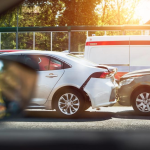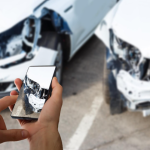

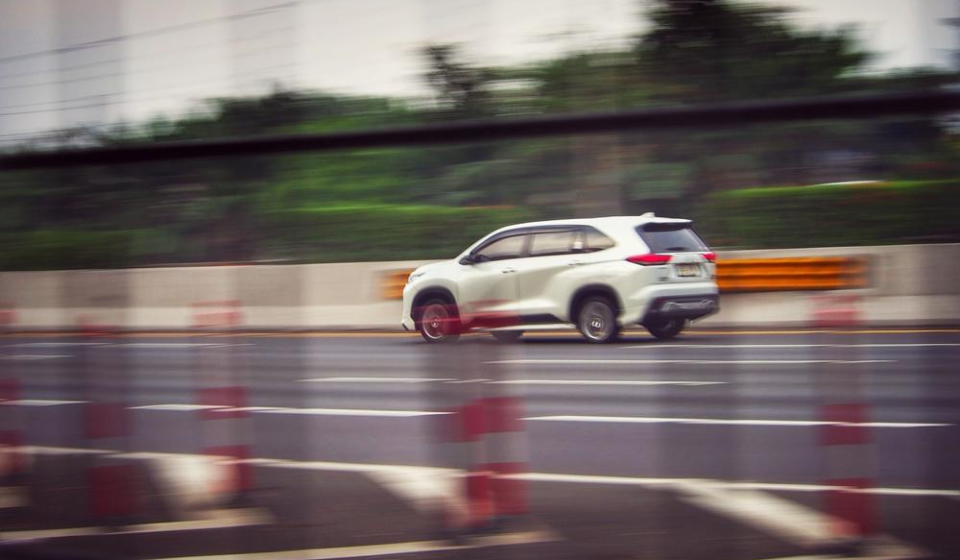

A speeding ticket may look like a traffic issue, but after a crash, speed can become part of a financial question. The speedometer reading can affect how fault is viewed, how injuries are examined, and how an insurance company values a claim. A driver who was speeding may not automatically be responsible for every part of a crash, just as the other driver’s speed may become important to the claim.
Table Of Content
- Speeding Can Lead to a Reduction in the Claim’s Value
- The Severity of the Crash Can Influence What the Claim Is Worth
- Evidence of Speeding Can Strengthen or Weaken a Claim
- The Other Driver’s Speeding May Increase the Value of Your Claim
- What Insurers May Consider Before Valuing the Claim
- Final Thoughts
For people dealing with speeding accident injury claims, the details behind the speed matter more than the label. Here is how those details can shape the value of a claim.
Speeding Can Lead to a Reduction in the Claim’s Value
An injured person may have a strong claim, but their own actions can become part of the review. If that person was speeding, an insurer may ask whether the speed helped cause the crash or made the injuries worse.
State laws handle shared fault in different ways, so the financial effect varies. A person who is found partly responsible may receive less compensation. For example, a $100,000 claim could be reduced if the injured person is assigned a percentage of fault. The evidence must connect that speed to the accident.
The Severity of the Crash Can Influence What the Claim Is Worth
Speed can also matter because it may change the force of a collision. A higher speed can lead to a harder impact, greater vehicle damage, and more serious injuries. Those injuries may require more treatment, time away from work, or long term care, which can affect the losses included in a claim.
Still, speed does not tell the whole story. The type of vehicles involved, where they struck each other, road conditions, seat belt use, and other facts can all affect the result. A claim should therefore be valued from the set of facts rather than one number from a speed estimate.
Evidence of Speeding Can Strengthen or Weaken a Claim
Speed is often disputed after a crash because memories may differ. Reliable evidence can give the investigation a clearer direction. Depending on the accident, useful records may include:
- Traffic or security camera footage
- Police crash reports
- Vehicle damage and tire marks
- Event data recorder information
- Witness statements
- Accident reconstruction findings
Each source can answer a different part of the question. Camera footage may show traffic movement, while vehicle damage may provide clues about the force of impact. An event data recorder may contain information about vehicle activity before a collision. None of these sources should be viewed alone. Their value depends on what they show and how they fit with the rest of the evidence.
The Other Driver’s Speeding May Increase the Value of Your Claim
Speeding by the other driver can have a different effect. If that speed contributed to the crash, it may become part of the evidence used to establish responsibility. A driver who travels too fast may have less time to react to traffic, stop for a hazard, or control the vehicle.
The financial value of a claim is tied to the losses caused by the accident. Depending on the facts, those losses may include medical expenses, lost income, property damage, and other damages that the applicable law allows. Evidence showing that another driver’s speed contributed to those losses can therefore matter.
What Insurers May Consider Before Valuing the Claim
An insurance company may look beyond a statement that someone was speeding. The review can include several connected questions:
- Who was speeding?
- How fast was the vehicle traveling?
- Did that speed contribute to the collision?
- Did it affect the severity of the injuries?
- What evidence supports the estimated speed?
- Did another factor also contribute to the crash?
These details can affect both the amount offered and any fault assigned to the people involved. A speed estimate without supporting evidence may carry less weight than several records that support the same conclusion.
Final Thoughts
Speed can raise or reduce the value of an accident injury claim, but it does not decide the outcome by itself. The role of speed depends on who was driving, what happened before the collision, how the crash occurred, and what the evidence shows afterward.
For anyone handling speeding accident injury claims, that full picture matters. A careful review can separate a speeding allegation from the facts that actually connect speed to fault, injuries, and financial losses. That distinction can make the value of a claim easier to assess without treating one traffic violation as the answer to every question.